
Your Request is under process, Please wait.

Music has constantly been a universal cultural language, but access to good-quality scores is often limited or restricted. This is the moment when public domain music takes a huge part. With the availability of great masterpieces from the past for free, open domain music lets artists, teachers, and learners discover, teach, and perform loved pieces without any legal obstacles.
Music has constantly been a universal cultural language, but access to good-quality scores is often limited or restricted. This is the moment when public domain music takes a huge part. With the availability of great masterpieces from the past for free, open domain music lets artists, teachers, and learners discover, teach, and perform loved pieces without any legal obstacles.
Sheet Music International has gathered public domain collections to help every type of musician, from the novice looking for simpler versions to the pro digging into the orchestral masterpieces.
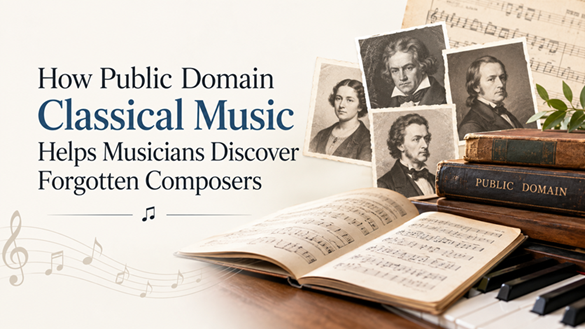
Public domain music is a term that refers to those musical compositions whose copyrights have expired, thereby publicly and legally classifying them. Generally, this would consist of the works of famous composers such as Bach, Mozart, and Beethoven, along with some of the early 20th-century composers.
These compositions, being in the public domain, can be used in any way, no matter what, i.e., copying, performing, adapting, or distributing, which makes them very attractive for educational and performing purposes.
Public domain music is a great resource for students and teachers, as it allows them to create their repertoires at no cost. It is a source of inspiration for the performers, as they can freely and imaginatively choose how to arrange and interpret the works. Furthermore, for institutions and ensembles, it is the complete removal of the licensing issue.
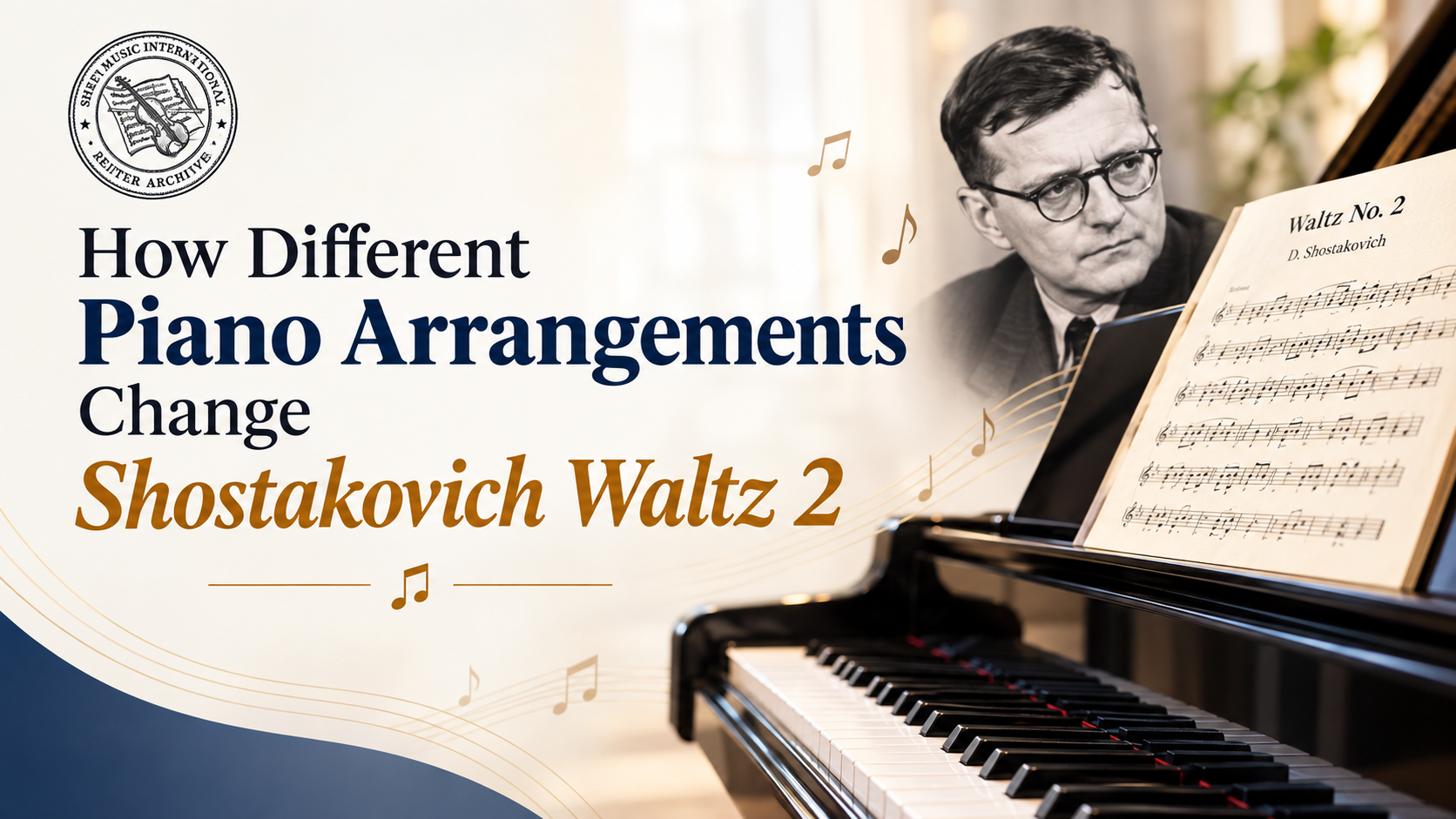
Public domain music is often mistakenly perceived as having no connection to the modern world. Nevertheless, the majority of the classical compositions that are most often listened to today are still in the public domain. A very popular instance is Shostakovich Waltz 2, a piece that has been used a lot in movies, played at concerts, and used during music classes.
The piece's never-ending popularity is evidence that works in the public domain still have musical and emotional appeal to different generations. Musicians' access to trusted versions of these works allows them to study and present the pieces with the utmost certainty, thereby maintaining the artistic message and historical credibility.
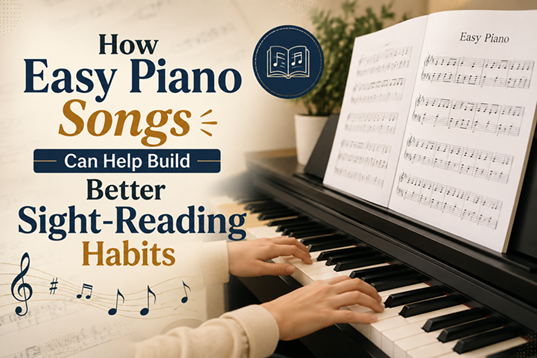
It is very important for new players to be brought together with music that will inspire them and, at the same time, be technically suited for their level. That's exactly the case with classical piano sheet music easy arrangements. With beginner-friendly versions of public domain works, novices can meet classical music during the first phase of their learning process without coming across too much annoyance.
At Sheet Music International, easy classical piano selections are painstakingly organized to keep the musical integrity intact while at the same time helping the players to develop their skills. Thus, these arrangements are perfectly suited for self-taught students, music schools, and private instructors.
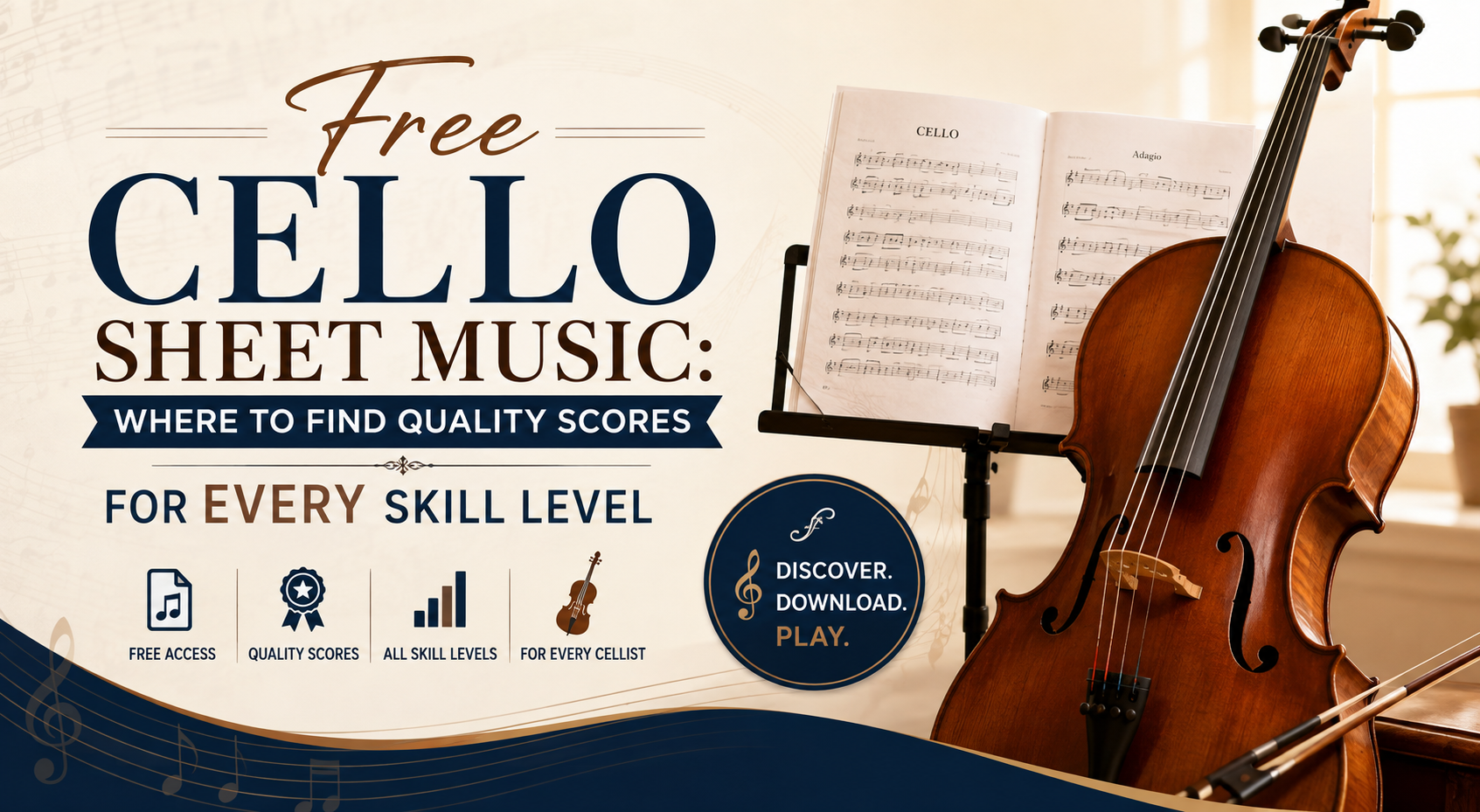
String players, especially cellists, get a lot of help from the public domain resources. Cellists have the opportunity to study, play, and perform solo works, duets, and even entire orchestras without paying for licensing every time the music is played through the high-quality sheet music cello collections.
Cellists can find technical challenges from the Baroque period to the Romantic period with public domain cello music. These masterworks are so good that they have been used in tests, auditions, and concerts, which necessitates the availability of trustworthy sheet music as a vital resource.
Public domain music is the main source for music educators, and they do it heavily. Schools and conservatories can easily share the scores, provide annotations, and modify the plans depending on the needs of the ensembles. Such flexibility is a great help for creative teaching methods and also ensures that copyright standards are observed.
Orchestras, choirs, and community ensembles are also gaining the benefit of performing the works that have been widely recognized without needing any more permissions in the case of public domain music, thereby operating with less administrative overhead while still having a greater variety of programming options.
While public domain music is freely available in theory, quality and accuracy vary widely across sources. Sheet Music International bridges this gap by offering well-organized, clearly formatted editions that musicians can trust. The focus is not only on access but also on usability, clean notation, logical layouts, and musician-friendly presentation.
Whether you’re searching for iconic works like Shostakovich Waltz 2, beginner-friendly classical piano sheet music easy, or reliable sheet music cello selections, the platform brings together a diverse catalog designed to meet real-world musical needs.
Public domain music continues to shape how music is taught, learned, and performed worldwide. Its accessibility empowers musicians to engage deeply with classical traditions while fostering creativity and growth.
With thoughtfully curated collections and a commitment to quality, Sheet Music International helps musicians unlock the full potential of public domain music, transforming historic compositions into living, evolving experiences for today’s performers and educators.
.png)
Sep 13, 2026
Follow us : 


Sheet Music International - Copyright 2026 all rights reserved
| English: Sheet Music (PDF) | Free Scores | French: Sheet Music (PDF) | Free Scores | Greek: Sheet Music (PDF) | Free Scores |
| German: Sheet Music (PDF) | Free Scores | Spanish: Sheet Music (PDF) | Free Scores | Portuguese: Sheet Music (PDF) | Free Scores |
| Italian: Sheet Music (PDF) | Free Scores | Russian: Sheet Music (PDF) | Free Scores | Norwegian: Sheet Music (PDF) | Free Scores |
| Ukrainian: Sheet Music (PDF) | Free Scores | Polish: Sheet Music (PDF) | Free Scores | Dutch: Sheet Music (PDF) | Free Scores |

