
Your Request is under process, Please wait.


Have you ever listened to a masterpiece late at night and felt that it was speaking to you? This is the power of Moonlight Sonata. There’s something deeply personal in its opening. Each note feels like it is revealing a thought that was never meant to be said out loud. The music does not rush or demand attention; it allows emotions to surface naturally.
Have you ever listened to a masterpiece late at night and felt that it was speaking to you? This is the power of Moonlight Sonata. There’s something deeply personal in its opening. Each note feels like it is revealing a thought that was never meant to be said out loud. The music does not rush or demand attention; it allows emotions to surface naturally.
In that stillness, it begins to feel less like a composition and more like a private confession. This masterpiece has a way of meeting us in our most reflective moments, when the world is silent, and honesty feels safest. It’s in these delicate notes that Beethoven’s emotions echo through time, inviting each listener to confront their own hidden feelings. Listening to it can feel like holding a mirror to the heart, revealing truths we rarely speak aloud.
At Sheet Music International, we celebrate timeless pieces like the Moonlight Sonata. Find the sheet music for this masterpiece and bring Beethoven’s emotions to life at your piano.
There’s a stillness in Moonlight Sonata that feels almost alive. Each movement unfolds like a whispered story, delicate yet full of weight. It draws you in, not with drama, but with subtle honesty. You find yourself leaning closer, noticing the spaces between the notes as much as the notes themselves. It’s music that lingers in the mind long after it stops, stirring thoughts and emotions you didn’t realize were there. In these quiet hours, the sonata feels like a companion, gently guiding you through your own reflections.
Every chord seems to carry a question, and every pause feels like a breath held in trust. By the time the last note fades, you realize you have been part of something intimate, a musical conversation that exists just for you. Now, let us know why Moonlight Sonata feels like a Midnight Confession.
Have you ever felt that a piece of music seems to understand your quietest thoughts? Moonlight Sonata does exactly that. Its slow pace allows each note to linger, almost like time itself has paused. You can feel the space between the sounds, as if the music is giving you room to breathe.
In those moments, your mind drifts, and your emotions surface naturally. The tempo invites introspection, making every listening session feel deeply personal. It’s as if Beethoven is sitting beside you, sharing a secret through the rhythm of the keys. Moonlight Sonata doesn’t rush; it whispers, it waits, it reflects.
The piano notes in Moonlight Sonata dance in subtle shades of volume, creating a sense of intimacy that feels almost personal. Gentle touches on the keys feel like a whispered secret from Beethoven himself. Each rise and fall carries emotion without demanding it, allowing you to respond in your own way.
In these delicate shifts, the first movement of this masterpiece feels alive and vulnerable, capturing the fragility of human feeling. You notice every soft tremor and tender fade, as the piano tells a story words cannot capture.
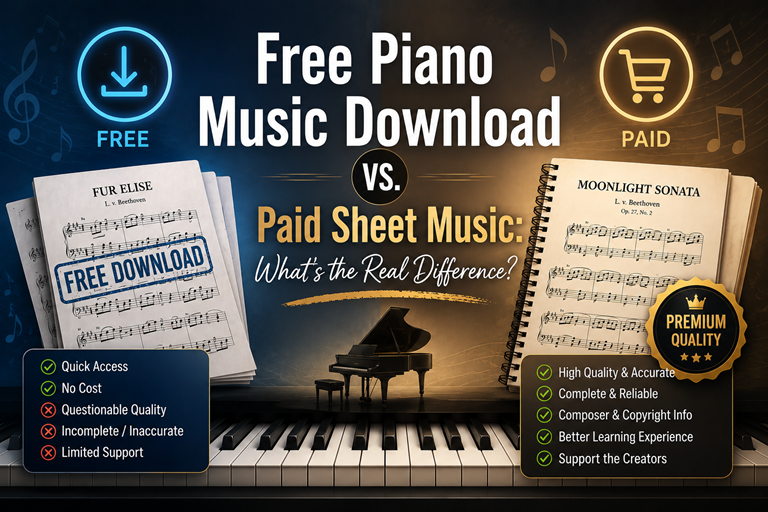
Why does music in a minor key feel so personal, like a hidden confession? Even pieces like the Fur Elise sheet music carry a gentle sadness, but the Moonlight Sonata goes deeper. Its harmonies evoke quiet longing, uncertainty, and introspection. Each chord feels like a question asked in the dark, inviting you to reflect on your own emotions.
The minor key creates a sense of vulnerability that resonates long after the music stops, making every note feel profoundly human. It’s as if Beethoven is speaking directly to the soul, revealing truths that words cannot touch. The haunting melodies linger, encouraging listeners to sit with their feelings and discover hidden corners of their hearts.
The phrasing of Moonlight Sonata breathes like spoken words, and the rests are as meaningful as the notes themselves—a lesson even found in the Cello Repertoire List. Pauses allow reflection, giving space for emotion to surface naturally. Each phrase rises and falls like a heartbeat, as if the music itself is listening alongside you. The expressive shifts make the sonata feel alive, a companion guiding you through your quiet thoughts with gentle understanding.
Have you noticed how Moonlight Sonata can feel like it’s playing just for you? Its sparse textures and delicate harmonies create a private space. The melody flows like a whispered confession, and the chords feel like soft affirmations. In this intimacy, emotions surface easily, and reflections feel safe.
The sonata becomes not just music, but a personal conversation, quietly guiding your heart through hidden thoughts and feelings. Each note seems carefully placed to reach your innermost self, as if the piano is listening alongside you. In the stillness between chords, you find room to breathe, to remember, and to feel fully present in the moment.
Moonlight Sonata is more than a piano piece; it is a quiet companion for reflection. Its slow tempo, delicate dynamics, and expressive phrasing create a space where emotions can surface naturally. Every note and pause feels intentional, as if Beethoven is speaking directly to the soul.
At Sheet Music International, you can find the sheet music for Moonlight Sonata and bring Beethoven’s profound emotions to life at your own piano. Start your journey with this timeless masterpiece today and experience its magic for yourself.
Sep 13, 2026

.png)
Aug 05, 2026

Follow us : 


Sheet Music International - Copyright 2026 all rights reserved
| English: Sheet Music (PDF) | Free Scores | French: Sheet Music (PDF) | Free Scores | Greek: Sheet Music (PDF) | Free Scores |
| German: Sheet Music (PDF) | Free Scores | Spanish: Sheet Music (PDF) | Free Scores | Portuguese: Sheet Music (PDF) | Free Scores |
| Italian: Sheet Music (PDF) | Free Scores | Russian: Sheet Music (PDF) | Free Scores | Norwegian: Sheet Music (PDF) | Free Scores |
| Ukrainian: Sheet Music (PDF) | Free Scores | Polish: Sheet Music (PDF) | Free Scores | Dutch: Sheet Music (PDF) | Free Scores |

