
Your Request is under process, Please wait.


Classical music has a unique way of connecting generations. Whether you are a beginner learning your first song or an experienced musician expanding your repertoire, having access to quality sheet music can transform your musical journey. Among the countless masterpieces available today, Fur Elise Sheet Music remains one of the most searched and played compositions worldwide.
Classical music has a unique way of connecting generations. Whether you are a beginner learning your first song or an experienced musician expanding your repertoire, having access to quality sheet music can transform your musical journey. Among the countless masterpieces available today, Fur Elise Sheet Music remains one of the most searched and played compositions worldwide.
As someone who has spent years working with musicians, music teachers, and sheet music enthusiasts, I have noticed that certain compositions consistently inspire learners. Pieces such as Shostakovich Waltz 2, Moonlight Sonata, Piano Notes collections, Classical Piano Sheet Music Easy arrangements, Schubert Unfinished Symphony Sheet Music, and Sheet Music Cello selections continue to attract musicians of all skill levels.
In this guide, we will explore these iconic works, understand their value, and discover how they can improve your musical skills while helping you build a rewarding classical repertoire.
Composed by Ludwig van Beethoven, Fur Elise is often considered the gateway into classical piano music. The opening melody is instantly recognizable, making it one of the most beloved piano pieces ever written.
One reason why Fur Elise Sheet Music remains popular is its balance between simplicity and musical expression. Beginners can learn the famous opening section relatively quickly, while advanced players can focus on dynamics, phrasing, and emotional interpretation.
From my experience working with piano students, Fur Elise is often the piece that motivates learners to continue practicing. The satisfaction of playing a melody recognized around the world creates confidence and encourages long-term musical development.
• Improves finger coordination.
• Develops musical expression.
• Introduces classical phrasing.
• Enhances rhythm control.
• Builds confidence for more advanced works.
Another masterpiece that deserves a place in every pianist's collection is Beethoven's Moonlight Sonata.
Unlike Fur Elise, Moonlight Sonata focuses heavily on mood and emotional depth. The first movement is known for its calm, flowing character, making it an excellent study piece for dynamics and control.
Many piano teachers recommend Moonlight Sonata after students become comfortable with intermediate-level compositions. It teaches patience, musical storytelling, and technical precision.
When comparing Fur Elise and Moonlight Sonata, I often tell students that Fur Elise teaches familiarity with classical themes, while Moonlight Sonata teaches emotional interpretation.
Shostakovich Waltz 2 has become increasingly popular among modern classical music enthusiasts.
Originally composed by Dmitri Shostakovich, this waltz combines elegance, drama, and cinematic beauty. Its memorable melody has appeared in films, concerts, and orchestral performances around the world.
Musicians often appreciate Shostakovich Waltz 2 because it introduces a different style compared to traditional Romantic-era compositions. The piece contains unique harmonic progressions and rhythmic patterns that challenge performers while remaining enjoyable to play.
For pianists, violinists, and orchestral musicians, adding Shostakovich Waltz 2 to their repertoire offers both technical and artistic growth.
Every successful pianist begins by understanding Piano Notes.
Learning piano notes is not simply about identifying keys on the keyboard. It involves understanding rhythm, pitch, intervals, scales, and musical structure.
Students who develop strong note-reading skills typically progress much faster than those who rely solely on memorization. In my own observations, musicians who dedicate even 15 minutes daily to sight-reading often show significant improvement within a few months.
1. Practice note recognition daily.
2. Use simple exercises before advanced compositions.
3. Learn scales and arpeggios consistently.
4. Read music from different composers.
5. Focus on accuracy before speed.
Strong piano note-reading skills make pieces like Fur Elise and Moonlight Sonata far easier to learn.
Many beginners become discouraged when they attempt advanced compositions too early. This is where Classical Piano Sheet Music Easy arrangements become incredibly valuable.
Easy arrangements allow students to enjoy famous classical works without being overwhelmed by technical challenges. They provide a gradual path toward mastering original versions.
• Faster learning progress.
• Increased motivation.
• Better understanding of musical structure.
• Reduced frustration during practice.
• Improved confidence.
I often recommend starting with easy arrangements of Fur Elise, Moonlight Sonata, and other famous compositions before moving to more advanced editions.
Franz Schubert's Unfinished Symphony remains one of classical music's greatest mysteries and masterpieces.
Despite having only two completed movements, the symphony has earned a permanent place in concert halls worldwide. The emotional depth, lyrical melodies, and orchestral richness make it a favorite among conductors and musicians.
For students studying orchestral music, Schubert Unfinished Symphony Sheet Music offers valuable lessons in:
• Orchestration.
• Melody development.
• Harmonic movement.
• Dynamic contrast.
• Emotional storytelling.
Many educators use excerpts from the symphony to demonstrate how composers create dramatic tension and musical continuity.
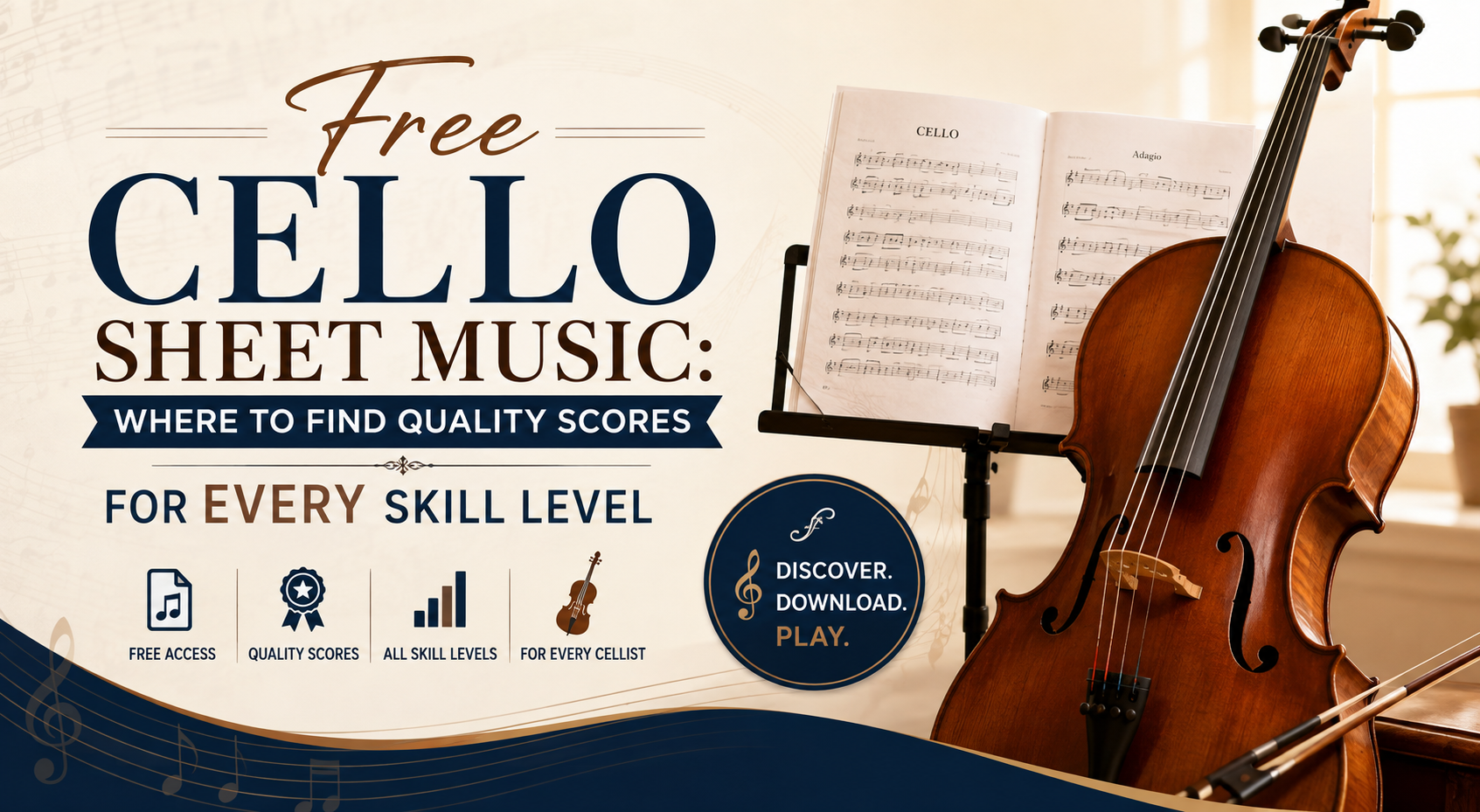
The cello possesses one of the richest and most expressive voices in classical music.
Whether you are a beginner or advanced performer, exploring Sheet Music Cello collections can significantly expand your musical abilities.
• Bach Cello Suites.
• Saint-Saëns The Swan.
• Beethoven adaptations.
• Schubert arrangements.
• Modern cello compositions.
One thing I've consistently noticed among successful cellists is their commitment to varied repertoire. Playing music from different periods helps develop technique, tone production, and musical versatility.
• Improves bow control.
• Strengthens intonation.
• Enhances musical expression.
• Develops endurance.
• Expands performance opportunities.
Research and practical experience both suggest that learning classical music can positively influence cognitive development.
• Memory retention.
• Problem-solving skills.
• Concentration.
• Discipline.
• Creativity.
Learning works such as Fur Elise, Moonlight Sonata, and Shostakovich Waltz 2 requires consistent focus and structured practice. These habits frequently transfer into academic and professional success.
Selecting appropriate sheet music is crucial for long-term improvement.
• Fur Elise simplified versions.
• Easy classical piano arrangements.
• Basic piano note exercises.
• Original Fur Elise.
• Moonlight Sonata First Movement.
• Selected Schubert arrangements.
• Full Moonlight Sonata.
• Shostakovich Waltz 2 advanced editions.
• Orchestral scores.
• Advanced cello repertoire.
Choosing music that matches your current abilities helps maintain motivation and ensures steady progress.
Classical music continues to inspire musicians because it combines technical excellence with emotional depth. Whether you are exploring Fur Elise Sheet Music, studying Moonlight Sonata, learning Piano Notes, practicing Classical Piano Sheet Music Easy arrangements, performing Shostakovich Waltz 2, analyzing Schubert Unfinished Symphony Sheet Music, or expanding your Sheet Music Cello collection, each piece contributes to your growth as a musician.
From personal observation, the most successful musicians are not necessarily the most talented—they are the most consistent. Practicing quality sheet music regularly, focusing on musical expression, and gradually expanding your repertoire will produce remarkable results over time.
Classical music is not merely a collection of notes on a page. It is a journey of creativity, discipline, and lifelong learning that continues to reward musicians at every stage of their development.
Fur Elise Sheet Music contains Beethoven's famous piano composition and is available in beginner, intermediate, and advanced arrangements.
Yes. Many simplified versions are designed specifically for beginner piano students.
Moonlight Sonata is admired for its emotional depth, beautiful melody, and timeless musical expression.
Shostakovich Waltz 2 was composed by Dmitri Shostakovich and remains one of his most recognizable works.
Practice daily sight-reading exercises, scales, and beginner sheet music to strengthen note recognition.
It refers to simplified arrangements of classical compositions created for beginners and early intermediate players.
Its emotional power, memorable themes, and mysterious incomplete status have made it one of classical music's greatest masterpieces.
Bach exercises, simple folk melodies, and beginner classical arrangements are excellent starting points.
Yes. Regular practice helps strengthen focus, memory, and cognitive skills.
Reliable sheet music libraries and specialized music websites provide accurate editions for piano, cello, and orchestral instruments.


Sep 13, 2026





.png)
Aug 05, 2026


Follow us : 


Sheet Music International - Copyright 2026 all rights reserved
| English: Sheet Music (PDF) | Free Scores | French: Sheet Music (PDF) | Free Scores | Greek: Sheet Music (PDF) | Free Scores |
| German: Sheet Music (PDF) | Free Scores | Spanish: Sheet Music (PDF) | Free Scores | Portuguese: Sheet Music (PDF) | Free Scores |
| Italian: Sheet Music (PDF) | Free Scores | Russian: Sheet Music (PDF) | Free Scores | Norwegian: Sheet Music (PDF) | Free Scores |
| Ukrainian: Sheet Music (PDF) | Free Scores | Polish: Sheet Music (PDF) | Free Scores | Dutch: Sheet Music (PDF) | Free Scores |

