Your Request is under process, Please wait.

Wolfgang Amadeus Mozart’s Idomeneo, re di Creta (Idomeneo, King of Crete), K. 366, is the work of a 25-year-old genius breaking free. It is his first, and greatest, traditional opera seria (serious opera), but it is a work that shatters its own traditions. The plot is a classic of Greek tragedy: King Idomeneo, returning from the Trojan War, is caught in a storm and makes a rash vow to Neptune—he will sacrifice the first living creature he sees on shore. That creature, in a devastating twist of fate, is his own son, Idamante. Mozart, writing for the superb orchestra at
...A King's Agony and a Composer's Revolution
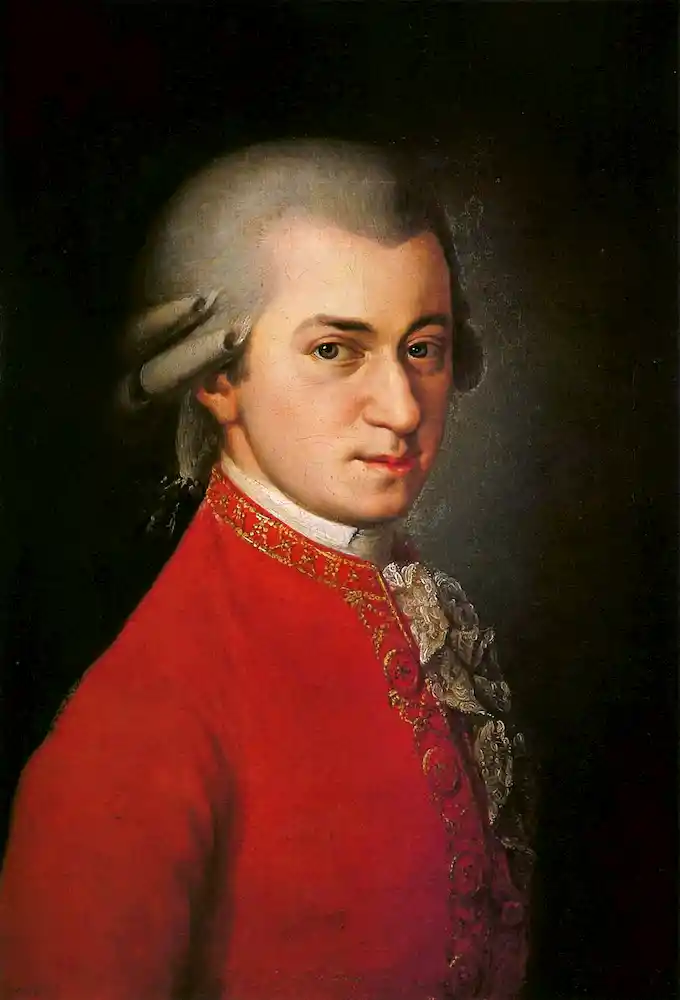
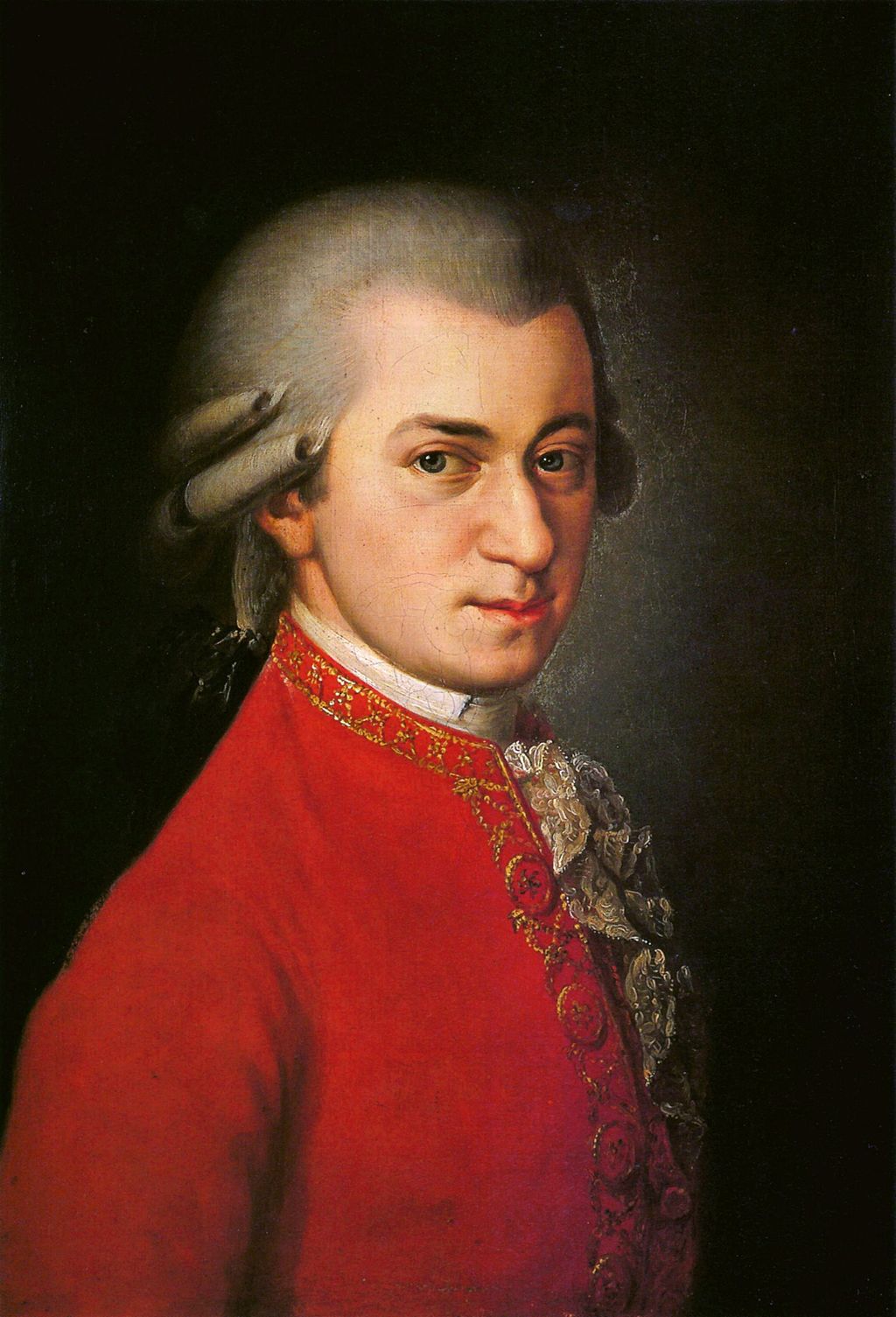
In late 1780, a 25-year-old Wolfgang Amadeus Mozart arrived in Munich with a career-defining commission. This was his shot. He had been commissioned to write a grand opera seria for the Munich Carnival, and he had at his disposal the legendary Mannheim orchestra, which had recently moved there and was widely considered the finest in all of Europe. Mozart was ecstatic, but he was also a man on a mission. He was no longer a child prodigy to be paraded around; he was a mature artist desperate to prove his dramatic genius and, more importantly, to escape the "servant" life under his hated patron, the Archbishop of Salzburg. His letters to his father, Leopold, from this period are a whirlwind of confidence and frustration. He brags about the orchestra ("My ears are ringing!"), but also complains about his 66-year-old lead tenor, Anton Raaff, who "must sing, though he has no voice left," and his fussy librettist, Varesco. This opera is the sound of Mozart fighting, note by note, to create something new and real. He wasn't just setting a libretto; he was forcing it to be a drama, pouring a Sturm und Drang fire into the old, stiff, marble edifice of opera seria.
The Ghost of Opera Seria
By 1780, opera seria was a dying art form. It was the "serious opera" of the Baroque, a noble, rigid, and predictable genre defined by the works of Handel and Hasse. It was an art form built on a "chain of arias," designed to showcase the superhuman vocal talents of its star singers, especially the castrati. The plot, always from Greek myth or ancient history, was just an excuse. It would stop for a da capo aria, the singer would perform spectacular vocal fireworks (the cabaletta), the audience would applaud, and then the plot would resume. The drama itself was secondary to the singing. Idomeneo has all the external trappings of this genre: a Greek king, a mythological plot, a storm, a sacrificial vow, and a set of superstar singers. Mozart was expected to deliver this, but he had other ideas.
The "Reform" of Christoph Willild Gluck
The most important living influence on the young Mozart was Christoph Willibald Gluck. Gluck, in his famous "reform" operas like Orfeo ed Euridice and Alcestis, had declared war on the "abuses" of opera seria. He argued for a "noble simplicity," demanding that the music serve the drama and not the other way around. He wanted to strip away the "vain, florid" singing and create a fluid, unified, and powerfully human work. He used the orchestra, the chorus, and the ballet as essential parts of the storytelling. Mozart had seen these works in Paris and was electrified. Idomeneo is Mozart's direct answer to Gluck. He takes Gluck’s ideals and infuses them with his own unparalleled melodic genius and harmonic complexity. In Idomeneo, the chorus isn't just a group of commentators; it is the terrified, suffering populace of Crete, crying out in terror ("Qual nuovo terrore!"). The arias, while still vocally brilliant, are shorter, more focused, and flow directly from the dramatic situation, often linked together with powerful, accompanied recitatives.
A Symphony with Voices
Mozart was writing for what he called "the best orchestra in Europe," and he used it to its full, glorious potential. The score of Idomeneo is a masterpiece of orchestration, a true "symphony with voices." He uses the woodwinds (especially the new clarinets) to paint moments of incredible tenderness for the princess Ilia. He brings in a full battery of brass, including four horns and, most significantly, three trombones. In the 18th century, trombones were "archaic" instruments, almost exclusively used to represent the divine, the sacred, or the underworld (an effect he would later use to terrifying effect in Don Giovanni). Here, they are the voice of the sea god Neptune. The most revolutionary moment is the storm in Act II. As Idomeneo confesses his vow, the orchestra, not a singer, unleashes a terrifying tempest. It is the sea god himself, roaring his anger through the music. This use of the orchestra as a psychological, dramatic character is revolutionary.
A Triangle of Fire and Grace
While the opera is named for the king, its dramatic heart lies in its two rival sopranos. They represent the two poles of Mozart's drama. Ilia, the Trojan captive, is a new kind of heroine. She is not a caricature; she is a real, psychologically complex woman, torn between her loyalty to her dead Trojan family and her forbidden love for Idamante, the son of her enemy. Her music is all graceful, sighing melodies and the "sensitive" Empfindsam style, as in her exquisite opening aria "Padre, germani, addio!" and the gentle, pastoral "Zeffiretti lusinghieri" (Gentle breezes). She is the opera's heart and its moral center. By contrast, Elettra is the opera's fire. She is the ultimate "scorned woman," a direct precursor to the Queen of the Night. A Greek princess, she also loves Idamante and is consumed by jealousy. When her plans are thwarted, she explodes. Her final aria, "D'Oreste, d'Ajace" (The Furies of Orestes and Ajax), is a terrifying Sturm und Drang masterpiece, a descent into madness where she sees the Furies of hell. It's a shocking, raw, and electrifying piece of musical theatre.
The Father and the Son
The central conflict of the plot is the vow, a story that echoes the biblical tales of Abraham and Isaac, or Jephtha's daughter. Idomeneo is a good king but a flawed, all-too-human man. His vow is rash, born of terror. His true tragedy is not the vow itself, but his indecision. He tries to trick the god, to send his son into exile. His great aria, "Fuor del mar" (Raging from the sea), is a fiendishly difficult piece of vocal bravura (written for the "old-school" tenor Raaff), but it's also a perfect portrait of a man "agitated... by a double tempest," as he says: the storm on the sea and the storm in his heart. The opera's hero, Idamante (originally sung by a castrato, now often by a mezzo-soprano or tenor), is almost too noble, offering himself as a willing sacrifice to save his people. This leads to the opera's climax: a father, a son, a high priest, and a sacrificial axe.
A "Deus ex Machina" and a Glimpse of the Future
In the end, Mozart and his librettist (just) avoid the full, bloody Greek tragedy. As Idomeneo is about to strike the fatal blow, Ilia throws herself between them, offering to die in Idamante's place. At this moment, a "deus ex machina" (a god from the machine) intervenes. The Voice of Neptune, accompanied by the solemn trombones, booms from offstage. The god is pacified by the "triumph of love" but still demands a price: Idomeneo must abdicate. He is to yield the throne to his son, Idamante, who will marry Ilia and rule in his place. The opera ends with a (somewhat long) celebration and ballet. But the music that got us there is what matters. Idomeneo is the great bridge. It is Mozart’s final, perfect opera seria, but it's also his first music drama. Its influence on the Romantics was immense. Richard Wagner, who also revered Gluck, saw Idomeneo as a clear precursor to his own work, praising its "dramatic sincerity" and the way its music flowed from the "agitation of the soul." It is the moment Mozart, the 25-year-old, stepped out of the shadow of the old masters and became a titan himself.
Act I
In a room in the royal palace in Crete, Ilia, a Trojan princess and captive, laments her fate. Her father, King Priam, and her brothers were killed in the Trojan War. She is a prisoner of Idomeneo, King of Crete, but she has fallen in love with his son, Prince Idamante. Idamante, in love with Ilia, enters and, in a gesture of goodwill to win her heart, announces that he is freeing all the Trojan prisoners. This enrages Elettra, a Greek princess (daughter of Agamemnon) who was shipwrecked on Crete. Elettra is violently in love with Idamante and sees Ilia as a rival. Arbace, the king's confidant, arrives with grim news: King Idomeneo's fleet, returning from Troy, has been lost in a terrible storm.
The scene changes to the seashore. We see Idomeneo's ships sinking in the storm. He himself is washed ashore. He confesses that he survived only by making a rash vow to Neptune, the sea god: if he were allowed to land safely, he would sacrifice the first living creature he met. As he laments his vow, a man approaches. It is his own son, Idamante, whom he hasn't seen in years. Horrified, Idomeneo recognizes his son and recoils in terror, ordering him to leave and never seek him out again. Idamante is left completely confused and heartbroken by his father's cruel rejection. The act ends as the surviving Cretan troops and people sing a chorus of praise for Neptune, celebrating their king's safe return.
Act II
In the palace, Idomeneo confesses his terrible secret to his adviser, Arbace. They devise a plan to trick the god: they will send Idamante into exile. He will escort Elettra back to her home in Argos. With Idamante gone, Idomeneo hopes Neptune will be satisfied or that he can sacrifice some other "creature." Ilia approaches Idomeneo, telling him that with her family gone, she now considers him her new father and Crete her new home. This display of kindness deepens Idomeneo's guilt. Elettra, however, is overjoyed. She sings a brilliant aria ("Idol mio"), believing that once she has Idamante on a ship, far away from her rival, she can win his love.
The scene shifts to the port of Sidon. Elettra and Idamante are about to board the ship. They are joined by Idomeneo, who bids his son farewell. The people sing a beautiful, calm chorus ("Placido è il mar" - "The sea is calm"). Just as they are about to depart, a furious storm eruptes from the clear sky. A terrifying sea monster rises from the waves. The people are horrified. Idomeneo, recognizing this as Neptune's fury at his deception, cries out that he alone is the guilty one and offers himself as the sacrifice.
Act III
In the palace garden, Ilia sings the tender aria "Zeffiretti lusinghieri" (Gentle breezes), asking the winds to carry her message of love to Idamante. Idamante appears, explaining that he is a "wandering vagabond" and must now go and fight the sea monster. Believing he will die, he finally confesses his love for Ilia, and they sing a duet of mutual devotion. They are interrupted by Idomeneo and Elettra. Idomeneo, still clinging to his desperate plan, once again orders his son to leave Crete.
The High Priest of Neptune arrives, leading a procession of people. He confronts the king, describing the monster's devastation—it is destroying the city and the people. On behalf of the gods, he demands that Idomeneo fulfill his vow and name the sacrifice. Idomeneo, his back to the wall, confesses: the victim is his son, Idamante. The people are horrified.
The final scene is set outside the Temple of Neptune. The priests call for the sacrifice. Idamante, having slain the sea monster, has learned of the vow and arrives, ready to die to save his people and honor his father. He bids Ilia a last, heartbreaking farewell. As Iimeneo, as king and high priest, raises the sacrificial axe, Ilia throws herself between them, offering to die in Idamante's place. She, a Trojan, argues she has more reason to die than he. At this dramatic climax, an unearthly voice—the Oracle of Neptune—is heard, accompanied by the solemn trombones. The god's command is given: "Love has triumphed." The vow is satisfied, but Idomeneo must abdicate. He is to yield the throne to his son, Idamante, who will marry Ilia.
Everyone rejoices, except Elettra. Consumed by rage, she sings her final, violent aria ("D'Oreste, d'Ajace"), calling on the Furies of Hell, and flees. The opera ends with Idomeneo presenting the new king and queen to the people of Crete, who celebrate in a final chorus and ballet.

Follow us : 


Sheet Music International - Copyright 2025 all rights reserved
| English: Sheet Music (PDF) | Free Scores | Français: Partitions (PDF) | Musique gratuite | Ελληνικά: Παρτιτούρες (PDF) | Δωρεάν μουσική |
| Deutsch: Noten (PDF) | Kostenlose Partituren | Español: Partituras (PDF) | Música impresa | Português: Partituras (PDF) | Música gratuita |
| Italiano: Spartiti (PDF) | Partiture musicali | Русский: Ноты (PDF) | Бесплатные партитуры | Norsk: Noter (PDF) | Gratis noter |
| Українська: Ноти (PDF) | Безкоштовні партитури | Polski: Nuty (PDF) | Darmowe nuty | Nederlands: Bladmuziek (PDF) | Gratis partituren |