Your Request is under process, Please wait.

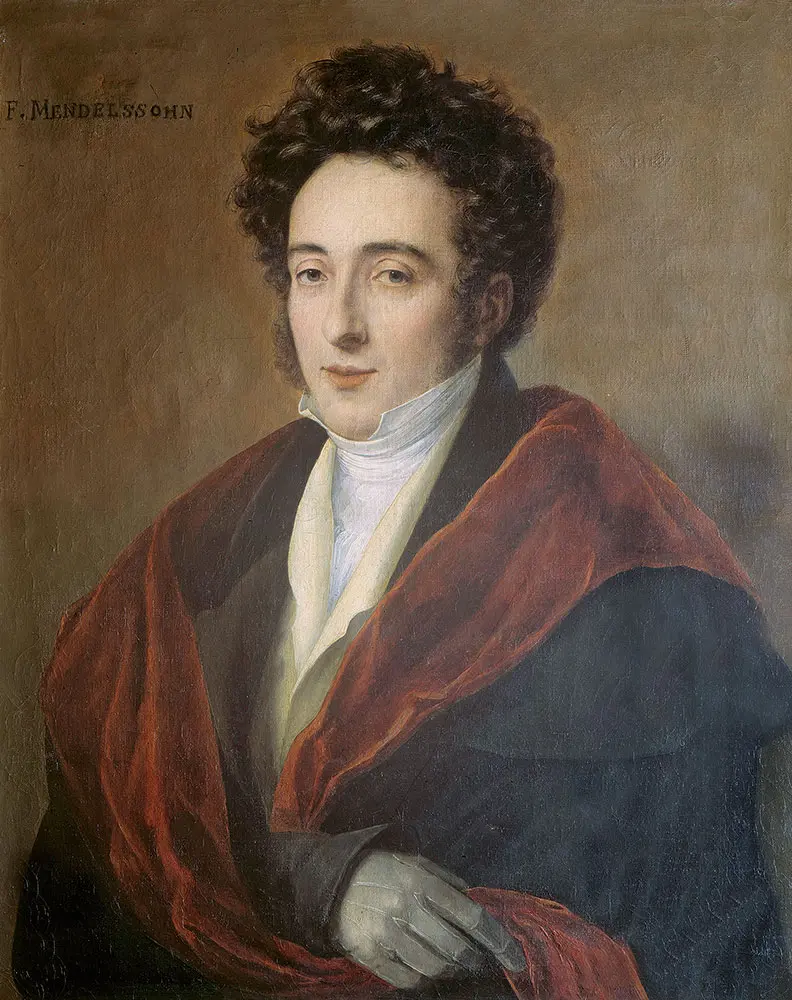
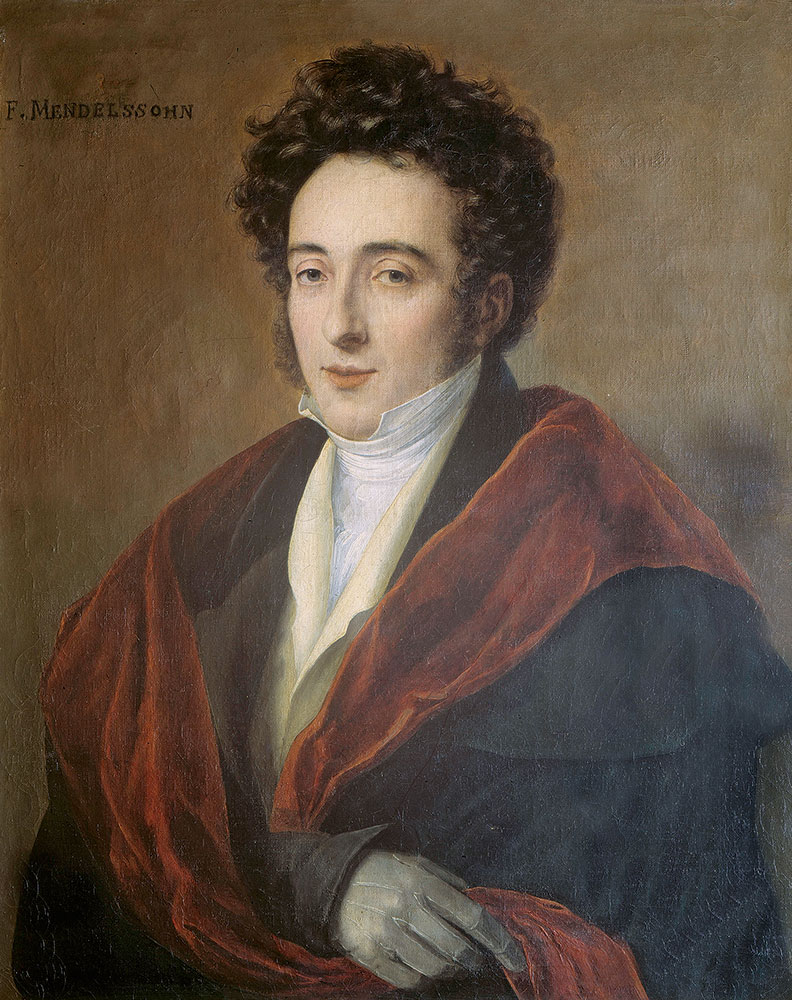
Felix Mendelssohn’s Violin Concerto in E minor is, by any measure, one of the most perfect and beloved concertos ever written. From its revolutionary opening, in which the solo violin enters almost immediately with a soaring, passionate melody, the work captivates with its emotional depth and formal elegance. Composed over a period of six years in close collaboration with the great violinist Ferdinand David, the concerto is a masterful blend of soaring Romanticism and refined Classical poise. Mendelssohn reimagined the concerto form, seamlessly linking the three movements into a single, unified narrative and placing the dazzling cadenza not at the
...The Perfect Concerto
Unlike the fiery, youthful concertos he famously tossed off in a matter of days, Mendelssohn’s Violin Concerto was a work of long and careful gestation. He first mentioned the idea of an E minor concerto in 1838 in a letter to his lifelong friend, the violinist Ferdinand David. "I should like to write a violin concerto for you next winter," Mendelssohn wrote. "One in E minor runs through my head, the beginning of which gives me no peace." That peaceful beginning would take six years of meticulous work to bring to fruition. Throughout the process, Mendelssohn, a pianist himself, relied heavily on David's expert advice, consulting him on matters of bowing, fingering, and what was technically possible on the violin. This close collaboration between a composer at the height of his powers and a brilliant performer resulted in a work that is not only profoundly beautiful but also perfectly idiomatic for the instrument. It is a true labor of love, a masterpiece forged not in a quick flash of inspiration, but through patient and dedicated craftsmanship.
A Revolution from the First Note
The concerto's first and most radical innovation is its opening. Bypassing the long orchestral introduction typical of concertos by Mozart and Beethoven, Mendelssohn has the solo violin enter in the second measure. Over a shimmering orchestral accompaniment, the soloist immediately presents the main theme, a melody of breathtaking passion and lyrical yearning, sung high on the violin’s brilliant E string. This simple but revolutionary act fundamentally changes the concerto’s dynamic. The soloist is not a guest who arrives after the scene has been set; they are the central protagonist from the very beginning, and the entire drama unfolds from their perspective.
The Game-Changing Cadenza
Mendelssohn’s innovations continue throughout the first movement. Nowhere is this more apparent than in his treatment of the cadenza. Traditionally, the cadenza was an unaccompanied, often improvised solo placed near the end of a movement to allow the performer to show off their technical prowess. Mendelssohn re-imagines it completely. First, he writes the cadenza out in full, ensuring it is an integral part of his compositional thought. Second, he moves its placement from the end of the movement to the end of the development section, where it serves as a dramatic climax and a bridge back to the main themes. In a moment of pure magic, as the soloist’s brilliant arpeggios climb to a climactic trill, the orchestra steals in underneath, reintroducing the opening theme. The cadenza is no longer a separate showcase, but the dramatic engine that drives the movement to its recapitulation.
The Bridge of a Single Note
Just as revolutionary is the seamless connection between the movements. As the passionate first movement draws to a close, the orchestra fades away, leaving a single, solitary bassoon holding one long note. This note acts as a magical pivot, linking the stormy E minor of the first movement to the tranquil C major of the second. It is a moment of breathtaking simplicity and structural genius, ensuring the emotional narrative flows onward, unbroken.
Movement II (Andante): A Song of Serene Beauty
The slow movement is a serene and heartfelt "Song Without Words," a genre Mendelssohn perfected. The violin sings a simple, beautiful melody of profound peace and contentment. This main theme frames a more troubled and agitated central section in A minor, where the soloist’s phrases become more dramatic and the orchestra provides a restless, pulsing accompaniment. This brief cloud of anxiety soon passes, and the opening theme returns, now even more poignant and peaceful, bringing the movement to a close in a state of sublime tranquility.
Movement III (Allegretto non troppo - Allegro molto vivace): Elfin Fire
The finale is connected to the slow movement by a short, questioning intermezzo. This fourteen-bar bridge, based on the themes of the first movement, serves as a moment of reflection before the violin launches into the brilliant final movement. The finale itself is a masterpiece of scherzo-like energy and elfin grace. The music is light, sparkling, and full of joyous momentum. The main theme is a bubbling, scherzo-like tune, and the solo writing is a dazzling display of virtuosity, requiring incredible agility from the performer through rapid spiccato bowing and brilliant passagework. It is a joyful and exhilarating conclusion, a perfect example of the fairy-tale magic that is so characteristic of Mendelssohn's music.
A Legacy of Perfection
The Violin Concerto was an immediate and overwhelming success. The great violinist Joseph Joachim, a protégé of both Mendelssohn and David, championed the work throughout Europe, cementing its status as an indispensable masterpiece. Its innovations were profoundly influential, setting a new standard for the Romantic concerto. The idea of a more integrated, continuous musical narrative was adopted by countless later composers, including Bruch, Tchaikovsky, and Sibelius. Today, it remains a cornerstone of the violin repertoire, forming part of the "Holy Trinity" of great German violin concertos alongside those of Beethoven and Brahms. It is a work that has everything: unforgettable melodies, passionate drama, groundbreaking formal innovation, and a perfect, transcendent balance between virtuosic brilliance and profound musicality.
Follow us : 


Sheet Music International - Copyright 2026 all rights reserved
| English: Sheet Music (PDF) | Free Scores | French: Sheet Music (PDF) | Free Scores | Greek: Sheet Music (PDF) | Free Scores |
| German: Sheet Music (PDF) | Free Scores | Spanish: Sheet Music (PDF) | Free Scores | Portuguese: Sheet Music (PDF) | Free Scores |
| Italian: Sheet Music (PDF) | Free Scores | Russian: Sheet Music (PDF) | Free Scores | Norwegian: Sheet Music (PDF) | Free Scores |
| Ukrainian: Sheet Music (PDF) | Free Scores | Polish: Sheet Music (PDF) | Free Scores | Dutch: Sheet Music (PDF) | Free Scores |