Your Request is under process, Please wait.

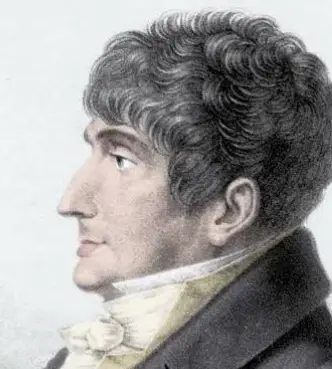
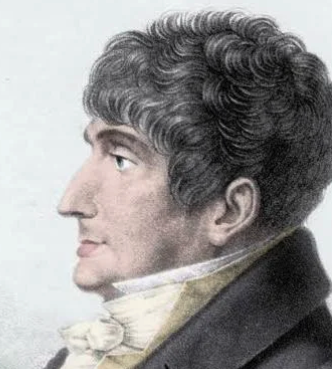
Giovanni Paisiello (1740–1816) was one of the most successful and prolific composers of the late 18th century, a figure whose fame once rivaled or even surpassed that of Mozart and Haydn. A central pillar of the Neapolitan School, Paisiello was the quintessential European composer, serving as the court maestro for Catherine the Great in St. Petersburg and later for Napoleon Bonaparte in Paris. His music is defined by an effortless melodic grace, a transparent orchestral texture, and a keen sense of dramatic timing that made him the absolute master of opera
...
Please generate a comprehensive resource page for a musical
composition, in two parts following all of the specific content and
formatting rules below. PLEASE make your reaponse 1200 words or
more. I often see responses less than 1,200 words!
Content Sections: The page must include:
Please do not include the little paper clip icon
separating paragraphs or sections after text.
A descriptive SEO Meta Content section.
Include in the content Free Sheet Music.
Part 1: A Top Introduction focused on the
music's artistic importance, with a 'Quick Facts' list but no direct
call-to-action. This should be a 250 word program note that users
can print in their program providing interesting reading for concert
goers about the work or it’s history. It may include an amusing
anecdote is appropriate. In the quick facts section please include
average performance time.
A detailed 'Program Notes & Analysis'
section of 1200-1500 words.
Please start with an amusing anecdote if possible.
Formatting Rules:
Please double space after all periods.
Use Markdown Header 2 (##) for all main
section titles and bold face them. Do not add extra blank lines
after these headings.
For the 'Program Notes & Analysis' section
specifically, place a compelling, bolded subtitle on the line
immediately following the main ## heading. Then, add a
single blank line before the first paragraph.
All subsequent paragraphs within the 'Program Notes
& Analysis' section must be introduced by their own bolded
title, followed by a single blank line, and then the paragraph text.
Bold the names of other composers mentioned in the
analysis.
Do not include a 'References and Further Reading'
section or any citations.
The composition I would like you to write about is[Composition Name].
SEO Meta Content: Explore the profound artistic legacy of Wolfgang Amadeus Mozart's operas. This comprehensive resource page covers the historical evolution, musical innovation, and dramatic genius of Mozart’s operatic repertoire. Discover the bridge between the Baroque tradition and the Romantic era through works like The Marriage of Figaro, Don Giovanni, and The Magic Flute. Includes free sheet music links and in-depth musicological analysis.
The operas of Wolfgang Amadeus Mozart represent the pinnacle of the Classical era, serving as a transformative bridge that elevated the genre from stylized court entertainment to profound human drama. Unlike many of his predecessors who prioritized vocal gymnastics over narrative depth, Mozart possessed an uncanny ability to translate the complexities of the human psyche into melodic form. His operas are characterized by a seamless integration of music and drama, where the orchestra becomes a living character, reflecting the unspoken thoughts and shifting emotions of the protagonists. From the witty social commentary of his Italian opera buffa to the mystical symbolism of his German Singspiel, Mozart's works remain the cornerstone of the international operatic repertoire, celebrated for their timeless relevance and melodic perfection.
A legendary anecdote regarding Mozart’s speed and genius surrounds the overture to Don Giovanni. As the story goes, the composer spent the evening before the premiere socializing and drinking with friends. Only in the early hours of the morning, while his wife Constanze kept him awake by telling him fairy tales, did he finally sit down to write the overture. The copyists received the ink-wet pages just hours before the curtain rose, and the orchestra reportedly sight-read the masterpiece to a thundering ovation. This blend of casual spontaneity and absolute structural mastery defines the Mozart operatic experience.
Quick Facts
Composer: Wolfgang Amadeus Mozart (1756–1791)
Total Operas: 22 musical dramas across various genres.
Major Languages: Italian and German.
Key Collaborator: Librettist Lorenzo Da Ponte.
Average Performance Time: Ranges from 1.5 hours (one-act works) to 3.5 hours (major dramas).
Free Sheet Music: Available via the International Music Score Library Project (IMSLP) and the Neue Mozart-Ausgabe digital archives.
The Architect of Human Emotion: Decoding Mozart’s Operatic Revolution
During the rehearsals for The Marriage of Figaro, the legendary singer Michael Kelly recalled that Mozart was so energized by the music that his face literally "glowed with the rays of genius." It is said that during the famous Act II finale, the performers were so swept up in the intricate ensemble writing that they broke into spontaneous cheers of "Bravo, Bravo, Maestro!" mid-rehearsal. This infectious energy was not merely the result of beautiful melodies, but the realization that Mozart was doing something entirely new. He was taking the rigid, often one-dimensional archetypes of the 18th-century stage and breathing into them the messy, contradictory, and vibrant life of real human beings.
The Early Foundations and the Influence of Gluck While Mozart is often viewed as a singular phenomenon, his operatic style was forged in the fires of the "Reform" movement led by Christoph Willibald Gluck. Before Mozart reached maturity, the opera seria tradition had become a stagnant display of vocal pyrotechnics where the plot was often a secondary concern to the ego of the singers. Gluck argued for "beautiful simplicity" and a return to the primacy of the drama. The young Mozart took these lessons to heart in early works like Idomeneo, yet he surpassed his mentor by refusing to sacrifice musical complexity for dramatic clarity. Instead, he found a way to make the music the primary engine of the plot, ensuring that every trill, modulation, and instrumental color served a specific narrative purpose.
The Da Ponte Trilogy and Social Subversion The most significant turning point in operatic history occurred when Mozart teamed up with the poet Lorenzo Da Ponte. Together, they created three masterpieces: Le nozze di Figaro, Don Giovanni, and Così fan tutte. In these works, Mozart moved away from the mythological gods of Handel and Monteverdi to focus on the tensions of contemporary society. In Figaro, we see a direct challenge to the aristocracy, where the clever servants outwit their masters. The music mirrors this subversion; it is kinetic, witty, and filled with "ensembles of perplexity" where multiple characters sing different perspectives simultaneously. This was a radical departure from the traditional alternating pattern of recitative and aria, allowing the story to move forward even during the most complex musical moments.
The Symphony in the Pit: Orchestral Narrative One cannot analyze Mozart's operas without acknowledging his revolutionary use of the orchestra. Influenced by the Mannheim school and the symphonic developments of Joseph Haydn, Mozart elevated the pit from a mere accompaniment to a psychological commentator. In Don Giovanni, the use of trombones—instruments usually reserved for sacred music or the supernatural—to signal the arrival of the Commendatore created a sense of dread that was unprecedented in the 1780s. Mozart used woodwind colors to represent different social classes or emotional states, often using the oboe to signal yearning or the bassoon to provide a touch of ironic humor. His ability to weave these instrumental voices around the singers created a multi-layered experience that paved the way for the "Leitmotif" system later perfected by Richard Wagner.
The Supernatural and the Sublime in Idomeneo In his earlier masterpiece Idomeneo, Mozart demonstrated a mastery of the opera seria form while pushing its boundaries to the breaking point. Here, he looked back to the French operatic traditions of Jean-Baptiste Lully and Jean-Philippe Rameau, incorporating large-scale choruses and ballet sequences that were uncommon in Italian opera of the time. The storm scenes and the Oracle's pronouncements show a composer comfortable with the "Sturm und Drang" movement, utilizing bold dissonances and wide melodic leaps to depict the terror of the sea and the wrath of the gods. This work proved that Mozart could handle high tragedy with the same finesse he applied to comedy, bridging the gap between the ancient world and the modern psyche.
The Singspiel and the Birth of German Opera While Italian opera was the prestige genre of the day, Mozart was instrumental in establishing a legitimate German operatic voice through the Singspiel—a form that combined spoken dialogue with sung numbers. With Die Entführung aus dem Serail, he brought "Janissary" music (Turkish-inspired percussion) into the opera house, catering to the contemporary fascination with the exotic. However, it was Die Zauberflöte (The Magic Flute) that truly redefined the genre. Collaborating with the flamboyant actor-manager Emanuel Schikaneder, Mozart blended low-brow slapstick comedy with high-minded Masonic symbolism. The result was a work that appealed to both the commoner in the gallery and the intellectual in the boxes, setting a template for later German composers like Carl Maria von Weber and Ludwig van Beethoven.
Characterization Through Harmonic Tension Mozart's genius for characterization is most evident in his use of key signatures and harmony. He often associated specific keys with certain emotional states—D minor for vengeance and the supernatural, E-flat major for nobility and the sacred, and G major for pastoral innocence. In the famous "Catalogue Aria" from Don Giovanni, the shifting harmonies reflect Leporello’s frantic attempt to keep up with his master’s long list of conquests. Unlike Antonio Salieri or other contemporaries who often used static harmonies to support a melody, Mozart used harmonic instability to show a character’s internal conflict. When a character is lying or uncertain, the music often wanders into distant keys, creating a physical sense of unease in the listener that mirrors the drama on stage.
The Evolution of the Finale The operatic finale reached its structural zenith in the hands of Mozart. In the second act of The Marriage of Figaro, Mozart constructs a twenty-minute continuous musical sequence that begins as a duet and gradually adds characters until it becomes a massive septet. There is no break for applause and no spoken dialogue; the music flows through various tempos and keys as the plot twists and turns. This "chain finale" was a massive technical challenge that Mozart handled with effortless grace. It influenced the large-scale structures of Gioachino Rossini and later Giuseppe Verdi, who admired Mozart's ability to maintain musical logic while juggling multiple plot threads simultaneously.
Vocal Writing and the Prima Donna Mozart wrote specifically for the voices available to him, often tailoring arias to the strengths—and weaknesses—of his singers. For the Josepha Hofer, his sister-in-law, he wrote the stratospheric Queen of the Night arias in The Magic Flute, pushing the human voice to its absolute limits of range and agility. Conversely, for more lyrical singers, he wrote melodies of breathtaking simplicity, such as "Porgi, amor" or "Dove sono." He moved away from the "da capo" aria (A-B-A form), which often halted the drama for repetitive displays of virtuosity, in favor of through-composed forms that evolved alongside the character’s emotional journey. Even when writing for the "Castrati"—the superstar singers of the era—Mozart ensured the music remained subservient to the character's humanity.
The Legacy of Mozart’s Operas in the 19th Century The impact of Mozart's operatic output on the 19th century cannot be overstated. Ludwig van Beethoven, who struggled with the operatic form, kept a score of The Magic Flute by his bed and considered it Mozart's greatest achievement because it encompassed every musical style from the simple folk song to the complex fugue. Pyotr Ilyich Tchaikovsky was so enamored with Mozart that he wrote Mozartiana as a tribute, and frequently cited Don Giovanni as the reason he became a composer. Even the reformist Richard Wagner, who sought to dismantle traditional operatic structures, recognized Mozart as the one composer who had successfully achieved a "Music Drama" where the components were in perfect balance.
The Universal Appeal of Mozart’s Comedies While his tragedies are profound, it is perhaps Mozart's comedies that remain his most beloved contribution. He redefined "comedy" not just as a series of laughs, but as a reflection of the human condition. In Così fan tutte, the music is so beautiful that it almost masks the cynical and cruel nature of the wager at the heart of the plot. Mozart uses the beauty of the music to make the audience complicit in the characters' deceptions. This ambiguity is a hallmark of his genius; he rarely tells the audience how to feel, instead providing a musical landscape where the listener can find their own truth. This level of sophistication ensured that his operas would outlast the era of powdered wigs and survive into the modern age.
The Final Act: La clemenza di Tito and Requiem In the final year of his life, even as he was working on the dark and mysterious Requiem, Mozart returned to the old opera seria style one last time with La clemenza di Tito. Commissioned for the coronation of Leopold II, the work shows a composer at the height of his powers, stripping away excess to create a work of "noble simplicity." Even in this regressive format, Mozart injected psychological depth into the character of Titus, focusing on the burden of leadership and the power of forgiveness. It serves as a fitting bookend to an operatic career that began with a twelve-year-old boy writing Bastien und Bastienne and ended with a mature master who had fundamentally changed the way the world hears music.
Modern Interpretations and Timelessness Today, Mozart's operas are staged in everything from period-accurate productions to avant-garde, modern-day settings. This is possible because the core of his work is not tied to the 18th century, but to the universal experiences of love, betrayal, grief, and joy. When we hear the Countess forgive her husband at the end of Figaro, or witness the terrifying descent of Don Giovanni into hell, we are not just watching a historical artifact; we are experiencing a living, breathing drama that continues to challenge and inspire. Mozart's operas are a testament to the idea that music, when crafted with enough empathy and technical brilliance, becomes a universal language that transcends time, place, and culture.
Would you do the same thing for MOazrts concertos
SEO Meta Content: Discover the brilliance of Wolfgang Amadeus Mozart's concertos. This guide explores his revolutionary contributions to the piano, violin, and wind concerto genres. Learn about the formal innovations, virtuosic demands, and the artistic dialogue between soloist and orchestra. Includes links to free sheet music and expert musical analysis of his most famous works.
The concertos of Wolfgang Amadeus Mozart represent a definitive peak in the instrumental music of the Classical period. Across more than forty works for various solo instruments, Mozart transformed the concerto from a display of mere technical bravura into a sophisticated "conversation" between the individual and the collective. While his predecessors, including Carl Philipp Emanuel Bach, had begun to explore the expressive potential of the solo instrument, it was Mozart who perfected the structural balance of the "double exposition" and the dramatic interplay that characterizes the modern concerto. His twenty-seven piano concertos, in particular, serve as a musical diary of his years in Vienna, showcasing his growth from a wunderkind to a mature dramatist of the keyboard.
A charming anecdote from 1784 involves Mozart’s pet starling. After finishing the Piano Concerto No. 17 in G Major, Mozart visited a pet shop and heard a starling whistling a tune that bore a striking resemblance to the theme of the concerto's final movement. Delighted, Mozart bought the bird and recorded the event in his expense book, even transcribing the bird's "variation" of his melody—which included a humorous G-sharp where Mozart had written a G-natural. When the bird eventually passed away, Mozart reportedly held a formal funeral in his garden, complete with a veiled procession and a poem he wrote in the bird's honor.
Quick Facts
Composer: Wolfgang Amadeus Mozart (1756–1791)
Total Concertos: Over 40, including 27 for piano, 5 for violin, and several for wind instruments.
Key Instrumentation: Soloist accompanied by a Classical orchestra (strings, pairs of woodwinds, and horns).
Structural Form: Typically three movements (Fast–Slow–Fast).
Average Performance Time: 25–30 minutes per concerto.
Free Sheet Music: Digitized scores are available through the Mozart-Archiv and the IMSLP Petrucci Music Library.
The Dialogue of Genius: The Structural and Emotional Architecture of Mozart’s Concertos
While living in Vienna, Mozart wrote to his father, Leopold Mozart, explaining that his concertos were "a happy medium between what's too easy and what's too difficult... here and there, only connoisseurs can derive satisfaction from them, but in such a way that the non-connoisseur will also be pleased without knowing why." This statement perfectly encapsulates the deceptive simplicity of his concerto writing. To the listener, the melodies seem to flow with an effortless, natural grace, yet underneath the surface lies a rigorous architectural framework that challenged the very limits of 18th-century instrumental capabilities. Mozart treated the soloist not just as a virtuoso, but as a protagonist in a wordless opera, capable of profound sorrow, biting wit, and transcendent joy.
The Piano Concertos as Personal Chronicles The piano concertos are the heart of Mozart's instrumental output, largely because they were written for his own use as a performer. During his early years in Vienna, these works were his primary means of generating income and maintaining his reputation as the city's finest keyboardist. Unlike the concertos of Johann Sebastian Bach, which often featured the keyboard as a continuo instrument within the texture, Mozart’s concertos established a clear hierarchy where the piano asserts its independence. However, this independence is always balanced by a symphonic integration. In the great D minor (No. 20) and C minor (No. 24) concertos, we see Mozart exploring a darker, more "Sturm und Drang" aesthetic that would later influence Ludwig van Beethoven, who famously performed the D minor concerto and wrote his own cadenzas for it.
The Violin Concertos: A Salzburg Youth Interestingly, all five of Mozart's authentic violin concertos were composed in a single year—1775—while he was still living in Salzburg. At the time, Mozart was an accomplished violinist, often leading the court orchestra. These works, such as the No. 3 in G Major and the No. 5 in A Major (the "Turkish"), possess a youthful, dance-like quality that contrasts with the later, more cerebral piano concertos. They are heavily influenced by the Italian style of Pietro Locatelli and Giuseppe Tartini, but Mozart infuses them with a distinctively Austrian folk sensibility. The "Turkish" finale of the fifth concerto is a prime example of his love for the exotic, utilizing "col legno" (hitting the strings with the wood of the bow) to mimic the percussive sound of Janissary music.
Wind Concertos and the Art of the Specific Mozart had a remarkable gift for writing music that highlighted the idiosyncratic "voice" of wind instruments. His Clarinet Concerto in A Major, written for his friend Anton Stadler just months before Mozart's death, is widely considered the greatest work ever written for the instrument. By this stage in his career, Mozart had moved beyond the mere display of agility. The concerto utilizes the lower "basset" register of the clarinet to create a somber, autumnal tone that is deeply moving. Similarly, his four Horn Concertos, written for the horn player Joseph Leutgeb, are filled with melodic warmth and good-natured humor, often featuring the "hunting horn" style that was popular at the time. Even his Flute and Harp Concerto shows his ability to blend disparate timbres into a cohesive, elegant whole, despite his private claims that he disliked the flute.
Structural Innovation: The Double Exposition One of Mozart's most significant contributions to the genre was the refinement of the "First Movement Concerto Form." This was an adaptation of the sonata form used by Joseph Haydn in his symphonies, but modified to accommodate a soloist. Mozart typically begins with an "orchestral exposition," where the main themes are introduced by the ensemble in the home key. The soloist then enters with a "solo exposition," often providing a new perspective on those themes or introducing entirely new melodic material while modulating to a different key. This creates a dualistic structure that allows for both symphonic weight and individual brilliance. This tension between the "tutti" (everyone) and "solo" sections provides the primary dramatic engine for the work.
The Role of the Cadenza In the 18th century, the cadenza was an opportunity for the soloist to demonstrate their improvisational skills. Usually occurring near the end of the first movement, the orchestra would come to a halt on a "six-four" chord, leaving the soloist to weave together the movement's themes in a virtuosic display. While Mozart often improvised his own cadenzas in performance, he frequently wrote them out for his students or for publication. These written cadenzas provide a fascinating insight into his musical mind, showing how he could deconstruct and reassemble his own melodies with lightning speed. Later composers, such as Johannes Brahms and Clara Schumann, would write their own cadenzas for Mozart concertos, showing the enduring influence of these works on subsequent generations.
The Middle Movements: Operatic Cantabile The second movements of Mozart’s concertos are often described as "arias without words." It is here that the influence of Italian opera is most palpable. In the slow movement of the Piano Concerto No. 21 in C Major (the "Elvira Madigan"), the piano floats a long, singing melody over a shimmering orchestral accompaniment of muted strings and pizzicato basses. Mozart utilized the vocal style of composers like Giovanni Paisiello but added a level of harmonic sophistication and "chromaticism"—the use of notes outside the standard scale—that provided a sense of longing and nostalgia. These movements serve as the emotional heart of the concerto, providing a moment of lyrical repose between the energetic outer movements.
The Finale: Rondo and Variation Forms For the final movements, Mozart typically favored the Rondo form (A-B-A-C-A), which allowed for a lighthearted, infectious energy that sent the audience home in high spirits. The "A" theme is usually a catchy, folk-like tune that returns several times, interspersed with more virtuosic "episodes." Occasionally, he would employ a "Theme and Variations" format, as heard in the finale of the Piano Concerto No. 24. This allowed him to demonstrate his inexhaustible melodic invention, transforming a simple tune into a series of complex rhythmic and harmonic landscapes. Regardless of the form, the Mozart finale is characterized by a sense of rhythmic drive and a masterful use of woodwind counterpoint.
Orchestral Color and Woodwind Prominence Unlike many of his contemporaries who used the woodwinds merely to "double" the string lines, Mozart treated the winds as independent soloists within the orchestra. In the later piano concertos, the woodwind section—flute, oboes, clarinets, and bassoons—often engages in a three-way dialogue with the piano and the strings. This provides a richness of texture that was quite revolutionary for the time. Mozart's understanding of wind instruments was likely sharpened by his encounters with the famous Mannheim orchestra, which was renowned for its wind playing. By giving the woodwinds such a prominent role, Mozart ensured that his concertos felt like chamber music on a grand scale.
The Influence on the Romantic Concerto The "Heroic" concerto of the 19th century, championed by Robert Schumann and Felix Mendelssohn, owes a massive debt to Mozart. While the Romantics pushed the concerto toward even greater lengths and more extreme virtuosity, the underlying logic of the form remained Mozart's. The idea of the concerto as a psychological drama, where the soloist struggles with or leads the orchestra, is a concept that Mozart pioneered. Even Frédéric Chopin, who was notoriously picky about other composers, held Mozart's concertos as the gold standard of formal perfection and melodic purity.
Mozart and the Concept of Play At its core, a Mozart concerto is an exploration of the concept of "play." The music often feels like a game, with themes being tossed back and forth between the soloist and the ensemble like a ball. This sense of playfulness, however, never descends into triviality. Even in his most lighthearted works, there is a sense of impeccable craftsmanship and a deep respect for the listener's intelligence. Mozart understood that the concerto was a public medium, and he mastered the art of being sophisticated without being elitist. This balance is why his concertos remain as fresh and engaging today as they were when he first performed them in the salons of Vienna.
The Universal Standard of Instrumental Music Today, the concertos of Wolfgang Amadeus Mozart serve as a benchmark for instrumentalists around the world. They are standard requirements for auditions and competitions because they reveal a performer's musicality more than almost any other repertoire. To play Mozart well requires more than just fast fingers; it requires a sense of timing, a singing tone, and an understanding of dramatic structure. In these works, Mozart proved that the concerto could be more than just a showpiece—it could be a vehicle for the highest form of artistic expression. As we listen to these works, we are reminded of the enduring power of a single voice engaged in a meaningful, beautiful dialogue with the world.
Would you do the same thing for mozart piano concerto 21, also pay special attention to the secondmovement as it is very famous
SEO Meta Content: Explore the brilliance of Wolfgang Amadeus Mozart's Piano Concerto No. 21 in C Major, K. 467. This guide provides a detailed musical analysis of its three movements, with a special focus on the world-famous Andante. Learn about the history, structural innovation, and the artistic dialogue between soloist and orchestra. Includes links to free sheet music and program notes for concertgoers.
Wolfgang Amadeus Mozart’s Piano Concerto No. 21 in C Major, K. 467, stands as one of the most radiant and enduring masterworks of the Classical era. Composed in March 1785, just weeks after the dark and stormy D minor concerto, No. 21 returns to a world of symphonic grandeur, optimism, and melodic grace. Written during the height of Mozart's popularity in Vienna, the work was designed to showcase his dual talents as a composer and a virtuoso pianist. The concerto is celebrated for its majestic opening, its witty finale, and, most notably, a middle movement of such ethereal beauty that it has become a staple of popular culture, famously earning the nickname "Elvira Madigan" after its use in the 1967 Swedish film.
An amusing anecdote regarding the premiere of this concerto highlights Mozart's legendary facility. Because he was juggling multiple commissions and concert series, he was notoriously late in finishing his scores. His father, Leopold Mozart, wrote in a letter that the copyists were still frantically writing out the orchestral parts for K. 467 on the very day of the performance. When Mozart stepped onto the stage to perform the solo part, he likely played from a nearly blank sheet of paper or a rough sketch, improvising the complex piano passagework on the spot while the orchestra sight-read the fresh ink. Despite this last-minute rush, the performance was a triumph, further cementing his status as the musical monarch of Vienna.
Quick Facts
Composer: Wolfgang Amadeus Mozart (1756–1791)
Composition Date: March 9, 1785.
Key: C Major.
Instrumentation: Solo Piano, Flute, Two Oboes, Two Bassoons, Two Horns, Two Trumpets, Timpani, and Strings.
Average Performance Time: 28–30 minutes.
Free Sheet Music: Available via the International Music Score Library Project (IMSLP) and the Neue Mozart-Ausgabe.
Symphonic Grandeur and Ethereal Lyricism: A Study of K. 467
During the 1780s, the piano concerto was the vehicle through which Mozart communicated most directly with the public. In a letter to his father, he noted that his concertos were "very brilliant, pleasing to the ear, and natural, without being insipid." Piano Concerto No. 21 embodies this philosophy perfectly. It is a work that balances the formal rigor of Joseph Haydn with the operatic lyricism that was Mozart’s unique signature. The use of trumpets and timpani in a C major work typically signaled a "military" or festive character, yet Mozart transcends these tropes by injecting the work with sophisticated harmonic shifts and a woodwind-heavy texture that creates a sense of intimate chamber music within a grand symphonic frame.
The Allegro maestoso: A March of Intellectual Brilliance The first movement opens not with a grand statement, but with a quiet, march-like theme in the strings that gradually builds in intensity. This "quiet start" was a technique Mozart used to draw the audience in, creating a sense of anticipation before the full orchestra enters with a celebratory burst of C major. Unlike the concertos of Johann Christian Bach, which often stayed within a narrow emotional range, Mozart’s first movement is characterized by sudden shifts into minor keys, suggesting a psychological depth beneath the sunny exterior. When the piano finally enters, it does so with a brief, improvisatory flourish before taking up the main theme. The movement is a masterclass in "double exposition" form, where the soloist and orchestra engage in a sophisticated game of thematic sharing and development.
The Ethereal Andante: A Dream in F Major The second movement of K. 467 is arguably the most famous slow movement in the entire concerto repertoire. It is a sublime example of Mozart’s "Cantabile" style, where the piano takes on the role of a soprano singing a long, unbroken aria. The movement is built upon a shimmering foundation of muted strings and a pulsating triplet rhythm in the second violins and violas. Against this hazy, atmospheric background, the first violins introduce a wide-leaping melody that seems to defy gravity. When the piano enters, it repeats this theme with delicate ornaments, creating a sense of timelessness. This is music of profound emotional ambiguity; while it is undeniably beautiful, the frequent use of dissonant "appoggiaturas" and chromatic shifts lends the movement a sense of yearning and quiet melancholy.
Harmonic Tension in the Andante What makes the Andante so effective is Mozart's daring use of harmony. While the piece is ostensibly in F major, he frequently wanders into the dark territory of G-flat major and B-flat minor. These modulations create a physical sensation of shifting light and shadow, much like the paintings of his contemporary Jean-Honoré Fragonard. The woodwinds—particularly the flute and oboe—act as an echoing choir, answering the piano’s phrases with poignant sensitivity. The movement avoids a traditional "A-B-A" structure, instead unfolding as a continuous, dreamlike stream of consciousness. It is this quality that has allowed the music to transcend its 18th-century origins, finding a home in modern cinema and therapy for its ability to evoke a sense of deep peace and reflection.
The Allegro vivace assai: A Playful Spirited Finale Following the introspective depth of the Andante, the finale breaks the spell with a burst of high-spirited energy. This movement is a classic Mozart rondo, characterized by a "buffo" or comic opera sensibility. The theme is characterized by wide leaps and rapid-fire scales, demanding a high degree of technical precision from the soloist. The orchestra and piano engage in a witty dialogue, often interrupting each other or finishing each other’s musical sentences. This playfulness was a hallmark of the Classical style, intended to leave the audience in a state of exhilaration. Mozart incorporates complex counterpoint into the orchestral tuttis, showing that even in his "lighter" music, he never sacrificed intellectual rigor.
The Woodwind Choir as Subtext One of the most striking features of Concerto No. 21 is the independence of the woodwind section. In many concertos by Antonio Salieri or Muzio Clementi, the winds were used primarily to reinforce the strings. In K. 467, however, the flute, oboes, and bassoons form an independent "wind band" that frequently debates with the piano. In the first movement, the woodwinds often provide a rhythmic counterpoint that pushes the music forward, while in the finale, they add a layer of rustic, outdoor humor. This sophisticated orchestration reflects the influence of the wind serenades Mozart was writing at the same time, such as the Gran Partita.
The Missing Cadenzas Curiously, Mozart did not leave behind written-out cadenzas for this specific concerto. Because he was the primary performer, he would have improvised these virtuosic solos on the spot. This has left a fascinating challenge for subsequent generations of pianists. Over the years, many famous musicians have composed their own cadenzas for K. 467, including Johannes Brahms, Ferruccio Busoni, and even the legendary pianist Dinu Lipatti. Each of these cadenzas reflects the musical style of the person who wrote them, illustrating how Mozart's music serves as a canvas for the artistic expression of later eras.
Mozart and the Evolution of the Fortepiano To understand the sound world of K. 467, one must consider the instrument Mozart was using. The fortepiano of the 1780s had a much lighter action and a clearer, more percussive tone than the modern concert grand. This allowed for a faster articulation and a more transparent blend with the orchestra. When Mozart wrote the rapid scales and arpeggios in the finale, he was exploiting the instrument's ability to "speak" with clarity even at high speeds. Modern performers must work to replicate this lightness and clarity, ensuring that the piano never overpowers the delicate orchestral textures, particularly in the intimate Andante.
The Influence on the Romantic Generation The impact of K. 467 on the 19th century was significant. Felix Mendelssohn was a great admirer of Mozart's piano concertos, and one can hear the echoes of Mozart's structural clarity in his own G minor concerto. Robert Schumann famously described Mozart's music as possessing "Hellenic grace," a quality that is nowhere more evident than in the balanced proportions of Concerto No. 21. Even the revolutionary Ludwig van Beethoven studied these works closely, using Mozart's C major models as a starting point for his own early piano concertos. The transition from the Classical "conversation" to the Romantic "struggle" began with the foundations laid in these Viennese masterworks.
The "Elvira Madigan" Phenomenon The 20th-century resurgence of K. 467 can be largely attributed to the filmmaker Bo Widerberg, who used the Andante as the primary musical theme for his film Elvira Madigan. The film's story of doomed lovers in the late 19th century was perfectly complemented by the music's sense of bittersweet beauty. This association helped the concerto cross over from the concert hall to the mainstream, making it one of the most recognized pieces of classical music in the world. While some purists argue that the nickname distracts from the work's formal brilliance, there is no denying that the film's success introduced a vast new audience to the genius of Mozart.
K. 467 as a Universal Standard Today, Piano Concerto No. 21 remains a cornerstone of the repertoire and a requirement for nearly every major international piano competition. It is considered a supreme test of a pianist's "touch" and phrasing. Playing the notes of K. 467 is relatively straightforward, but capturing the "glow" that Mozart intended requires a deep understanding of 18th-century style and an almost operatic sense of breath. The concerto remains a perfect example of how music can be simultaneously accessible and intellectually profound, providing a gateway into the complexity of the Classical era for listeners of all backgrounds.
A Lasting Legacy of Light In the final analysis, Piano Concerto No. 21 is a testament to Mozart's ability to find light in a period of intense personal and professional pressure. Despite the frantic pace of his life in Vienna, he produced a work of perfect equilibrium and enduring joy. From the martial confidence of the first movement to the transcendental peace of the second and the unbridled wit of the third, the concerto offers a complete portrait of a composer at the very height of his creative powers. As long as there are pianos and orchestras, the radiant C major strains of K. 467 will continue to resonate as a pinnacle of human achievement.
would you do the same thing for the composer Paisiello
SEO Meta Content: Explore the influential operatic and instrumental legacy of Giovanni Paisiello, the master of the Neapolitan School. This guide examines his role in shaping the Classical style, his immense popularity across Europe, and his influence on Wolfgang Amadeus Mozart. Discover the charm of The Barber of Seville and his innovative piano concertos. Includes links to free sheet music and a deep dive into 18th-century musical drama.
Giovanni Paisiello (1740–1816) was one of the most successful and prolific composers of the late 18th century, a figure whose fame once rivaled or even surpassed that of Mozart and Haydn. A central pillar of the Neapolitan School, Paisiello was the quintessential European composer, serving as the court maestro for Catherine the Great in St. Petersburg and later for Napoleon Bonaparte in Paris. His music is defined by an effortless melodic grace, a transparent orchestral texture, and a keen sense of dramatic timing that made him the absolute master of opera buffa. While his style is often characterized by a "noble simplicity," his ability to craft infectious, singing melodies influenced the entire trajectory of the Classical era, providing a blueprint for the lyrical elegance we now associate with the high Viennese style.
An amusing anecdote regarding Paisiello’s ego and his relationship with the French Emperor involves Napoleon’s obsession with his music. Napoleon reportedly preferred Paisiello's relatively simple, tuneful style over the more complex, revolutionary works of Luigi Cherubini. When Cherubini once complained about this favoritism, Napoleon bluntly told him that Paisiello’s music did not prevent him from thinking about affairs of state, whereas Cherubini's music was too "noisy" and distracting. Paisiello, ever the savvy courtier, leaned into this, ensuring his compositions remained perfectly balanced and pleasingly melodic to maintain his status as the most powerful composer in Europe.
Quick Facts
Composer: Giovanni Paisiello (1740–1816)
Total Works: Over 90 operas, dozens of concertos, and a vast amount of sacred music.
Key Genre: Opera Buffa (Comic Opera) and Keyboard Concertos.
Famous Contemporary: Wolfgang Amadeus Mozart, who was a known admirer of his work.
Average Performance Time: Operas range from 2 to 3 hours; Concertos average 20 minutes.
Free Sheet Music: Available via the International Music Score Library Project (IMSLP) and various Italian conservatory digital archives.
The Melodic Architect of the Neapolitan Tradition: The Legacy of Paisiello
The success of Giovanni Paisiello was so absolute during his lifetime that he was often used as the gold standard against which all other composers were measured. When Wolfgang Amadeus Mozart arrived in Vienna, he closely studied Paisiello’s scores to learn how to balance vocal lines with orchestral accompaniment. Paisiello’s music represents the transition from the late Baroque to the high Classical style, emphasizing clarity, symmetry, and an almost "pre-Romantic" sentimentality. His work is characterized by a lack of artifice; he avoided the dense counterpoint of Johann Sebastian Bach in favor of a "galant" style that prioritized the immediate emotional connection between the performer and the audience.
The Barber of Seville: The Original Masterpiece Before Gioachino Rossini composed his world-famous version, Paisiello’s Il barbiere di Siviglia (1782) was the most popular opera in Europe. Composed for the Russian court, it demonstrates Paisiello's genius for characterization. Unlike earlier Italian comic operas that relied on stock archetypes, Paisiello gave his characters distinct musical personalities. The role of Figaro is imbued with a bustling, rhythmic energy, while Rosina’s music is filled with a tender, virginal grace. The success of this work was so great that when Rossini premiered his own version decades later, he was initially met with boos from Paisiello's loyal fans, who considered it an act of sacrilege to re-set the story.
The Influence on the Viennese Classical Style The link between Paisiello and Mozart is a critical chapter in music history. In 1784, Paisiello visited Vienna, and Mozart attended several of his performances. The influence is clearly audible in Mozart's The Marriage of Figaro. Paisiello had perfected the "ensemble finale," a section at the end of an act where the plot accelerates and multiple characters sing at once. While Mozart would eventually take this form to greater heights of complexity, it was Paisiello who provided the structural foundation. The transparent, light orchestration that allows every word of the libretto to be heard is a hallmark of the Paisiello style that Mozart and Cimarosa would continue to refine.
Innovative Keyboard Concertos While primarily known for his vocal works, Paisiello’s eight keyboard concertos are significant landmarks in the development of the genre. At a time when the harpsichord was giving way to the fortepiano, Paisiello wrote music that favored the new instrument’s ability to sustain a singing, "cantabile" line. His Keyboard Concerto No. 5 in C Major is a prime example of his instrumental style. The movements are generally shorter and more concise than those of Mozart, but they possess a sparkling virtuosity and a charming, conversational quality. These works were immensely popular in the salons of Paris and Naples, serving as precursors to the early Romantic concertos of John Field and Johann Nepomuk Hummel.
Catherine the Great and the Russian Influence Paisiello’s eight-year tenure in St. Petersburg was one of the most productive periods of his life. The Russian court demanded opulence, and Paisiello responded by incorporating more sophisticated orchestral colors and larger choral sections into his operas. It was during this time that he composed La serva padrona (a setting of the same libretto used by Pergolesi), demonstrating his ability to modernize older traditions. His stay in Russia also allowed him to experiment with the opera seria (serious opera) genre, where he integrated the dramatic reforms of Christoph Willibald Gluck with the melodic richness of the Italian south.
Napoleon’s Favorite: The Paris Years After the French Revolution, Paisiello became a favorite of Napoleon Bonaparte, who invited him to Paris to organize the music for the Tuileries. Paisiello composed a famous Te Deum for Napoleon’s coronation, a work of massive proportions that showcased his ability to handle the "grand style." His presence in Paris influenced a generation of French composers, including Gasparo Spontini and Etienne Méhul. Despite the political upheaval of the era, Paisiello’s music remained a constant, providing a sense of order and traditional beauty that the Emperor found personally soothing.
Vocal Writing and the "Paisiellian" Melody The term "Paisiellian" was often used by 18th-century critics to describe a specific type of melody: one that was simple, easily remembered, and perfectly suited to the human voice. He had a knack for writing "earworms" long before the term existed. His most famous aria, "Nel cor più non mi sento" from the opera La molinara, became a sensation. It was so popular that composers like Ludwig van Beethoven and Niccolò Paganini used it as a theme for their own sets of variations. This ability to create a universal melodic language is what allowed Paisiello to dominate the European stages for over four decades.
The Sacred Works and the Neapolitan Mass Beyond the stage, Paisiello was a prolific composer of sacred music, writing over 40 masses and numerous motets. In his sacred works, he maintained the same lyrical approach as in his operas, leading some critics to suggest his church music was "too theatrical." However, for Paisiello, there was no distinction between the beauty of the stage and the beauty of the altar. His sacred compositions utilize the "Neapolitan Mass" structure, featuring independent movements for different sections of the text and solo arias that allowed church singers to showcase their operatic training. This style would eventually inform the large-scale masses of Franz Schubert.
Dramatic Structure and the Evolution of the Libretto Paisiello worked with some of the finest librettists of his age, including the celebrated Pietro Metastasio. He was particularly adept at handling "recitativo accompagnato"—sections of the story where the orchestra, rather than just a harpsichord, accompanies the singer. This allowed for a more continuous dramatic flow, breaking down the rigid barriers between song and speech. By using the orchestra to underline the emotional shifts in the dialogue, Paisiello helped move opera toward the through-composed dramas of the 19th century.
The Rivalry with Cimarosa In the late 18th century, the musical world was divided into fans of Paisiello and fans of Domenico Cimarosa. While Cimarosa was known for his boisterous energy and comic wit, Paisiello was viewed as the more refined and sentimental composer. This rivalry fueled a period of incredible creative output in Naples and Vienna. The two composers often set the same stories, allowing audiences to compare their different approaches to the same dramatic problems. History has often favored Cimarosa’s The Secret Marriage, but in their own time, Paisiello’s works were often considered the more sophisticated and emotionally resonant of the two.
Pedagogy and the Preservation of Tradition In his final years, Paisiello returned to Naples and served as a director of the conservatory. He was a fierce defender of the Neapolitan tradition, passing on the secrets of "bel canto" writing to his students. He authored several treatises on accompaniment and composition, emphasizing the importance of melody over complex harmony. His pedagogical influence ensured that the Italian style of singing and composing remained the dominant force in Europe well into the age of Gioachino Rossini and Vincenzo Bellini.
Historical Reassessment and Modern Revival While Paisiello’s fame faded in the shadow of the Romantic movement, the late 20th and early 21st centuries have seen a significant revival of his work. Musicologists have rediscovered his operas as vital links in the chain of musical evolution. Modern performances of The Barber of Seville and Nina, o sia La pazza per amore have revealed a composer of immense charm and psychological insight. Paisiello’s music serves as a reminder that the Classical era was not just a period of formal perfection, but an age of vibrant, accessible, and deeply human entertainment.
Conclusion: The Enduring Charm of Paisiello The music of Giovanni Paisiello offers a window into the aristocratic world of the 18th century—a world of elegance, wit, and refined sentiment. Whether in his comic operas or his graceful concertos, Paisiello remains a master of the melodic arts. To listen to his work is to understand the musical language that shaped the ears of Mozart and the world of the Enlightenment. His legacy lives on in the clarity of his lines and the timeless appeal of a well-crafted melody, proving that simplicity, when executed with genius, is a form of true complexity.
Follow us : 


Sheet Music International - Copyright 2026 all rights reserved
| English: Sheet Music (PDF) | Free Scores | French: Sheet Music (PDF) | Free Scores | Greek: Sheet Music (PDF) | Free Scores |
| German: Sheet Music (PDF) | Free Scores | Spanish: Sheet Music (PDF) | Free Scores | Portuguese: Sheet Music (PDF) | Free Scores |
| Italian: Sheet Music (PDF) | Free Scores | Russian: Sheet Music (PDF) | Free Scores | Norwegian: Sheet Music (PDF) | Free Scores |
| Ukrainian: Sheet Music (PDF) | Free Scores | Polish: Sheet Music (PDF) | Free Scores | Dutch: Sheet Music (PDF) | Free Scores |