Your Request is under process, Please wait.

The Overture to Wolfgang Amadeus Mozart’s Idomeneo, re di Creta (Idomeneus, King of Crete), K. 366, is a towering masterpiece of orchestral drama, a work that announces a new era of emotional depth and psychological intensity in opera. Composed in 1781 for the court of Munich, it was Mozart’s first truly great opera, a grand opera seria that transcended the genre's formal conventions. The overture is no mere curtain-raiser; it is a symphonic poem in miniature, a portrait of a storm-tossed sea and the equally turbulent heart of a king bound by a terrible vow. From its opening majestic, unison
...A Symphonic Portrait of a King and the Sea
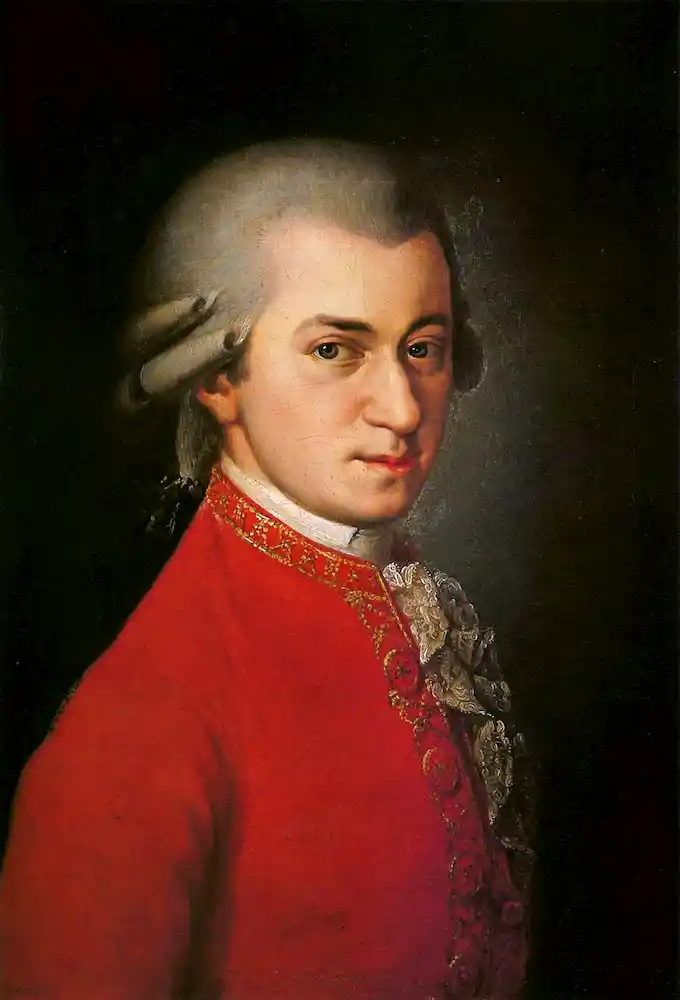
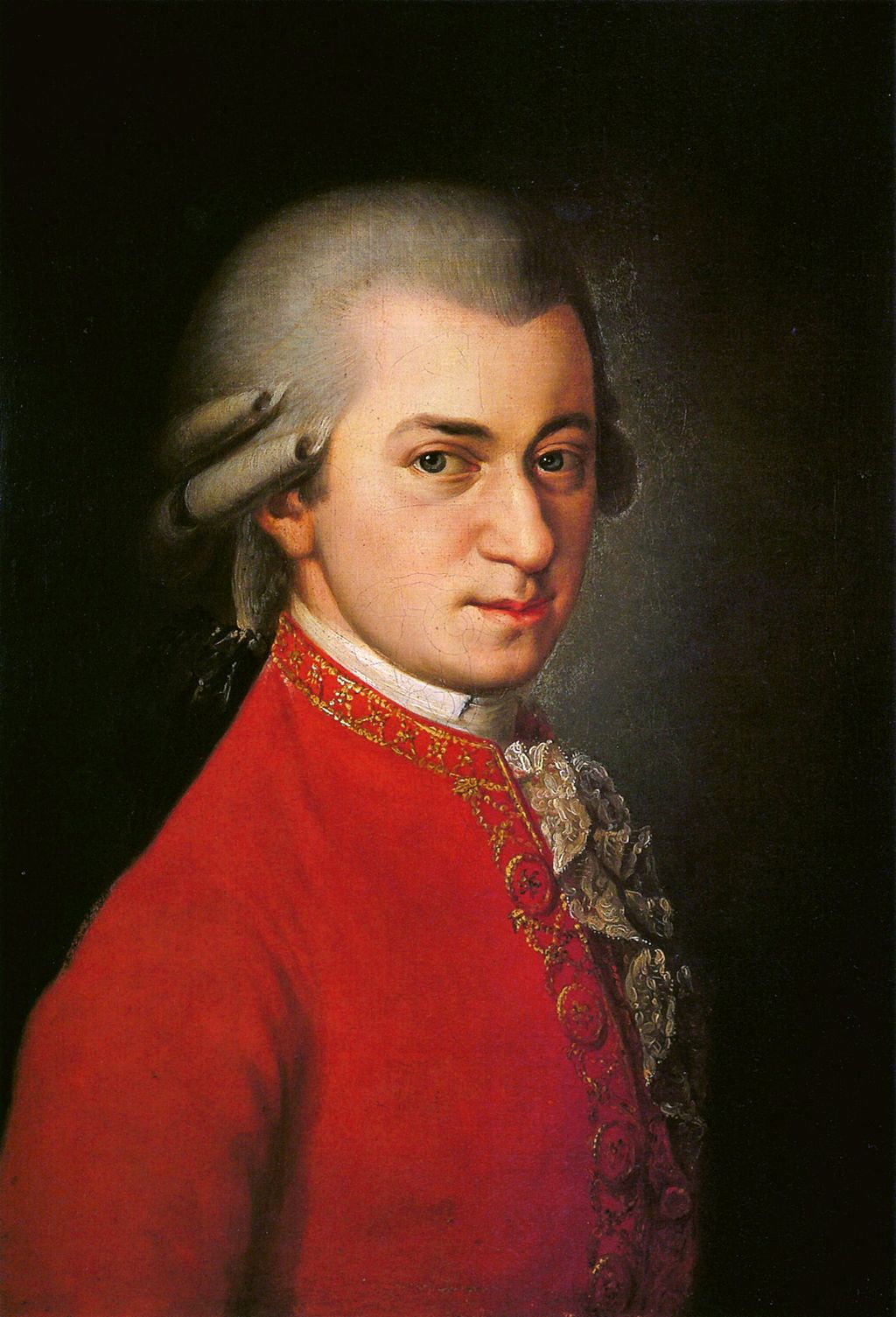
While in Munich during the winter of 1780-81 preparing for the premiere of Idomeneo, the 25-year-old Mozart fired off a series of letters to his father, Leopold, back in Salzburg. These letters provide a fascinating, and often amusing, glimpse into the practical struggles of an opera composer. He complained bitterly about the librettist, the court chaplain Giambattista Varesco, whose text he found long-winded and undramatic. “There is a veritable mountain of it!” he wrote, detailing the cuts and revisions he was demanding. He also despaired over the abilities of his principal singers, particularly the aging tenor Anton Raaff, who was 66 years old. “He is like a statue,” Mozart lamented, struggling to write music that was both impressive and within the veteran singer’s diminished capabilities. Yet, amidst these frustrations, there was one source of pure joy and inspiration: the orchestra. The Munich court had recently absorbed the legendary Mannheim Orchestra, widely considered the finest in Europe. Mozart was ecstatic. “I cannot tell you how delighted I am to be writing for these instruments,” he exclaimed. This excitement is palpable from the very first notes of the Idomeneo Overture, a work of symphonic ambition and dramatic power that unleashed the full force of this magnificent orchestra and announced Mozart’s arrival as a musical dramatist of the highest order.
New Genre, New Power
Idomeneo was a commission from Karl Theodor, the Elector of Bavaria, for the Munich carnival season. The chosen genre was opera seria, a highly formalized style of "serious opera" based on classical or mythological subjects. By the 1780s, the genre was often seen as old-fashioned, populated by stock characters and rigid musical conventions. However, influenced by the reformist ideals of composers like Christoph Willibald Gluck, Mozart saw an opportunity to breathe new life into the old form. He chose a story from Greek mythology—the tale of the Cretan king Idomeneo, who, to save himself from a storm at sea, vows to the god Neptune to sacrifice the first living creature he meets on land, only to be met by his own son, Idamante. This classic dramatic conflict allowed Mozart to explore profound human emotions: filial love, royal duty, romantic jealousy, and the terrifying power of fate. The opera became a turning point in his career, the moment he fully synthesized his melodic genius with a revolutionary sense of theatrical drama.
A Dramatic Prelude
The overture is far more than a festive piece to quiet the audience. It is an integral part of the dramatic fabric, a musical exposition of the opera's central conflicts. Cast in the heroic key of D major, it immediately establishes a tone of noble grandeur, but this nobility is constantly undermined by a powerful undercurrent of anxiety and turmoil. The music depicts both the external storm that shipwrecks the king and the internal storm raging within his soul. In a revolutionary gesture for its time, the overture does not come to a full, formal close. Instead, its final chords dissolve and lead seamlessly into the first scene of the opera, where the captive Trojan princess Ilia laments her fate. This technique breaks down the barrier between the overture and the opera, pulling the audience directly into the emotional world of the characters without pause.
Form and Majesty
The overture is structured in a broad and powerful sonata form. It opens without a slow introduction, instead launching immediately into a majestic, unison statement of the tonic D major arpeggio by the full orchestra. This is the theme of royalty, of Idomeneo’s noble stature. But this confident statement immediately gives way to a restless, pulsing accompaniment in the strings and quiet, sighing figures in the woodwinds. This duality is the key to the entire work: the conflict between the king’s outward majesty and his inner torment. The opening section is not one theme, but a series of related ideas—powerful tutti passages alternating with nervous, agitated string figures, creating a constant sense of instability.
The First Theme: Royal Decree and Raging Sea
The main thematic material of the exposition is remarkably rich. The powerful opening chords establish the opera’s grand, epic scale. This is followed by a driving, rhythmically charged passage in the strings, full of rushing sixteen-note scales that evoke the churning waves of the sea. Throughout this section, Mozart uses dramatic dynamic contrasts—sudden shifts from forte to piano—to create a feeling of breathlessness and anxiety. This is music in the Sturm und Drang ("Storm and Stress") style, a German artistic movement that prized intense, subjective emotion. The heroic, fanfare-like figures from the brass represent the king's public duty, while the swirling, chromatic string passages represent the chaotic, uncontrollable forces of nature and fate.
The Second Group: Lyrical Sorrow
After a powerful transition, the music moves to the dominant key of A major for the second thematic group. Here, the mood shifts to one of lyrical pathos. A beautiful, plaintive melody emerges in the woodwinds, particularly the clarinets and oboes, singing over a gentle string accompaniment. This theme represents the human element of the drama—the love between Idamante and Ilia, the sorrow of the king, and the vulnerability of mortals in the face of divine wrath. This section contains some of Mozart’s most expressive and beautiful orchestral writing to date, showcasing a new level of emotional nuance. Even here, however, the music is tinged with melancholy, a tender but tragic statement of the love that is threatened by the king’s terrible vow.
The Sound of the Mannheim Orchestra
Mozart took full advantage of the virtuosic ensemble at his disposal. The Mannheim Orchestra was famous for its discipline, its precision, and its dynamic range, particularly its powerful, sustained crescendos (the "Mannheim steamroller"). The Idomeneo Overture is a showcase for these effects. The string writing is brilliant and demanding, requiring immense stamina and agility. The woodwind section is treated not just as harmonic filler but as a chorus of individual soloists, with prominent and expressive lines for the flutes, oboes, and especially the clarinets, which were a permanent and celebrated feature of the Mannheim ensemble. The brass and timpani provide a foundation of heroic, martial power, reinforcing the music's epic, classical setting.
An Unresolved Fate: The Seamless Transition
The development section is concise but intensely dramatic, focusing on the tension-filled motives from the first theme and driving the music to a powerful climax. The recapitulation brings back the thematic material with even greater force, reinforcing the sense of inescapable fate. But it is the overture’s final moments that are its most forward-looking. Instead of a triumphant final cadence, the music winds down, the orchestral texture thins, and the harmony becomes uncertain. The overture ends quietly, on a series of pulsing chords in the strings that lead directly into the accompanied recitative of the first character to appear on stage. This linking of the overture to the opera proper was a masterstroke of musical dramaturgy, a technique that would later be used to great effect by composers like Ludwig van Beethoven and Richard Wagner. It announces that we are not merely watching a formal entertainment; we are being immersed in a continuous and unfolding human drama. Idomeneo’s overture is thus a monument of musical theatre, a work where the orchestra becomes a character in its own right, setting the stage, narrating the conflict, and embodying the soul of the tragedy.

Follow us : 


Sheet Music International - Copyright 2026 all rights reserved
| English: Sheet Music (PDF) | Free Scores | French: Sheet Music (PDF) | Free Scores | Greek: Sheet Music (PDF) | Free Scores |
| German: Sheet Music (PDF) | Free Scores | Spanish: Sheet Music (PDF) | Free Scores | Portuguese: Sheet Music (PDF) | Free Scores |
| Italian: Sheet Music (PDF) | Free Scores | Russian: Sheet Music (PDF) | Free Scores | Norwegian: Sheet Music (PDF) | Free Scores |
| Ukrainian: Sheet Music (PDF) | Free Scores | Polish: Sheet Music (PDF) | Free Scores | Dutch: Sheet Music (PDF) | Free Scores |