Your Request is under process, Please wait.

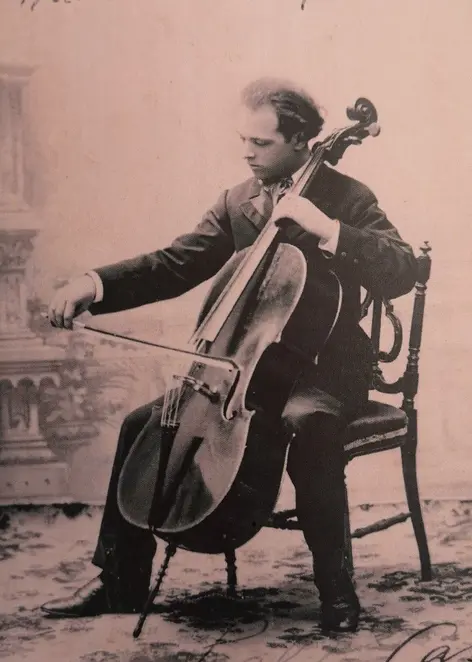
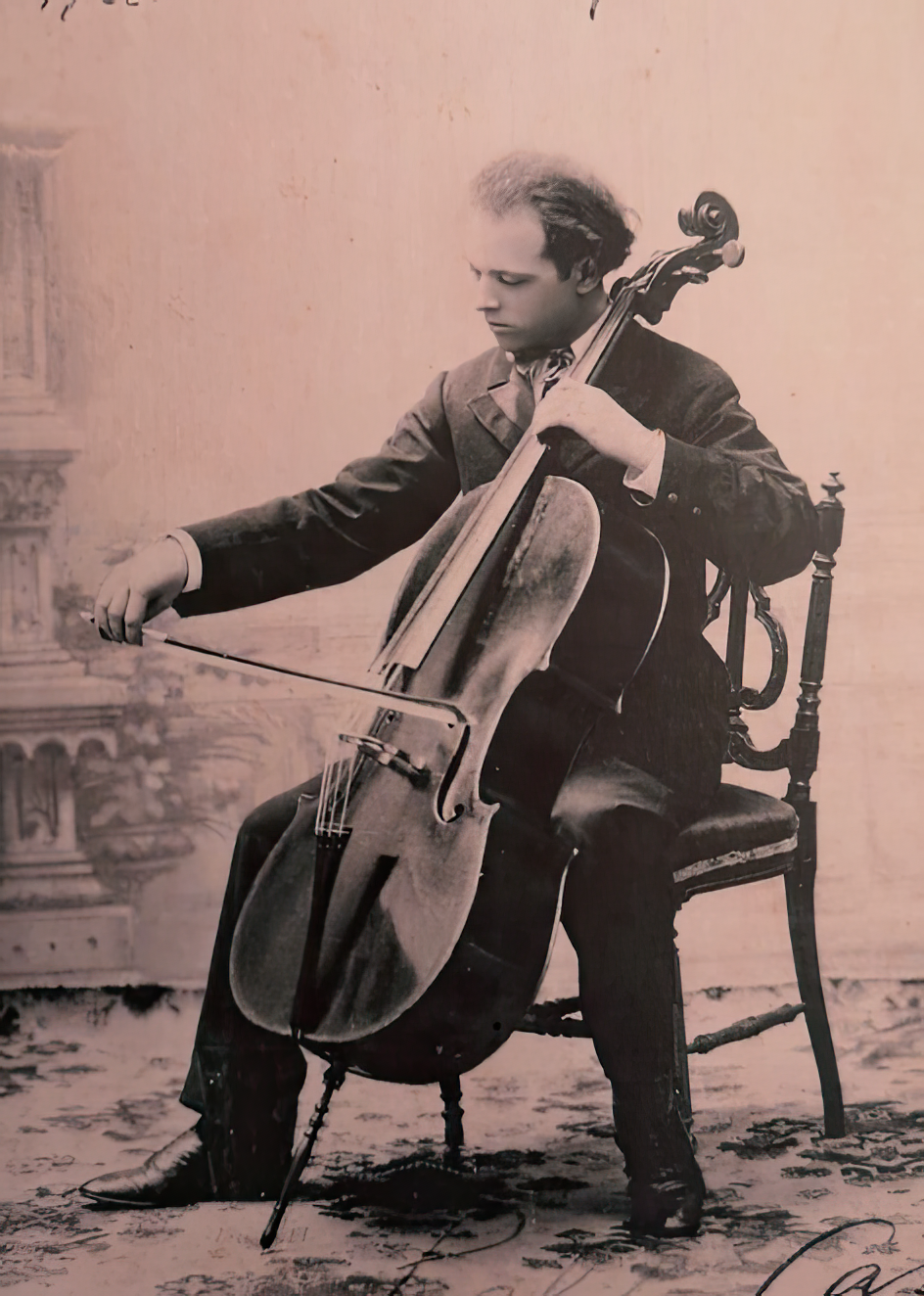
The Polonaise de Concert, Op. 14, by David Popper is more than just an exercise in virtuosity; it is a vibrant embodiment of the graceful aristocracy and rhythmic vitality of the Polish national dance, elevated for the concert stage. Composed early in Popper's career, this work established him not only as a preeminent cellist but as a composer with a profound understanding of the instrument's lyrical and brilliant capabilities.
The Polonaise is characterized by its distinct, tripartite rhythm—a stately quality punctuated by the signature rhythmic figure—making it instantly recognizable. Popper uses this form as a framework
...An Elegant and Enduring Cello Masterpiece in the Grand Tradition
David Popper, often hailed as the "Paganini of the Cello," was known for both his captivating performances and his prodigious output of works that advanced the instrument's technical art. While on one of his many extensive European tours, it is said that Popper once found himself seated next to a rather stern music critic at a grand Viennese soirée. The critic, known for his disdain of purely virtuosic "showpieces," remarked condescendingly, "Ah, Herr Popper, another frivolous little piece of mere acrobatics, I presume, the market demands such trifles." Popper, unfazed, simply smiled and replied, "Perhaps, but even the nimble flea must have a noble dog upon which to dance, and my dog, sir, is the spirit of the Polonaise." The ensuing performance of his Polonaise de Concert, Op. 14, with its blend of stately dignity and breathtaking technical finesse, reportedly left the critic stunned, forcing him to concede that in Popper's hands, even a dance could become a work of serious artistic merit. This piece, composed relatively early in Popper's career, indeed perfectly encapsulates that balance: a lighthearted form elevated by profound musicianship and dazzling skill.
The Polonaise Form: Stately Dance and Rhythmic Identity
The Polonaise is fundamentally a Polish dance form, traditionally performed by nobility at the opening of state functions. It is characterized by a moderate tempo and a distinctive rhythmic profile in triple meter (), marked by a recurring rhythm in the first two beats and a strong cadence on the third beat, often giving it a walking or processional feel. Composers like Frédéric Chopin had already immortalized the form for the piano, transforming it into a vehicle for patriotic expression and deep emotional complexity. Popper's contribution was to adapt this stately, aristocratic form for the cello, treating it as a Rondo or Trio form, where the main theme returns, interspersed with contrasting episodes. The choice of the Polonaise style allows Popper to explore a wide range of cello techniques—from singing lyricism in the trio to brilliant, articulated bowing in the main dance sections—all while maintaining the dance's inherent elegance and rhythmic backbone.
Introduction: The Setting of the Scene
The Polonaise de Concert opens with a concise, dramatic introduction, typically marked Maestoso (majestic). This section, usually driven by the piano or orchestra, immediately establishes a mood of formality and grand occasion. It is generally brief, serving the primary function of setting the initial key—often D minor—and preparing for the soloist’s entrance. The harmonic language is rich and firmly rooted in the late Romantic tradition, employing dramatic arpeggios and assertive chordal writing. This introductory flair quickly gives way, allowing the cello to take center stage. This structure is typical of 19th-century concert pieces, which often use a short, attention-grabbing flourish to transition into the main melodic material, instantly drawing the listener into the performance.
The Main Theme (A Section): Grace and Precision
The soloist enters with the principal theme, a gracefully articulated melody that perfectly captures the rhythmic spirit of the Polonaise. Marked Allegro con brio (fast with spirit) or similar, the main theme is instantly memorable and demands absolute precision and rhythmic clarity from the cellist. The melody is typically structured in periods that emphasize the characteristic meter and the specific rhythmic cell: a pattern of two shorter notes followed by a longer, accented third beat. Popper uses the lower and middle registers of the cello here, allowing the instrument’s naturally rich and resonant voice to carry the theme with dignity. Technically, this section requires crisp, well-defined bowing, ensuring that the dance rhythm remains clear without becoming aggressive. This primary theme will return several times throughout the piece, anchoring the structure.
First Episode (B Section): Lyricism and Contrast
Following the initial statement and repetition of the main theme, Popper introduces the first contrasting episode, or B section. This section often moves to a related key, such as the relative major (F major), and is marked by a sudden shift in mood and texture. The tempo may ease slightly, and the focus changes from rhythmic drive to lyricism. The cello is given a soaring, singing melody, often traversing the higher registers, requiring the cellist to employ a controlled vibrato and a smooth, sustained bow stroke. This melodic contrast highlights the cello’s ability to emulate the human voice—a quality Popper deeply admired and championed. This segment serves as a necessary emotional release from the stately rhythm of the Polonaise, providing the audience with a moment of romantic introspection before the return of the dance.
Return to the Main Theme (A Section)
The transition back from the lyrical B section is concise and purposeful, utilizing fast scale passages or arpeggios in the cello to build tension before the abrupt re-entry of the main Polonaise theme. This return is usually an exact or slight variation of the original material, reaffirming the rhythmic and thematic identity of the piece. It is a necessary structural device, reinforcing the Rondo or Trio format that Popper employs. The cellist must execute this transition with flair, signaling the return to the spirited dance with conviction and renewed energy.
The Trio (C Section): Technical Dazzle and Brilliance
The most spectacular contrasting section is the Trio, or C section. It is here that Popper reserves the most dazzling technical demands, fully justifying the title, "de Concert." This section often shifts to the major key and presents entirely new melodic material that acts as a launching pad for sheer virtuosity. The challenges typically include:
Rapid Scale and Arpeggio Passages: Fast, precise figures that span the entire range of the instrument, demanding exceptional left-hand dexterity and fluid shifting.
Double Stops and Harmonics: Intricate passages where the cellist plays two notes simultaneously or executes delicate natural and artificial harmonics, showcasing intonational perfection.
Articulated Bowing: Passages that require lightning-fast, highly articulated bowing techniques, such as spiccato or sautillé, often simulating the brilliant texture of orchestral strings or a folk fiddle.
Unlike the lyrical B section, the C section is all about spectacle and brilliance. It is designed to elicit excitement and admiration for the soloist’s command over the instrument. The rhythmic nature of the Polonaise is subtly maintained, even within these virtuosic passages, but the overall effect is one of unrestrained instrumental brilliance.
The Influence of Chopin and Liszt
Popper's decision to compose a Polonaise places him firmly within a line of Romantic composers who utilized national dances to create high-art music. The most important predecessor is undoubtedly Frédéric Chopin, whose magnificent Polonaises for piano established the gold standard for the genre, imbuing the dance with heroic, often tragic, patriotic weight. While Popper's work is lighter and more focused on instrumental flair than Chopin’s profound emotional depth, it shares the same structural framework and rhythmic identity. Similarly, the influence of Franz Liszt is felt in the work's theatricality and its episodic, rhapsodic approach to a set form. Popper, like Liszt, was a traveling virtuoso who understood the need for pieces that could captivate and astonish a large concert hall audience, blending technical difficulty with appealing melodic material. His Polonaise de Concert is a successful synthesis of Chopin's formal elegance and Liszt's virtuosic exhibitionism.
Coda: The Triumphant Conclusion
The piece concludes with a final, triumphant return to the main theme followed by a brilliant Coda. This final section is marked by a further acceleration of tempo (Più mosso) and increased energy. The cellist is often required to execute a final, dramatic flurry of scales, powerful chords, and maybe even a brief cadenza-like passage before the final, emphatic chord. The Coda serves to resolve the dramatic tension built up throughout the piece, ending the work on a note of exciting, conclusive triumph. It is a demanding finish that leaves a lasting impression on the listener, solidifying the work's place as a cornerstone of the cello's virtuoso repertoire.
The Legacy of Op. 14 in Pedagogy and Performance
The Polonaise de Concert, Op. 14, is mandatory listening and learning for any aspiring professional cellist. It perfectly prepares the student for larger, more demanding concerti by composers like Antonín Dvořák or Robert Schumann, as it necessitates mastery of crucial technical elements: controlled high-register playing, precise off-string bowing, and a seamless coordination between technical demands and musical phrasing. Alongside his renowned etudes, Popper's Op. 14 stands as a testament to his central role in defining modern cello technique and repertoire. It is a piece that, while offering a delightful six to eight minutes of music for the audience, offers a lifetime of technical and interpretive challenges for the performer, ensuring its sustained popularity on concert programs around the world.
Follow us : 


Sheet Music International - Copyright 2025 all rights reserved
| English: Sheet Music (PDF) | Free Scores | Français: Partitions (PDF) | Musique gratuite | Ελληνικά: Παρτιτούρες (PDF) | Δωρεάν μουσική |
| Deutsch: Noten (PDF) | Kostenlose Partituren | Español: Partituras (PDF) | Música impresa | Português: Partituras (PDF) | Música gratuita |
| Italiano: Spartiti (PDF) | Partiture musicali | Русский: Ноты (PDF) | Бесплатные партитуры | Norsk: Noter (PDF) | Gratis noter |
| Українська: Ноти (PDF) | Безкоштовні партитури | Polski: Nuty (PDF) | Darmowe nuty | Nederlands: Bladmuziek (PDF) | Gratis partituren |