Your Request is under process, Please wait.

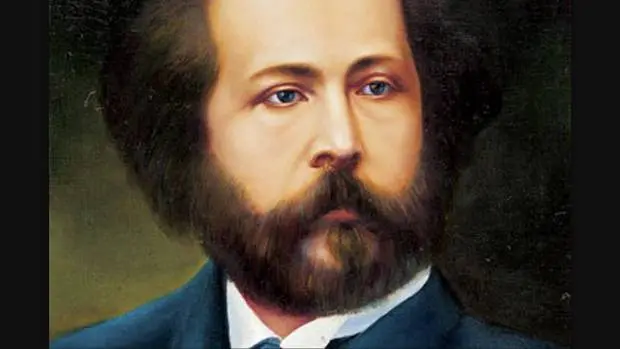
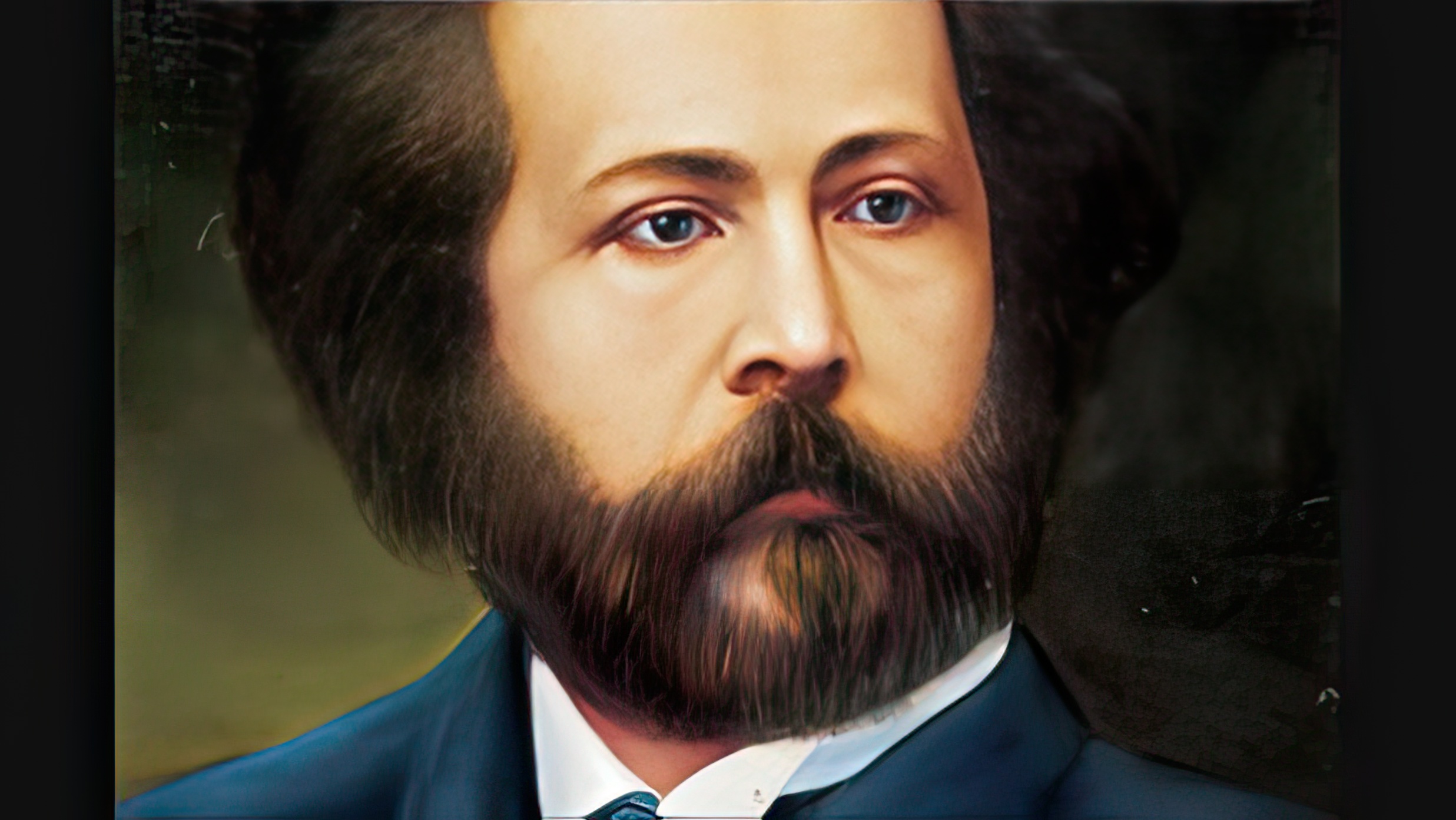
For much of his life, Édouard Lalo was one of Paris’s most overlooked composers, a serious and disciplined artist in an age that often prized flashy showmanship above all else. That all changed in 1874, when Lalo, already in his fifties, had his career-making breakthrough with his Violin Concerto in F Major. The work’s champion was none other than the legendary Spanish virtuoso, Pablo de Sarasate, who gave the work a brilliant and triumphant premiere. Lalo had crafted the concerto as a perfect vehicle for Sarasate’s powerful and elegant playing, combining fiery, virtuosic passages with melodies of sublime, lyrical
...Virtuosic Fire and Lyrical Elegance
In the early 1870s, Édouard Lalo was a highly respected but largely obscure composer struggling to make his mark on the Parisian musical scene. All of that changed thanks to a single work and a fateful friendship. The friend was the legendary Spanish violin virtuoso Pablo de Sarasate, and the work was the magnificent Violin Concerto in F Major, Op. 20. Composed in 1873, this concerto was the key that unlocked Lalo’s career, a work of such brilliance, passion, and lyrical beauty that its triumphant premiere immediately catapulted the 51-year-old composer to fame. While it has since been somewhat overshadowed by the exotic flair of his famous Symphonie Espagnole, the F major concerto remains a powerful and deeply rewarding masterpiece, a perfect fusion of virtuosic fire and elegant, heartfelt lyricism.
A Late Blooming Career
Lalo was a famously "late bloomer. " He spent years toiling in relative obscurity as a violist and chamber musician, composing serious works that were often at odds with the light, opera-dominated tastes of Paris. His friendship with the young, charismatic Sarasate proved to be the turning point. In Sarasate, Lalo found a performer with the technical brilliance and artistic temperament to bring his demanding and passionate music to life. He composed this concerto specifically for Sarasate, tailoring its virtuosic challenges and lyrical melodies to the great violinist’s unique talents.
French Elegance, German Structure
While Lalo was a quintessentially French composer, with a gift for elegant melodies and clear, brilliant orchestration, his musical training was deeply rooted in the German tradition of Beethoven and Schumann. Unlike many of the flashy but superficial French and Belgian virtuoso concertos of the time, Lalo’s work is built on a foundation of strong, classical logic. It is a serious, three-movement work in the grand tradition of the great German violin concertos, a piece that balances its brilliant solo display with a powerful and coherent symphonic argument. This combination of French color and German substance gives the concerto its unique and compelling character.
First Movement: Allegro moderato
The concerto opens with a powerful and heroic statement. The orchestra presents the main themes in a grand exposition before the solo violin makes its dramatic entrance. The solo part is a masterful blend of the heroic and the lyrical. It is filled with brilliant and demanding passagework—powerful chords, rapid scales, and brilliant arpeggios—but also features moments of exquisite melodic beauty. The movement unfolds in a traditional and powerfully constructed sonata form, a brilliant and dramatic opening to this grand work.
Second Movement: Andante
The slow movement is a beautiful and deeply expressive "romance" in 9/8 time. After a brief and solemn introduction from the orchestra, the solo violin enters with a long, beautiful, and intensely lyrical melody. It is a song without words, full of a gentle, almost melancholy, tenderness. The orchestration is delicate and transparent, creating an intimate, almost chamber-like, atmosphere that allows the violin’s singing tone to soar. It is a moment of pure, heartfelt poetry, a perfect showcase for the expressive, lyrical side of the soloist's art.
Third Movement: Finale – Allegro con fuoco
The Finale is a brilliant and exhilarating conclusion, marked Allegro con fuoco (fast, with fire). It is a saltarello, a lively and energetic Italian folk dance. The movement is a tour de force of rhythmic vitality and virtuosic display. The solo violin part is relentlessly brilliant, a whirlwind of rapid passagework that demands flawless technique from the performer. The mood is one of triumphant, almost breathless, excitement. After a brief, more lyrical central section, the fiery saltarello rhythm returns to drive the concerto to a powerful and spectacular close.
The Paving Stone to Greater Fame
The premiere of the Violin Concerto was a triumph for both Lalo and Sarasate. It firmly established Lalo as a major composer and led directly to the commission of the even more famous work that would secure his immortality, the Symphonie Espagnole, which he composed for Sarasate the very next year. While it may not be performed as often as its Spanish sibling, the Violin Concerto in F Major is in no way a lesser work. It is a powerful, passionate, and beautifully crafted concerto that stands as a cornerstone of the French Romantic violin repertoire and a testament to the friendship that launched a great composer's career.
Follow us : 


Sheet Music International - Copyright 2025 all rights reserved
| English: Sheet Music (PDF) | Free Scores | Français: Partitions (PDF) | Musique gratuite | Ελληνικά: Παρτιτούρες (PDF) | Δωρεάν μουσική |
| Deutsch: Noten (PDF) | Kostenlose Partituren | Español: Partituras (PDF) | Música impresa | Português: Partituras (PDF) | Música gratuita |
| Italiano: Spartiti (PDF) | Partiture musicali | Русский: Ноты (PDF) | Бесплатные партитуры | Norsk: Noter (PDF) | Gratis noter |
| Українська: Ноти (PDF) | Безкоштовні партитури | Polski: Nuty (PDF) | Darmowe nuty | Nederlands: Bladmuziek (PDF) | Gratis partituren |