Regal Grandeur and Rustic Humor
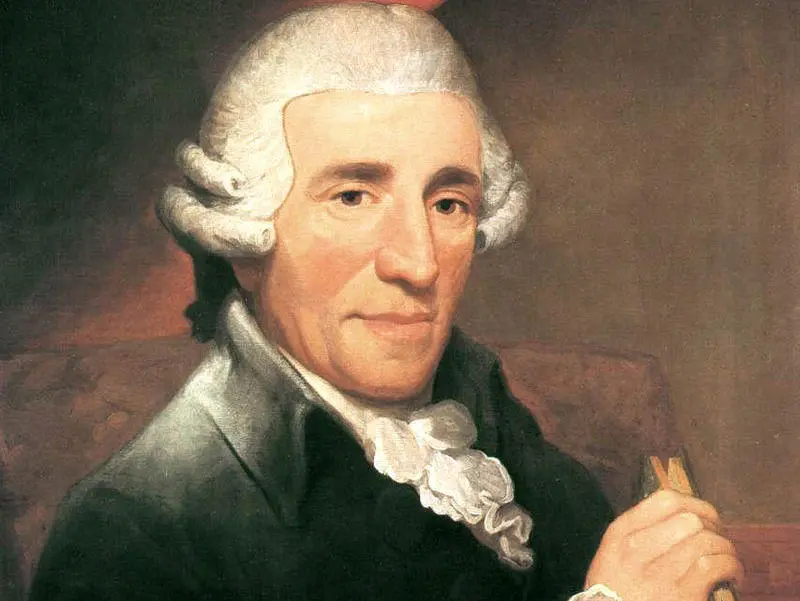
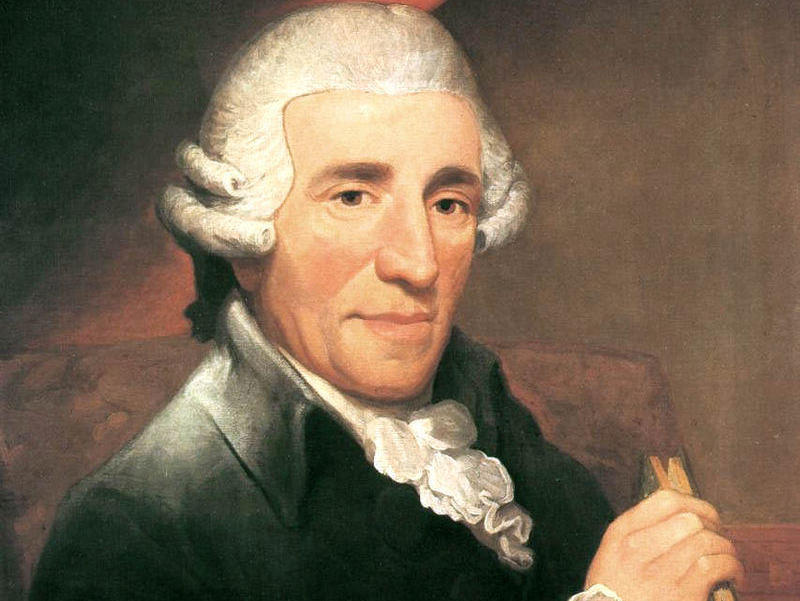
By the 1780s, the name Joseph Haydn was synonymous with musical genius across the European continent. Though still in the service of the Esterházy family, his fame was such that he received a grand commission from the Concert de la Loge Olympique in Paris, a prestigious concert society with one of the largest and finest orchestras of the day. For this new and sophisticated audience, Haydn composed a set of six magnificent "Paris" Symphonies. The first of these, No. 82 in C Major, served as his brilliant opening statement. It is a work of immense power, festive grandeur, and ceremonial splendor, but it is also infused with the composer's trademark wit. Its famous nickname, "L'Ours" (The Bear), was lovingly bestowed by the Parisian public, who were delighted by the finale's humorous, growling bass drone, reminding them of the music for a dancing bear. The symphony is a masterpiece of Haydn’s mature style, a perfect blend of majestic sophistication and good-humored, rustic charm.
The "Paris" Symphonies: A New Stage
The commission for the "Paris" Symphonies marked a new chapter in Haydn's career. He was no longer writing for a small, private court orchestra but for a massive ensemble of over 40 violins and a large complement of wind players. This new, powerful instrument allowed him to compose on a grander scale than ever before. The Paris Symphonies are characterized by their brilliant orchestration, their rich textures, and a majestic, almost monumental, power. Symphony No. 82, in the festive key of C major with trumpets and drums, immediately announced to the Parisian public that they were in the presence of a master of the grand style.
The Origin of the "Bear"
The nickname, like most attached to Haydn's symphonies, did not come from the composer. It arose after the Paris premiere and refers exclusively to the final movement. The Vivace finale features a recurring low, sustained "drone" note in the cellos and basses that has a distinct, bagpipe-like quality. To the Parisian audiences of the 1780s, this sound was comically reminiscent of the music played by street performers to accompany the lumbering steps of a trained dancing bear. This humorous association stuck, and the symphony has been known as "The Bear" ever since.
First Movement: Vivace assai
The symphony opens with a brilliant and powerful Vivace. The first theme is a bold, almost regal statement, built on a simple rising C-major chord that is passed between the different sections of the orchestra. A sense of immense energy and splendor permeates the entire movement. Haydn uses the large orchestra to create a sound of thrilling weight and brilliance, with the brass and timpani providing powerful punctuation. The movement is a masterclass in the monothematic sonata form Haydn perfected, where the second theme is a clever variation of the first.
Second Movement: Allegretto
The slow movement is a graceful and elegant set of double variations. The key shifts to F major, and the trumpets and timpani fall silent, creating a more intimate, chamber-like atmosphere. The first theme is a simple, almost naïve melody in F minor, full of a gentle, poised melancholy. This is contrasted with a second, more lyrical theme in F major. Haydn then proceeds to vary these two themes in turn, decorating them with delicate ornamentation and showcasing the beautiful tone of the wind instruments. It is a movement of supreme grace and effortless charm.
Third Movement: Menuetto e Trio
The Minuet returns to the bright key of C major and the symphony's grand, ceremonial character. It is a robust and stately dance, full of powerful rhythms and majestic orchestral gestures. Its character is formal and powerful, a true courtly dance befitting a royal occasion. The central Trio section provides a lighter, more rustic contrast. It features a charming, folk-like melody, highlighting the woodwinds over a simple string accompaniment. It is a moment of pastoral ease before the grand Minuet returns to conclude the movement.
Fourth Movement: Finale – Vivace
This is the famous "Bear" finale. The movement bursts to life with a sense of boisterous, rustic energy. After a brief, fanfare-like introduction, the violins present the lively, folk-like main theme over the famous low, sustained drone in the basses and cellos. The effect is irresistibly humorous and charming. The entire movement is a whirlwind of activity, a brilliant rondo that alternates the main "bear dance" theme with contrasting episodes. It is a tour de force of orchestral brilliance and good humor, bringing the symphony to a joyful and unforgettable conclusion.
A Triumphant Parisian Debut
Symphony No. 82, "The Bear," was a triumphant success and the perfect work to introduce Haydn's genius to the Parisian public. Its combination of regal splendor, sophisticated craftsmanship, and irresistible, rustic humor captivated its new audience. It remains one of the most beloved of all his symphonies, a timeless masterpiece that showcases the grand scale of his late style while never losing the witty and humane touch that makes his music so eternally appealing.