Your Request is under process, Please wait.

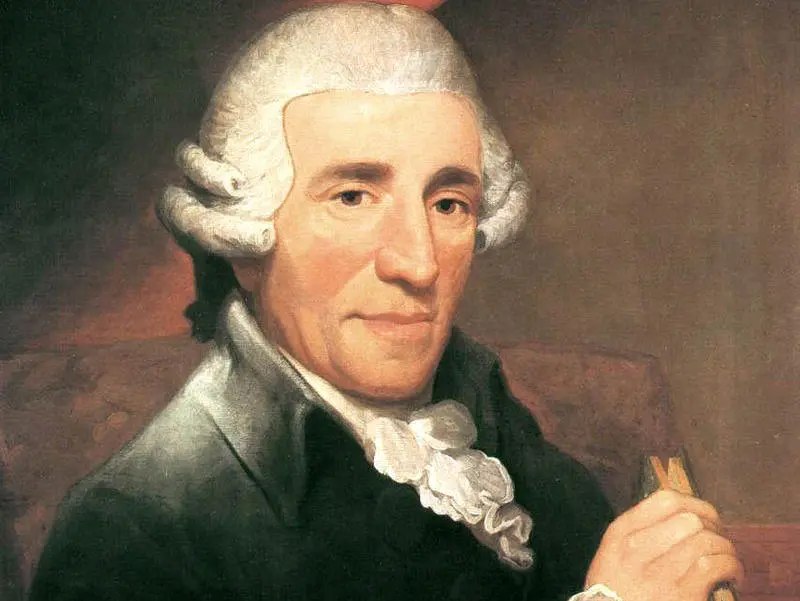
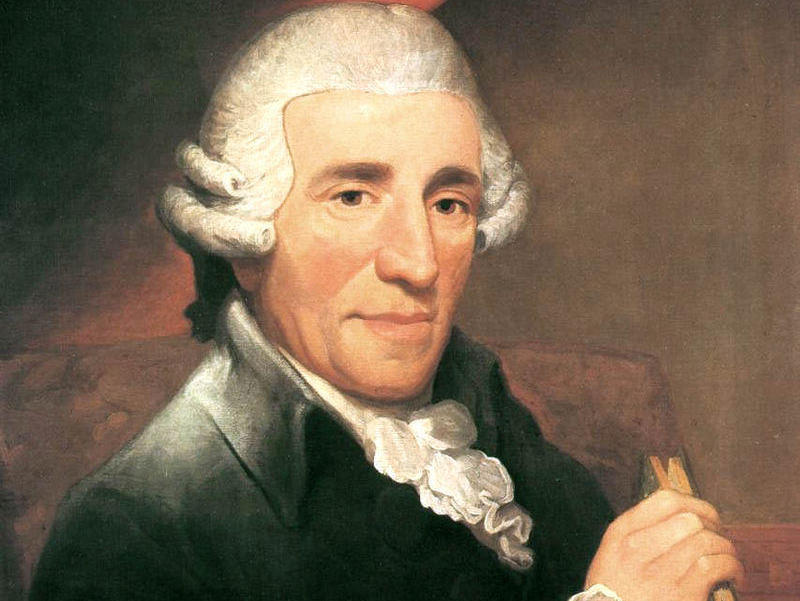
In the late 1760s, a fiery and intensely emotional new style known as Sturm und Drang ("Storm and Stress") swept through the arts, and no composer channeled its theatrical energy more powerfully than Joseph Haydn. A quintessential example of this period is his Symphony No. 26 in D minor, "Lamentatione. " Composed around 1768 for performance during Holy Week, this is no ordinary symphony. From its breathless, syncopated opening, the music is filled with a sense of high drama and spiritual anguish. Haydn’s genius here was to create an instrumental passion play, a symphony that tells the story of Christ’s
...Sacred Drama and Symphonic Fire
In the late 1760s and early 1770s, Joseph Haydn’s music took a sharp turn toward the dramatic, the turbulent, and the intensely personal. This period, known as his Sturm und Drang ("Storm and Stress") phase, saw him penning a series of minor-key symphonies that replaced courtly elegance with raw, visceral emotion. Among the most powerful of these is Symphony No. 26 in D minor, "Lamentatione. " Composed around 1768, likely for the solemn observances of Holy Week at the Esterházy court, this work is a stunning fusion of sacred tradition and modern theatricality. Haydn masterfully embeds ancient Gregorian chant melodies associated with the Passion of Christ directly into the symphonic structure, creating a wordless instrumental drama of profound anguish and spiritual depth. It is a work of startling originality and one of Haydn's most compact and emotionally concentrated symphonic statements.
Sturm und Drang: A New Emotional Landscape
Sturm und Drang was a proto-Romantic literary movement in Germany that prized subjective emotion and dramatic turmoil over the rationalism of the Enlightenment. In music, this translated into a style characterized by a preference for minor keys, driving rhythms, jarring syncopations, extreme dynamic contrasts, and an overall sense of heightened emotional intensity. Composers like the sons of J.S. Bach, particularly Carl Philipp Emanuel Bach, were pioneers of this expressive style. Haydn, in his relative isolation at Eszterháza, developed his own powerful take on it, and "Lamentatione" stands as one of his most potent and personal expressions of this new, emotionally charged language.
Music for Holy Week
The symphony’s connection to Holy Week is not speculative. The chant melodies Haydn uses were well-known to his audience and were specifically associated with the liturgical readings of the Passion story. By incorporating these melodies, Haydn was able to evoke the narrative of Christ's suffering and crucifixion without a libretto. The symphony likely served as incidental music during the services, its movements perhaps interspersed between readings or played as a prelude to the Easter celebrations. This liturgical function explains its unusual structure and its deeply somber and dramatic character.
First Movement: Allegro assai con spirito
The symphony erupts with a breathless, agitated theme in the violins, characterized by nervous syncopations that create an immediate sense of anxiety and turmoil. This fiery opening is soon answered by a completely contrasting second theme: a slow, solemn Gregorian chant melody played by the second oboe. This is the "Lamentation" theme from which the symphony gets its name. The juxtaposition of these two ideas—the modern, agitated symphonic theme and the ancient, serene plainchant—is the core dramatic device of the movement. It creates a powerful tension, as if the turmoil of the present is being commented upon by a timeless, sacred voice.
Second Movement: Adagio
The slow movement is a masterpiece of pathos and intimacy. The key shifts to F major, providing a brief respite from the darkness of D minor. The structure is again built on a contrast between two distinct ideas. The strings present a graceful, almost serene theme in a Siciliano-like rhythm. This is juxtaposed with the second theme, another authentic plainchant melody associated with the Passion, intoned plaintively by the first oboe. The movement functions as a profound meditation on sorrow, with the beautiful string melody providing a lyrical, human response to the sacred grief embodied by the chant. The scoring is delicate and transparent, creating a chamber-like intimacy.
Third Movement: Menuetto e Trio
The symphony concludes not with a brilliant, fast finale, but with a stark and severe Minuet. This is no elegant courtly dance; it is grim, powerful, and relentless. The use of stark unisons and canons (where one voice imitates another) gives the movement an archaic, almost medieval feel, linking it stylistically to the ancient chants used earlier. The central Trio section provides only a fleeting moment of relief. The oboes and horns present a slightly gentler, chorale-like melody, but the underlying mood of solemnity remains. The symphony ends with this austere and somewhat unsettling dance, offering no easy resolution or triumphant conclusion. This abrupt, unconventional ending is a key feature of Haydn's Sturm und Drang style, leaving the listener in a state of unresolved tension that is both powerful and thought-provoking.
An Unconventional Masterpiece
Symphony No. 26, "Lamentatione," is a bold and fascinating work. Its fusion of the sacred and the secular, its emotionally raw language, and its unconventional three-movement structure make it a standout in Haydn's vast symphonic output. It is a powerful testament to his genius as a musical dramatist and his ability to pour profound spiritual and emotional depth into the still-evolving form of the symphony. More than just a historical curiosity, "Lamentatione" remains a deeply moving and intensely dramatic listening experience.
Follow us : 


Sheet Music International - Copyright 2025 all rights reserved
| English: Sheet Music (PDF) | Free Scores | Français: Partitions (PDF) | Musique gratuite | Ελληνικά: Παρτιτούρες (PDF) | Δωρεάν μουσική |
| Deutsch: Noten (PDF) | Kostenlose Partituren | Español: Partituras (PDF) | Música impresa | Português: Partituras (PDF) | Música gratuita |
| Italiano: Spartiti (PDF) | Partiture musicali | Русский: Ноты (PDF) | Бесплатные партитуры | Norsk: Noter (PDF) | Gratis noter |
| Українська: Ноти (PDF) | Безкоштовні партитури | Polski: Nuty (PDF) | Darmowe nuty | Nederlands: Bladmuziek (PDF) | Gratis partituren |