A Postcard from Valencia: Emmanuel Chabrier’s España
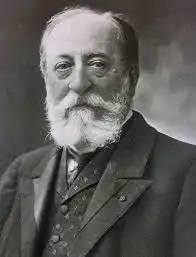
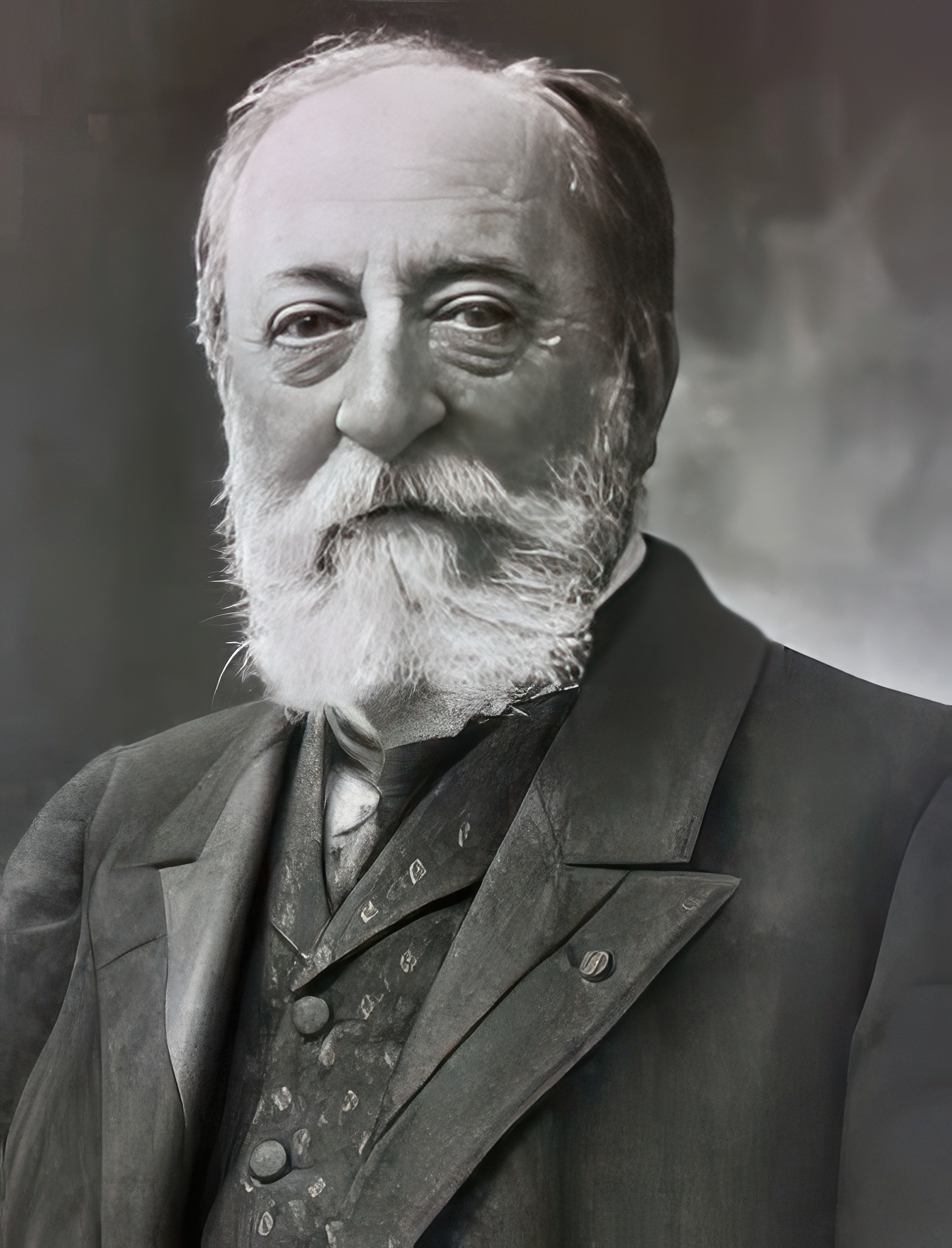
Some of the most serious and revolutionary figures in music history were, in person, anything but. Such was the case with Emmanuel Chabrier, a jovial, witty, and profoundly un-bohemian Frenchman who spent most of his professional life as a civil servant in the Ministry of the Interior. He was a man of hearty appetites and infectious laughter, a fixture in the artistic circles of Paris, and a brilliant composer whose work, beneath its joyful surface, would profoundly influence giants like Debussy, Ravel, and Stravinsky. The piece that shot him to fame and forever captured his exuberant spirit is España, a work that is less a formal rhapsody and more the most exhilarating postcard ever sent.
The story begins in 1882, when Chabrier, finally free from his bureaucratic duties, embarked on a four-month tour of Spain with his wife. He was utterly captivated. He didn't just observe the culture; he threw himself into it, attending bullfights, furiously scribbling down folk tunes in cafes, and attempting to master the intricate rhythms of the local dances. His letters back home bubble over with excitement. He wrote of the "gitanas of Málaga and Cádiz" who "make your head spin with their wriggling," and of the "intoxicating" rhythms that he felt compelled to capture on paper.
Upon his return to Paris, he set about transforming these vibrant memories into music. Originally conceived for two pianos, the piece was soon orchestrated at the suggestion of his friend, the conductor Charles Lamoureux. Chabrier, a master of orchestral color, unleashed the full force of the modern orchestra to recreate the sun-drenched, percussive energy of Spain. The result was España, a compact, six-minute explosion of pure joy.
The premiere, on November 4, 1883, was a sensation. The normally reserved Parisian audience was swept up in the work's unstoppable momentum and brilliant orchestration. They demanded an immediate encore, and Chabrier became famous overnight. One of the most telling anecdotes comes from the composer himself. At the end of the wildly successful performance, the delighted Lamoureux turned to Chabrier and declared, “This is a masterpiece!” to which the ever-practical composer, who had struggled for recognition for so long, simply replied, “And it will feed my children!”
España is not a direct transcription of any single tune, but a brilliant mosaic of Spanish musical idioms. It is built primarily on two contrasting folk melodies: a fiery, swirling jota from Aragon and a sensual, lyrical malagueña from Andalusia. Chabrier masterfully weaves these tunes through a dazzling orchestral tapestry. The brilliant trumpet fanfares, chattering woodwinds, swooning strings, and, most importantly, the kaleidoscopic array of percussion—castanets, tambourine, cymbals, and triangle—all combine to create an almost photorealistic impression of a Spanish festival.
The work’s influence was immense. A young Gustav Mahler declared it "the beginning of modern music," and composers across Europe were stunned by its vibrant, audacious use of orchestral color. It practically invented the genre of the Spanish-themed orchestral showpiece. Before you is a work of pure, unadulterated pleasure, a musical snapshot from a composer whose zest for life bubbles through every note. It is the sound of a man falling head over heels in love with Spain, and inviting us all to join the fiesta.