“Libiamo ne’ lieti calici” (from La traviata, 1853) The Drinking Song
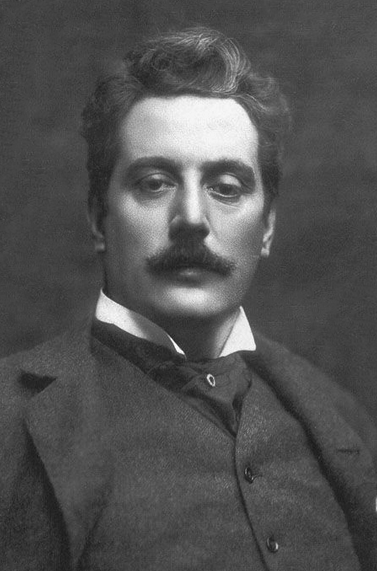
Giuseppe Verdi (1813-1901)
There are few scenes in opera as infectiously joyous as the opening of Verdi’s masterpiece, La traviata. Before the heartbreak, the sacrifice, and the tragedy, there is a party. And at the heart of that party is “Libiamo ne’ lieti calici,” a spectacular toasting song, or brindisi, that has become the world’s quintessential anthem for champagne-fueled celebration.
The curtain rises on the lavish Parisian salon of Violetta Valéry, the most beautiful and sought-after courtesan in the city. Her parties are legendary, but tonight’s glittering affair is a mask. Violetta has been suffering from tuberculosis, and the frantic gaiety is her attempt to convince both her guests and herself that she is well, that life is still a dizzying whirl of pleasure.
Among the guests is a new face, Alfredo Germont, a young man from a respectable family who has been in love with Violetta from afar for over a year. While others see her as a dazzling object, he sees the woman beneath the glamorous facade. Prodded by the other guests to offer a toast, the normally shy Alfredo seizes his moment to impress her.
This is “Libiamo.” Set to an irresistible waltz rhythm, the song begins with Alfredo raising his glass. His toast is an ardent, sincere ode to the delights of wine, laughter, and love—the “sweet thrill” that awakens the heart. He sings directly to Violetta, his words full of youthful passion and romantic idealism.
Violetta, ever the brilliant hostess, playfully takes up the same melody for her response. Her verse, however, carries a different message. A seasoned realist hardened by her profession, she dismisses the notion of faithful love and sings instead only of the fleeting pleasure of the moment: “Let’s enjoy ourselves, for love is a fleeting flower that is born and dies.” It is a carpe diem philosophy born of cynicism and self-preservation.
This subtle clash of worldviews—Alfredo’s earnest belief in love versus Violetta’s defense of fleeting pleasure—is momentarily swept away as the entire party joins in, transforming the duet into a glorious, full-throated chorus. The music sparkles and soars, creating an exhilarating wave of sound that perfectly captures the hedonistic energy of the party.
But beneath the glittering surface lies Verdi’s dramatic genius. The entire scene is drenched in irony. We are watching a woman who knows she is dying sing about seizing the day, and we hear a toast to a future romance that is, for her, almost certainly impossible. This effervescent waltz is the deceptive calm before the storm, the last brilliant flash of light before the tragic story unfolds.
It’s amusing to note that for all its current popularity, La traviata was a spectacular failure at its 1853 premiere. The soprano playing the frail, consumptive Violetta was, by all accounts, a rather robust woman, and the audience reportedly met her coughing fits and tragic death with derisive laughter. Verdi, however, knew what he had created. After a few revisions, the opera re-emerged a year later and quickly became what it is today: one of the most moving and beloved works in the entire operatic canon, with “Libiamo” as its unforgettable, celebratory opening salvo.