Your Request is under process, Please wait.

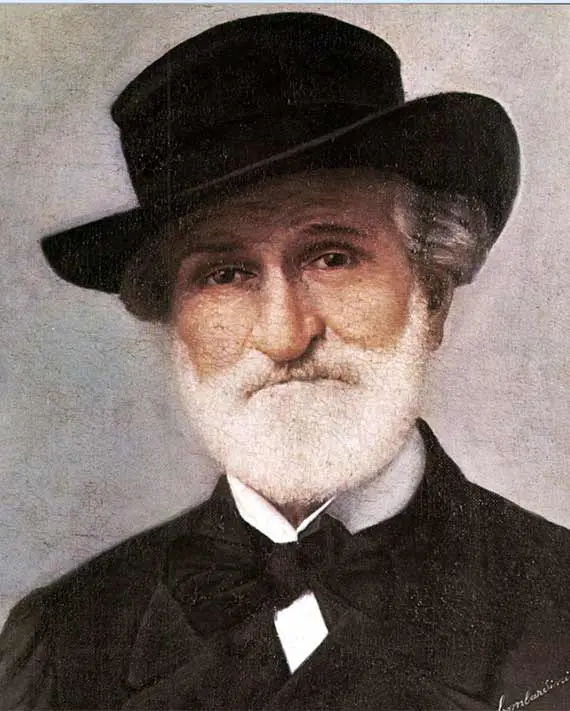
Giuseppe Verdi’s Il Trovatore (The Troubadour) is the red-hot center of his "middle period" trilogy, standing proudly between the psychological darkness of Rigoletto and the intimate tragedy of La Traviata. Premiering in Rome in 1853, it was an immediate and overwhelming triumph, an opera of such raw, visceral power and white-hot melodic invention that it cemented Verdi’s status as the undisputed king of Italian opera.
The opera’s libretto, based on a lurid Spanish melodrama, is famously convoluted—a tangled web of switched babies, duels, secret identities, and a gypsy’s burning curse. But Verdi, with his supreme theatrical instinct, saw past the
...
Blood, Thunder, and Unstoppable Melody
For an amusing anecdote about Il Trovatore, one need only look at its creator. When the librettist Salvadore Cammarano sent Verdi a draft, Verdi complained that it wasn’t strange or bold enough. He wanted more fire, more darkness, more death. This was the mindset of a composer at the absolute height of his powers. He had just written Rigoletto and was in the process of composing La Traviata. Il Trovatore was the explosive, fiery center of this unparalleled burst of creativity. The plot is a notoriously complex Spanish melodrama, and for decades, critics have mocked its story of switched babies, warring brothers, and gypsy curses. The great tenor Enrico Caruso famously joked that all Il Trovatore needed was the four greatest singers in the world, and he was right. But Verdi was not interested in realism; he was interested in primal emotion. He and Cammarano crafted an opera that is less a narrative and more a series of stunning, emotionally charged tableaux. It is a raw, gothic, and elemental masterpiece.
The Spanish Romantic Source
The opera is based on the play El Trovador by Antonio García Gutiérrez, a prime example of Spanish Romanticism. This school of drama reveled in the grotesque, the supernatural, the medieval, and the passionate. It was a world of absolute emotions: total love, obsessive jealousy, and all-consuming vengeance. The play provided Verdi with a perfect set of archetypes: the noble troubadour hero, the pure and virtuous maiden, the cruel and obsessive baritone rival, and, most importantly, the dark, brooding figure of the gypsy. The librettist Cammarano, a master of the form, compressed this sprawling play into a series of stark, high-impact confrontations, providing Verdi with the verbal triggers for his musical explosions.
A New "Singer's Opera"
While older operas, particularly those of Gioachino Rossini, were called "singer's operas" because of their vocal acrobatics, Verdi redefines the term. Il Trovatore is a singer's opera because of the sheer vocal power and emotional stamina it demands. It established the four-voice archetype that would dominate grand opera: the heroic spinto tenor, the dramatic soprano, the "Verdi baritone," and the dramatic mezzo-soprano. Each role is a "killer," demanding a voice of immense size, range, and expressive color. The opera is less a balanced ensemble piece and more a four-way heavyweight championship, with each principal singer given show-stopping moments to define their character through vocal force.
The Tinta: Fire, Vengeance, and Night
The tinta, or unique dramatic color, of Il Trovatore is one of dark, fiery, and almost obsessive intensity. The entire opera is haunted by two events, both involving fire: the burning of Azucena's mother at the stake, and Azucena's subsequent, horrific act of throwing her own child into the flames. Fire is the opera's central image and motive. The music reflects this. It is filled with driving, martial rhythms, stark, minor-key melodies, and sudden, violent orchestral outbursts. This is contrasted with the darkness and stillness of the night, the setting for all the opera’s most romantic and tragic moments: Leonora's first aria, her attempted entry into the convent, and her final, poisoned death.
Azucena: The Opera's True Protagonist
While Manrico is the title character, the opera’s true dramatic and psychological engine is the gypsy Azucena. She is one of Verdi’s most brilliant and groundbreaking creations. She is not a secondary character; she is the fulcrum on which the entire tragedy pivots. Her music is unlike anything that came before. It is not the music of a conventional heroine or villain. It is fragmented, obsessive, and raw, characterized by sudden leaps, hollow, low-register passages, and hypnotic, repeating phrases. Her great aria, Stride la vampa (The flames are roaring), is not a lyrical melody but a haunted, rhythmic recollection of her trauma. She is a woman living in two worlds simultaneously: the present, where she has a mother's love for Manrico, and the past, where she is completely possessed by her mother’s dying cry, Mi vendica! (Avenge me!). This internal conflict makes her one of the most complex and modern characters Verdi ever created.
Manrico: The Troubadour Hero
Manrico is the quintessential romantic hero. He is a poet (the troubadour), a warrior (Urgell's chieftain), and a dutiful son. His music reflects this heroic, and somewhat uncomplicated, nature. His offstage serenade in Part I, Deserto sulla terra (Deserted on the earth), is pure, lyrical romance. His music with Leonora is tender, but his music on the battlefield is heroic. He is most famous for the blistering cabaletta Di quella pira (Of that pyre). Hearing that Azucena is to be burned at the stake, he launches into this short, explosive aria. It is the very definition of heroic, spinto tenor singing: a primal, high-octane cry of filial duty and rage, traditionally crowned by a thrilling, unwritten high C.
Leonora: The Embodiment of Bel Canto
Leonora is the opera’s figure of light, purity, and idealized love. Her music is the most rooted in the bel canto tradition of Vincenzo Bellini and Gaetano Donizetti. She is introduced with the beautiful, floating aria Tacea la notte placida (The peaceful night was silent), a classic example of a "night" aria. Her vocal lines are long, sweeping, and elegant. Her greatest moment comes in Part IV with the aria D’amor sull’ali rosee (On the rosy wings of love). It is one of the most difficult and beautiful arias Verdi ever wrote, requiring a voice of supreme control, able to float ethereal high notes and spin out long, sorrowful melodies. She is a perfect, virtuous foil to the dark, obsessive world of Azucena and di Luna.
Count di Luna: The Baritone of Obsession
The Count di Luna is the opera's antagonist, but Verdi makes him far more than a simple villain. He is a man driven by two opposing, all-consuming passions: his obsessive, almost predatory love for Leonora, and his family duty to avenge his "lost" brother. His music perfectly captures this duality. His aria Il balen del suo sorriso (The gleam of her smile) is a beautiful, lyrical, almost "tenor-like" baritone cantilena, a moment of pure, romantic adoration. But when he is in conflict, his music becomes the classic Verdi baritone sound: sharp, declamatory, and rhythmically forceful. He is a brutal warrior and a tender lover, and this contradiction makes him a powerful and dangerous figure.
The Anvil Chorus: A Stroke of Popular Genius
No discussion of Il Trovatore is complete without mentioning the Coro di zingari, or Anvil Chorus. It is one of the most famous pieces of music in the world. This scene, which opens Part II, serves a brilliant dramatic purpose. After the dark, gothic, and tense first part, Verdi suddenly opens up the world, showing us the genre life of the gypsies at dawn. The chorus is a burst of earthy, rhythmic energy, with the gypsies literally hammering on anvils to the beat. It provides a necessary release of tension and a flash of local color before the opera plunges back into Azucena’s dark, psychological trauma. Its overwhelming popularity is a testament to Verdi's unfailing gift for a "common" tune that is also a work of theatrical genius.
A Structure of Opposites and Shock
The opera is constructed as a series of violent contrasts and cinematic "jump cuts". Verdi and Cammarano deliberately place scenes of opposite emotional content side-by-side to maximize their impact. A prime example is the end of Part II. We have a solemn, sacred scene of Leonora preparing to enter a convent. The music is religious and serene. This is violently interrupted by the Count di Luna and his soldiers, who plan to abduct her. Their music is a tense, martial chorus. This, in turn, is interrupted by Manrico, who arrives like a savior. This "scene-stacking" creates a relentless, breathless forward momentum that is key to the opera’s overwhelming effect.
The Power of the Cabaletta
Il Trovatore is perhaps the last and greatest example of the old aria-cabaletta form, which Verdi pushes to its breaking point. The cabaletta was the second, faster, and more rhythmic part of a traditional aria. In Verdi’s hands, it is no longer a mere vocal showpiece; it is a psychological explosion. Di quella pira is the most famous example. It is a cabaletta of pure, unadulterated action. Manrico doesn't stop to reflect; he acts, and the music is the sound of that action. Leonora's cabaletta Tu vedrai che amore in terra (You will see that love on earth), sung to Manrico, is a desperate, passionate plea. Verdi uses this old form and infuses it with a raw, dramatic, and concussive force that would soon make the form itself obsolete, as he moved toward the more seamless, through-composed style of his later works.
Part I: The Duel The opera opens in the castle of the Count di Luna. Ferrando, the captain of the guard, tells his men a dark story to keep them awake. He explains that the old Count had two sons. One night, a gypsy woman was found bewitching the younger son. She was captured and burned at the stake. Her daughter, Azucena, seeking revenge, stole the boy and (it was said) threw him into the same fire that killed her mother. The old Count refused to believe his son was dead and made his surviving son, the current Count di Luna, swear to find the gypsy.
In the gardens, Leonora, a lady-in-waiting, confides in her friend Ines. She tells of a mysterious troubadour who serenades her and with whom she has fallen in love. After she leaves, the Count di Luna enters, obsessed with Leonora. He hears the troubadour’s song (Manrico, offstage) and is consumed by jealousy. Leonora, in the darkness, mistakes the Count for Manrico. Manrico himself then appears, and Leonora rushes to him. The Count, enraged, recognizes Manrico as his political enemy and challenges him to a duel. They fight.
Part II: The Gypsy In a gypsy camp, Manrico is recovering from his wounds. He sits with his mother, Azucena, who sings the haunted aria Stride la vampa (The flames are roaring). She then tells Manrico her full story: her mother was burned at the stake, and she, Azucena, stole the Count's baby son. In a fit of madness, she intended to throw the baby into the flames but, in her delirium, grabbed and threw her own child in by mistake. Manrico is horrified and asks, Then who am I? Azucena quickly backtracks, claiming him as her son, but the doubt is planted. A messenger arrives with news that Leonora, believing Manrico dead, plans to enter a convent. Manrico, ignoring Azucena's pleas, leaps up to stop her.
At the convent, the Count di Luna and his men wait to abduct Leonora. Just as Leonora is about to enter, Manrico and his men appear. A fierce fight ensues, and Manrico’s forces rescue Leonora and escape.
Part III: The Gypsy's Son The Count di Luna is besieging the fortress where Manrico and Leonora have taken refuge. A gypsy woman (Azucena) is captured nearby, suspected of being a spy. Ferrando recognizes her as the gypsy who stole the Count's brother. The Count is triumphant. Just as Azucena is being dragged to the stake, she cries out to Manrico. The Count realizes he has captured his rival’s mother and gleefully orders the pyre to be lit.
Inside the castle, Manrico and Leonora are preparing to be married. Manrico sings of his love, but a messenger rushes in with the news that Azucena has been captured and is to be burned. Manrico, horrified, launches into his famous cabaletta, Di quella pira (Of that pyre), and leads his soldiers in a desperate, doomed attempt to save her.
Part IV: The Punishment Manrico’s attack has failed. He and Azucena are now prisoners in the Count di Luna's dungeon. Leonora arrives outside the prison tower and sings her ethereal prayer, D’amor sull’ali rosee (On the rosy wings of love), begging her love to carry her thoughts to him. The Miserere (a chant for the dead) is heard from inside. Leonora is desperate. The Count di Luna appears, and Leonora offers him a terrible bargain: she will marry him if he frees Manrico. The Count joyfully agrees. Leonora, unseen by him, secretly swallows poison from a ring.
Inside the dungeon, Manrico comforts Azucena, who is half-mad with terror, and sings her to sleep. Leonora enters and tells Manrico he is free. Manrico, realizing she has bought his freedom by agreeing to marry the Count, furiously accuses her of betraying him. But the poison begins to work, and Leonora collapses. Manrico, horrified, understands her sacrifice. The Count di Luna enters, finds Leonora dying, and realizes he has been tricked. He orders his men to execute Manrico immediately. As Manrico is dragged away, Azucena stumbles to the window. The Count pulls her to the window to force her to watch. As the axe falls, Azucena screams, He was your brother! O, mother, you are avenged! The Count cries out in horror.

Follow us : 


Sheet Music International - Copyright 2025 all rights reserved
| English: Sheet Music (PDF) | Free Scores | Français: Partitions (PDF) | Musique gratuite | Ελληνικά: Παρτιτούρες (PDF) | Δωρεάν μουσική |
| Deutsch: Noten (PDF) | Kostenlose Partituren | Español: Partituras (PDF) | Música impresa | Português: Partituras (PDF) | Música gratuita |
| Italiano: Spartiti (PDF) | Partiture musicali | Русский: Ноты (PDF) | Бесплатные партитуры | Norsk: Noter (PDF) | Gratis noter |
| Українська: Ноти (PDF) | Безкоштовні партитури | Polski: Nuty (PDF) | Darmowe nuty | Nederlands: Bladmuziek (PDF) | Gratis partituren |