Your Request is under process, Please wait.

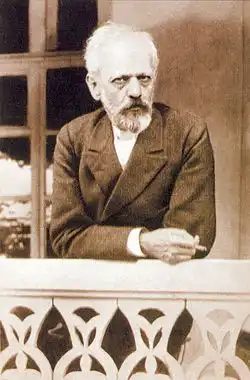
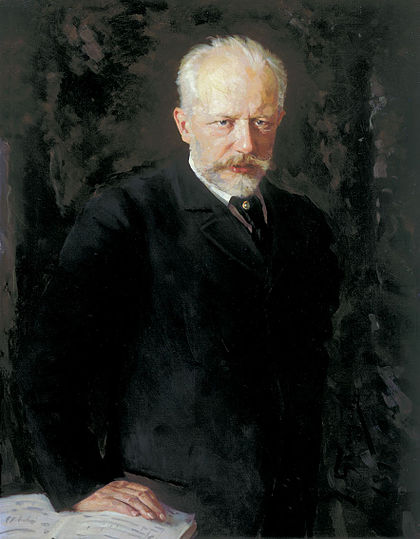
Pyotr Ilyich Tchaikovsky’s The Seasons, Op. 37a, stands as one of the most intimate and evocative collections in the solo piano repertoire. Composed between 1875 and 1876, the suite consists of twelve character pieces, each representing a month of the year.
Unlike his massive symphonies or grand ballets, The Seasons offers a glimpse into the composer’s ability to capture subtle, fleeting emotions and the rustic charm of Russian life. The work was commissioned by Nikolay Bernard, the editor of the Nouvelliste music magazine, who requested a monthly contribution to be published in each issue throughout the year 1876.
Each
...A Timeless Journey Through the Russian Soul and the Changing Landscapes of the Heart
The Genesis of a Monthly Masterpiece The story of The Seasons begins not with a grand artistic vision, but with a commercial contract. In late 1875, Pyotr Ilyich Tchaikovsky received a proposal from Nikolay Bernard, the publisher of the St. Petersburg periodical Nouvelliste. Bernard wanted to provide his subscribers with a new piano piece every month, each reflecting the character of the season.
To ensure the composer didn't lose interest, Bernard even suggested titles for each piece. While some might view such a commission as restrictive, Tchaikovsky found within these parameters a canvas for some of his most personal melodic inventions. It is said that Tchaikovsky was so worried he would forget the monthly task that he had his valet prompt him regularly. One afternoon, while working on his First Piano Concerto, the valet reminded him of the "December" deadline.
Tchaikovsky reportedly sighed, moved to a smaller desk, and composed "Christmas" in a matter of hours, showing that even his "incidental" music carried the weight of his genius.
January: By the Hearth The cycle opens with a piece that captures the warmth of a Russian home against the biting winter cold. Dedicated to the month of January, "By the Hearth" is set in A major and features a tender, dreamlike melody. Tchaikovsky uses a ternary (A-B-A) structure to evoke the flickering of a fire and the quiet introspection of a winter evening.
The middle section grows slightly more agitated, perhaps suggesting the wind howling outside the chimney, before returning to the initial peaceful theme. The influence of Robert Schumann is evident here in the way the inner voices of the piano texture create a sense of cozy intimacy.
February: Carnival The mood shifts dramatically in February with "Carnival." This movement reflects the pre-Lenten celebrations known as Maslenitsa in Russia. The music is boisterous, rhythmic, and filled with the spirit of folk dance. Tchaikovsky employs rapid scales and playful accents to mimic the atmosphere of a bustling street fair. Unlike the aristocratic ballroom scenes found in the works of Frédéric Chopin, this carnival is grounded in the earthy energy of the Russian people. The technical demands increase here, requiring crisp articulation to maintain the festive momentum.
March: Song of the Lark As the snow begins to melt, "Song of the Lark" introduces the first hints of spring. Written in G minor, the piece is surprisingly melancholic for a springtime depiction. However, this reflects the Russian "Spring of Light," where the sun returns but the air remains freezing. The trills and high-register figurations clearly imitate the bird's song, a device also used effectively by Franz Liszt and Mikhail Glinka. The delicacy of the ornamentation requires a light touch, suggesting the fragility of early life emerging from the frost.
April: Snowdrop April brings "Snowdrop," a waltz in B-flat major that is arguably one of the most popular movements in the set. The snowdrop is the first flower to break through the Siberian ice, and Tchaikovsky captures this sense of hope with an ascending melodic line that feels like a flower reaching for the sun. The triple meter gives the piece a graceful, floating quality. One can hear the echoes of Felix Mendelssohn in the light, "Midsummer" quality of the piano writing, yet the harmonic shifts remain purely Tchaikovskian.
May: May Nights "May Nights" (Starlit Nights) moves into G major and adopts a more contemplative, nocturnal tone. The piece reflects the "White Nights" of St. Petersburg, where the sun barely sets. The music is atmospheric and slow, utilizing lush chords to depict the stillness of a spring evening. The influence of John Field, the inventor of the nocturne, is apparent in the singing left-hand accompaniment and the lyrical right-hand melody. It is a moment of profound stasis before the activity of the summer months.
June: Barcarolle "Barcarolle" is the undisputed crown jewel of the cycle. Though traditionally a Venetian gondolier’s song, Tchaikovsky reimagines the barcarolle through a Russian lens. The minor key (G minor) lends it a haunting, nostalgic quality. The rowing rhythm in the accompaniment is steady and hypnotic, while the melody soars with a bittersweet intensity. This movement highlights Tchaikovsky's gift for cantabile writing, turning the piano into a human voice. It stands alongside the great barcarolles of Gabriel Fauré and Frédéric Chopin as a masterpiece of the genre.
July: Reaper's Song The second half of the year begins with the "Reaper's Song" in C major. This is a vigorous, folk-inspired movement that depicts the hard work of the harvest. The rhythm is square and percussive, mimicking the physical motion of scything grain. Tchaikovsky often drew inspiration from the peasant songs he heard at his sister’s estate in Kamianka. The simplicity of the melody is its strength, providing a rugged contrast to the refined elegance of the preceding "Barcarolle."
August: Harvest Following the reaper is the "Harvest" (Scherzo), a virtuosic display in B minor. This movement is characterized by rapid-fire notes and a sense of urgent activity. The harvest was a race against time before the autumn rains, and the music reflects this frantic pace. The middle trio section provides a brief respite, with a more melodic theme, before the "harvest" returns in full force. The technical brilliance required here reminds the listener that Tchaikovsky was a contemporary of Johannes Brahms, often utilizing complex textures and cross-rhythms.
September: The Hunt "The Hunt" brings a change of scenery, moving from the fields to the forest. Written in G major, the piece is dominated by horn calls—a classic musical signifier of the hunt used by composers from Joseph Haydn to Richard Wagner. The galloping rhythm and fanfares create a sense of nobility and outdoor adventure. It is a high-energy movement that captures the excitement of the aristocratic chase, a popular pastime in 19th-century Russia.
October: Autumn Song "Autumn Song" returns to the introspective mood of the earlier months. In D minor, it is a poignant meditation on decay and the falling leaves. The melody is sighing and fragmented, evoking a sense of loss. Tchaikovsky was a master of melancholy, and here he uses the piano to explore the "sorrowful beauty" of the Russian autumn. The piece shares a spiritual connection with the late works of Franz Schubert, where every note seems laden with hidden meaning.
November: Troika "Troika" is perhaps the most famous movement in The Seasons. It depicts a three-horse sled (troika) racing across the snow. The main theme is bright and folk-like, while the accompaniment features a jingling rhythm that suggests bells on the horses' harnesses. The middle section is more lyrical, perhaps representing the traveler's thoughts, before the energetic troika theme returns and eventually fades into the distance. This piece became a favorite of Sergei Rachmaninoff, who frequently performed it as an encore.
December: Christmas The cycle concludes with "Christmas," a charming waltz in A-flat major. Rather than a religious celebration, this movement depicts a social gathering—a Christmas ball. The waltz is elegant and lighthearted, bringing the year to a close on a note of warmth and community. It serves as a perfect bookend to the "By the Hearth" movement of January. The grace and charm of the writing foreshadow Tchaikovsky's later success with ballet waltzes in The Nutcracker.
A Legacy of Lyricism In conclusion, The Seasons is far more than a collection of magazine supplements. It is a diary of the Russian year and a testament to Pyotr Ilyich Tchaikovsky’s ability to find the extraordinary in the ordinary. By weaving together folk elements, literary allusions, and Romantic virtuosity, he created a work that resonates with universal human experiences. Whether it is the loneliness of autumn or the joy of a carnival, Tchaikovsky gives these emotions a voice through the ivory keys of the piano.
Would you like me to find specific recordings of these movements or help you locate the free sheet music for a particular month?
Follow us : 


Sheet Music International - Copyright 2025 all rights reserved
| English: Sheet Music (PDF) | Free Scores | Français: Partitions (PDF) | Musique gratuite | Ελληνικά: Παρτιτούρες (PDF) | Δωρεάν μουσική |
| Deutsch: Noten (PDF) | Kostenlose Partituren | Español: Partituras (PDF) | Música impresa | Português: Partituras (PDF) | Música gratuita |
| Italiano: Spartiti (PDF) | Partiture musicali | Русский: Ноты (PDF) | Бесплатные партитуры | Norsk: Noter (PDF) | Gratis noter |
| Українська: Ноти (PDF) | Безкоштовні партитури | Polski: Nuty (PDF) | Darmowe nuty | Nederlands: Bladmuziek (PDF) | Gratis partituren |