Your Request is under process, Please wait.

Giacomo Puccini’s Madama Butterfly is, quite simply, the most perfect tragedy in opera. It is an intimate, devastating, and relentless assault on the emotions, a work so powerful that it has become a cornerstone of the entire repertoire. The story, based on a popular play, is a stark clash of cultures: a 15-year-old Japanese geisha, Cio-Cio-San, who renounces her faith and family for a marriage she believes is eternal, and a callous American naval officer, B.F. Pinkerton, for whom she is just a temporary, exotic diversion.
The opera’s 1904 premiere at La Scala was one of the most infamous disasters
...The Most Disastrous Premiere in History
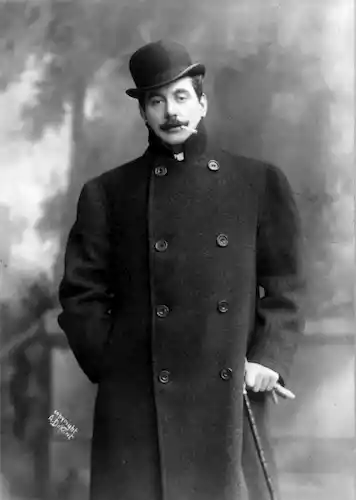
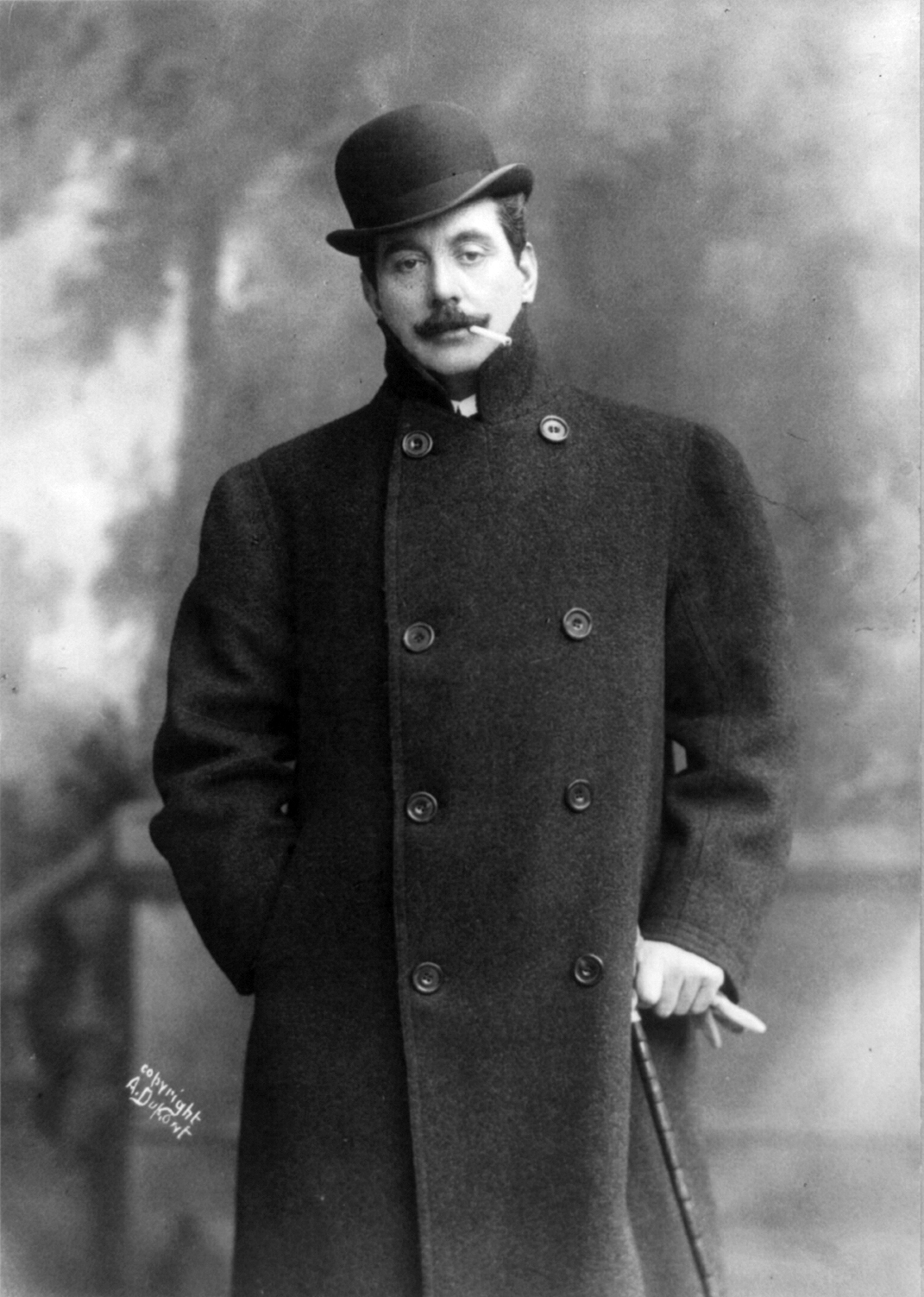
On the night of February 17, 1904, Giacomo Puccini, then the reigning king of Italian opera, sat in the orchestra pit at La Scala for the premiere of his newest, most "heartfelt" work. What followed was not an opening night, but an execution. The audience, packed with his rivals' supporters, had come prepared. They hissed at the "exotic" harmonies. They laughed at the "American" musical quotes. When Butterfly’s family first appeared, a wag shouted, "Is this the second act of Bohème?" When the tenor sang his great duet, the gallery mooed. It was a "fiasco," a "lynching," as Puccini called it, orchestrated from beginning to end. The composer, shattered, withdrew the opera the next day. And yet, he never lost faith. "The opera is alive and real," he declared. "I know where the music has come from... I believe in it." He was right. He made several crucial revisions—splitting the long, two-act structure into three, and tightening the pacing—and three months later, the opera premiered again in Brescia. It was a colossal, unqualified triumph. The audience was moved to tears, and the disaster of La Scala was forgotten, proving that the opera he had created was, in fact, his most potent and perfect theatrical machine.
The "Exotic" Verismo
Puccini’s career was built on verismo ("realism"), but he was never a "kitchen-sink" realist like his rivals Pietro Mascagni (Cavalleria Rusticana) or Ruggero Leoncavallo (Pagliacci). Puccini’s verismo was always sentimental, poetic, and, in this case, exotic. The story came from a popular one-act play by David Belasco, which Puccini saw in London. He reportedly spoke no English, but was so devastated by the heroine's on-stage suicide that he rushed backstage, demanding the rights. This "exotic" Japanese setting was a goldmine for a composer like Puccini, who was a master orchestrator. He did his homework, researching Japanese folk music, consulting with Japanese actresses, and incorporating authentic Japanese melodies—like "Sakura" (Cherry Blossom)—into his score. But this is not a dry, academic exercise. He uses this "Japanese" sound, with its pentatonic scales, chiming gongs, and delicate woodwind effects, as a musical "costume" for his heroine and her world.
A Score of Two Worlds
The central tragedy of Madama Butterfly is a clash of two irreconcilable cultures, and the score is built on this collision. Puccini, in a brilliant stroke of musical-dramatic genius, gives each culture its own musical language. Pinkerton and the "American" world are represented by music that is brash, confident, strident, and based in a firm, Western tonality. Puccini even has Pinkerton quote "The Star-Spangled Banner" (a theme that would become his own, careless, musical signature). His aria "Dovunque al mondo" (Throughout the world) is a swaggering, arrogant anthem to the "Yankee vagabond" who takes what he wants, where he wants. Butterfly’s world, by contrast, is painted with the "exotic" orchestral colors and the delicate, folk-like melodies. But the opera's greatest miracle is how Puccini charts her psychological journey through this music. As the opera progresses, and as Butterfly clings more desperately to her American "faith," her own music changes. She sheds the "Japanese" elements and begins to sing in the sweeping, passionate, emotionally devastating melodic lines of a full-blown Puccini heroine. She becomes an Italianate heroine in her mind, and the music proves it.
The Perfect Heroine: "Un bel dì"
The entire opera rests on the small shoulders of Cio-Cio-San. She is arguably Puccini's greatest creation. Her journey from a 15-year-old child-bride to a woman of unbreakable, tragic dignity is one of the most complete in all of opera. Her entrance, "Ancora un passo" (One more step), is a breathtaking arrival, her voice soaring over a chorus of friends, full of hope. But her defining moment is the world's most famous "aria of faith": "Un bel dì, vedremo" (One fine day, we'll see). This is not just a beautiful song; it is a profound, 5-minute psychodrama. In it, she constructs, from pure imagination, the entire scene of Pinkerton's return—the ship on the horizon, the man climbing the hill, the loving reunion. The music swells from a hushed, spoken-word prophecy into an ecstatic, overwhelming, quasi-religious vision. It is the ultimate anthem of self-delusion, a moment of such desperate, heartbreaking hope that the audience, who knows the truth, is left utterly destroyed.
The "American" Villain
Lieutenant B.F. Pinkerton is one of the most effective villains in opera precisely because he is not a "villain" in the mold of a Verdi's Iago or a Scarpia (from Puccini's own Tosca). He is not "evil"; he is simply, and damnably, careless. He is a good-time "Yankee" who, as the consul Sharpless tries to warn him, treats a sacred, life-altering commitment as a casual "diversion." He is genuinely charmed by Butterfly in Act I, and Puccini gives him one of the most passionate and beautiful love duets ever written ("Vogliatemi bene"). This is what makes his crime so heinous: the music is so sincere that we, too, believe in his love, making his inevitable betrayal all the more cutting. His final, brief appearance in Act III, "Addio, fiorito asil" (Farewell, flowery refuge), is a masterpiece of selfish remorse—a short, sobbing aria of guilt before he flees, leaving his wife and the consul to clean up his mess.
The Vigil and the Inevitable End
Puccini’s dramatic pacing is relentless. After the ecstatic joy of "Un bel dì," the drama grinds forward. The Consul Sharpless, a figure of sad, bureaucratic impotence, tries to read Butterfly a letter from Pinkerton, but she is so overcome with joy she cannot hear the terrible news it contains. When he gently suggests she marry the wealthy Prince Yamadori, she reveals her ultimate trump card: her son, "Dolore" (Sorrow). The climax of Act II is a stroke of theatrical genius. A cannon shot is heard. Butterfly sees Pinkerton's ship, the Abraham Lincoln, in the harbor. Her faith is vindicated. She and Suzuki fill the house with flowers ("Il cannone del porto!"). As night falls, Butterfly, her son, and Suzuki begin an all-night vigil, staring at the harbor. Puccini composed a long, wordless, deeply moving orchestral interlude (the "Humming Chorus") that bridges the act. It is a musical portrait of "waiting," one that is achingly beautiful and, for the audience, almost unbearable in its tension.
From "Sorrow" to "Joy"
The final act is a swift, brutal conclusion. Butterfly, having not slept, finally rests. Pinkerton arrives with Sharpless and his new, American wife, Kate. It is Kate, not Pinkerton, who will ask for the child. Pinkerton, seeing the flower-filled house, is overcome with cowardly guilt and flees. Butterfly awakens and, in a few, terrible moments, her entire world is annihilated. The music is stark, hollow. She sees the strange woman in the garden. She sees Sharpless. She does not need to be told. Her transformation is instant and absolute. The naive, hopeful girl is gone, replaced by the daughter of a Samurai. She agrees to give up her child, but only if Pinkerton himself comes to collect him. Left alone, she performs her final, tragic duty. She bids a terrifying, tender farewell to her son ("Tu? tu? piccolo iddio!" - "You? you? little god!"), blindfolds him, and commits seppuku (ritual suicide) with her father's dagger, which is inscribed: "To die with honor when one can no longer live with honor." She dies just as Pinkerton rushes back in, calling her name. The orchestra, in a final, devastating, major-key swell, does not resolve her tragedy, but rather, apotheosizes her sacrifice.
Act I: The Wedding
Nagasaki, Japan. U.S. Naval Lieutenant B.F. Pinkerton is inspecting a house he has leased for 999 years (with a monthly cancellation clause). He is shown around by Goro, a marriage broker, who has also procured him a 15-year-old geisha bride, Cio-Cio-San (Madama Butterfly). Sharpless, the U.S. Consul, arrives. Pinkerton boasts of his "Yankee" philosophy: he travels the world, taking his pleasure where he finds it. Sharpless warns him that the girl is serious; her love is real. Pinkerton laughs it off and makes a toast to the "real" American wife he will one day marry. Butterfly arrives with her friends ("Ancora un passo"). She is radiant, telling Pinkerton that she is from a once-noble family and is only 15. She reveals that, as a sign of her commitment, she has secretly converted to Christianity, renouncing her ancestors' faith. The wedding ceremony is completed, but the celebration is shattered by the arrival of the Bonze, Butterfly's uncle, a high priest. He has discovered her conversion and curses her, ordering all her relatives to renounce her. They do, leaving her weeping. Pinkerton, annoyed but also moved, consoles her. The act ends with a long, rapturous love duet ("Vogliatemi bene") as night falls.
Act II: The Wait
Three years have passed. Pinkerton left soon after the wedding, promising to return "when the robins nest." Butterfly, now penniless, lives in the house with her faithful maid, Suzuki. Suzuki prays to her Japanese gods, but Butterfly clings to her "American" faith in Pinkerton's return. She sings the famous aria, "Un bel dì, vedremo" (One fine day, we'll see), a vivid, desperate fantasy of the day his ship will appear. Sharpless arrives with Goro. Goro has been trying to marry Butterfly off to the wealthy Prince Yamadori, who arrives to propose. Butterfly politely rejects him, stating that she is an American citizen and, in America, a husband's "desertion" is not grounds for divorce. Sharpless, deeply moved, tries to read her a letter from Pinkerton, but he cannot bring himself to break her heart. He gently asks what she would do if Pinkerton never returned. Butterfly is horrified, and then, as her final answer, she brings out her son, Dolore (Sorrow), a blue-eyed, blond-haired boy. Sharpless, stunned, promises to tell Pinkerton. A cannon shot is heard. It is Pinkerton's ship, the Abraham Lincoln, arriving in the harbor. Butterfly is ecstatic, her faith vindicated. She and Suzuki fill the house with flowers ("Flower Duet"). She puts on her wedding dress and, with Suzuki and her child, begins an all-night vigil at the window. The famous "Humming Chorus" plays as night falls.
Act III: The Reckoning
Dawn. Suzuki and the child are asleep. Butterfly, still standing, has not moved all night. Suzuki persuades her to rest. While she is gone, Sharpless, Pinkerton, and his new American wife, Kate, arrive. Suzuki, seeing Kate, understands the entire, terrible truth. Pinkerton, seeing the flower-filled room, is overcome with guilt and sings "Addio, fiorito asil" (Farewell, flowery refuge). He cannot face Butterfly and flees, asking Sharpless to handle the situation. Butterfly awakens, expecting to find Pinkerton. Instead, she finds Kate. She sees Sharpless, and the truth dawns on her. In a few, hushed, terrible moments, she understands everything. Kate, with pity, asks for the child, promising to raise him as her own. Butterfly, now transformed into a figure of noble, Samurai dignity, agrees. She asks that Pinkerton himself come to fetch the boy in half an hour. Left alone, she says a final, heartbreaking farewell to her son ("Tu? tu? piccolo iddio!"), blindfolds him, and gives him an American flag to play with. She goes behind a screen and commits seppuku (ritual suicide) with her father's ceremonial dagger. She stumbles out, collapsing at her son's feet just as Pinkerton, filled with remorse, rushes in, screaming her name.

Follow us : 


Sheet Music International - Copyright 2026 all rights reserved
| English: Sheet Music (PDF) | Free Scores | French: Sheet Music (PDF) | Free Scores | Greek: Sheet Music (PDF) | Free Scores |
| German: Sheet Music (PDF) | Free Scores | Spanish: Sheet Music (PDF) | Free Scores | Portuguese: Sheet Music (PDF) | Free Scores |
| Italian: Sheet Music (PDF) | Free Scores | Russian: Sheet Music (PDF) | Free Scores | Norwegian: Sheet Music (PDF) | Free Scores |
| Ukrainian: Sheet Music (PDF) | Free Scores | Polish: Sheet Music (PDF) | Free Scores | Dutch: Sheet Music (PDF) | Free Scores |