“Quando m’en vo’” (from La bohème, 1896)
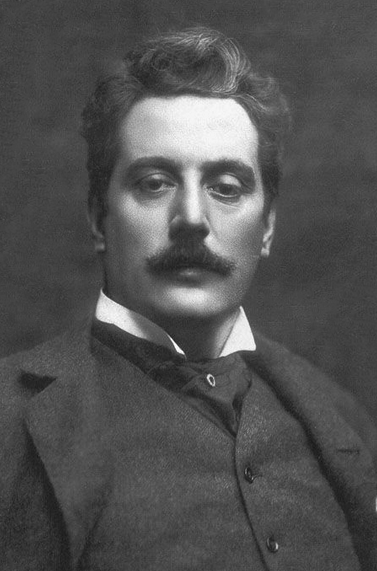
Giacomo Puccini (1858-1924)
In the grand world of opera, some arias are quiet prayers, some are declarations of love, and some are cries of despair. And then there are arias that are pure, unadulterated public spectacle. Giacomo Puccini’s “Quando m’en vo’,” famously known as “Musetta’s Waltz,” is a masterclass in the latter. It is not a private reflection; it is a weapon of seduction, a fiery performance designed to wreak havoc, and one of the most brilliant character introductions in the repertoire.
The scene is Act II of La bohème. It's
...
“Quando m’en vo’” (from La bohème, 1896)
Giacomo Puccini (1858-1924)
In the grand world of opera, some arias are quiet prayers, some are declarations of love, and some are cries of despair. And then there are arias that are pure, unadulterated public spectacle. Giacomo Puccini’s “Quando m’en vo’,” famously known as “Musetta’s Waltz,” is a masterclass in the latter. It is not a private reflection; it is a weapon of seduction, a fiery performance designed to wreak havoc, and one of the most brilliant character introductions in the repertoire.
The scene is Act II of La bohème. It's a frigid Christmas Eve, but the streets of Paris’s Latin Quarter are alive with the joyous warmth of shoppers, vendors, and students. Four bohemian friends—the poet Rodolfo, the painter Marcello, the musician Schaunard, and the philosopher Colline—are celebrating a rare windfall at their favorite outdoor haunt, the Café Momus. Rodolfo has just introduced his frail new love, Mimì, to his friends, and the mood is festive.
Suddenly, a commotion. Making a grand entrance is Musetta, a fiery and fashionable singer, and Marcello’s tempestuous on-again, off-again lover. Tonight, however, she is decidedly “off-again,” arriving on the arm of a wealthy, ancient, and comically flustered admirer, Alcindoro. Spotting Marcello at the café, Musetta immediately decides that her evening’s entertainment will be to recapture his attention and drive him mad with jealousy.
This is where she launches into her waltz. Ignoring her fuming date, she directs her song at the entire café, but with her eyes locked on Marcello. The lyrics are a bold declaration of her own irresistibility: “Quando m’en vo’ soletta per la via, la gente sosta e mira…” (“When I go along the street by myself, the people stop and stare…”). She sings of how everyone admires her beauty from head to toe, and how she relishes the desire she creates. The music itself, a seductive and slightly teasing waltz, perfectly captures her confidence and swagger. It’s a stark contrast to the tender, soaring lyricism Puccini gives to the gentle Mimì, highlighting the two women’s opposite personalities.
What makes the scene so masterful is the drama Puccini weaves around the aria. While Musetta sings, Marcello tries desperately to ignore her, burying his face in a newspaper and muttering about how he’ll never fall for her tricks again. The other bohemians watch the drama unfold with glee, offering a running commentary on Marcello’s failing resolve. All the while, the doddering Alcindoro begs Musetta to stop making a scene.
Finally, Musetta delivers her masterstroke. Crying out in feigned agony, she complains that her new shoe is painfully tight and sends Alcindoro scurrying off to find a cobbler. The moment he is gone, she triumphantly falls into Marcello’s waiting arms; their passionate reunion is inevitable. In a final act of bohemian bravado, the friends consolidate their dinner bill with Musetta’s and dash off to join a passing parade, leaving the hapless Alcindoro to return to an empty table and two enormous checks.
“Quando m’en vo’” is more than just a beautiful tune; it’s a complete theatrical event, perfectly capturing a character who is flamboyant, clever, and utterly in control. It is Puccini at his finest, blending humor, romance, and razor-sharp characterization into three minutes of pure operatic magic.