Your Request is under process, Please wait.

Felix Mendelssohn’s piano concertos are the embodiment of his own legendary keyboard artistry: brilliant, elegant, and breathtakingly energetic. As one of the most celebrated piano virtuosos of his era, Mendelssohn composed these works not only as profound musical statements but also as dazzling vehicles for his own performances. While firmly rooted in the Classical tradition of Mozart and Beethoven, his concertos are forward-looking masterpieces that helped redefine the genre for the Romantic age. He famously broke with convention by linking the movements together without pause, creating a seamless and urgent dramatic narrative that captivated audiences. From the fiery impetuosity
...The Virtuoso as Innovator
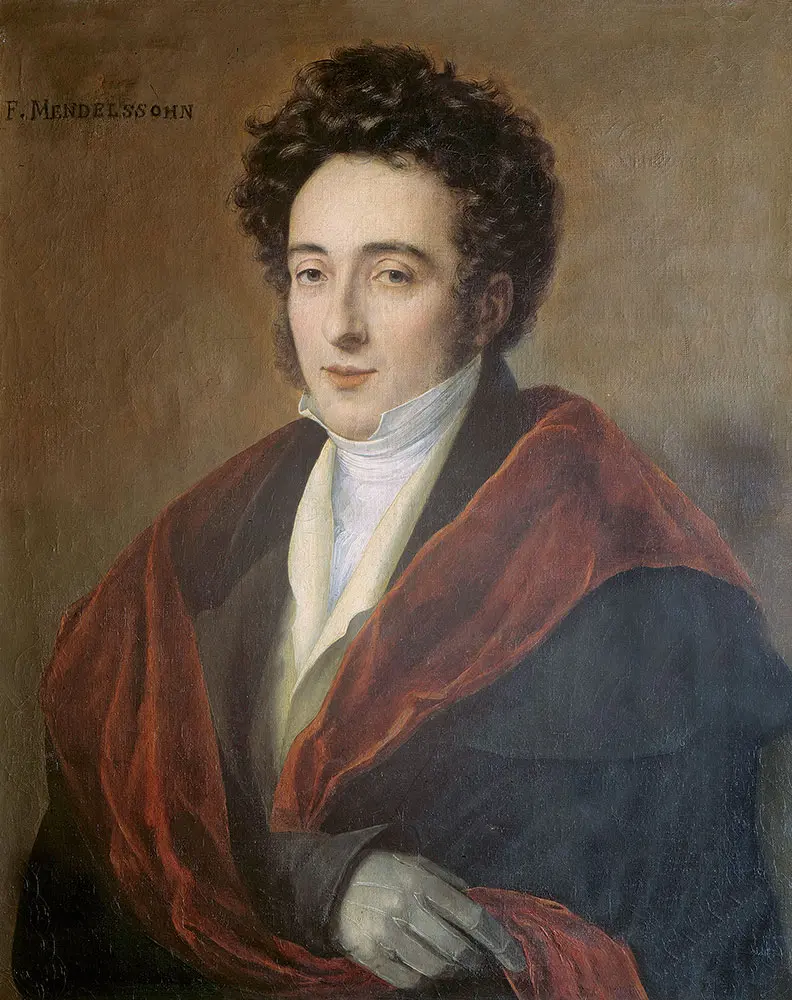
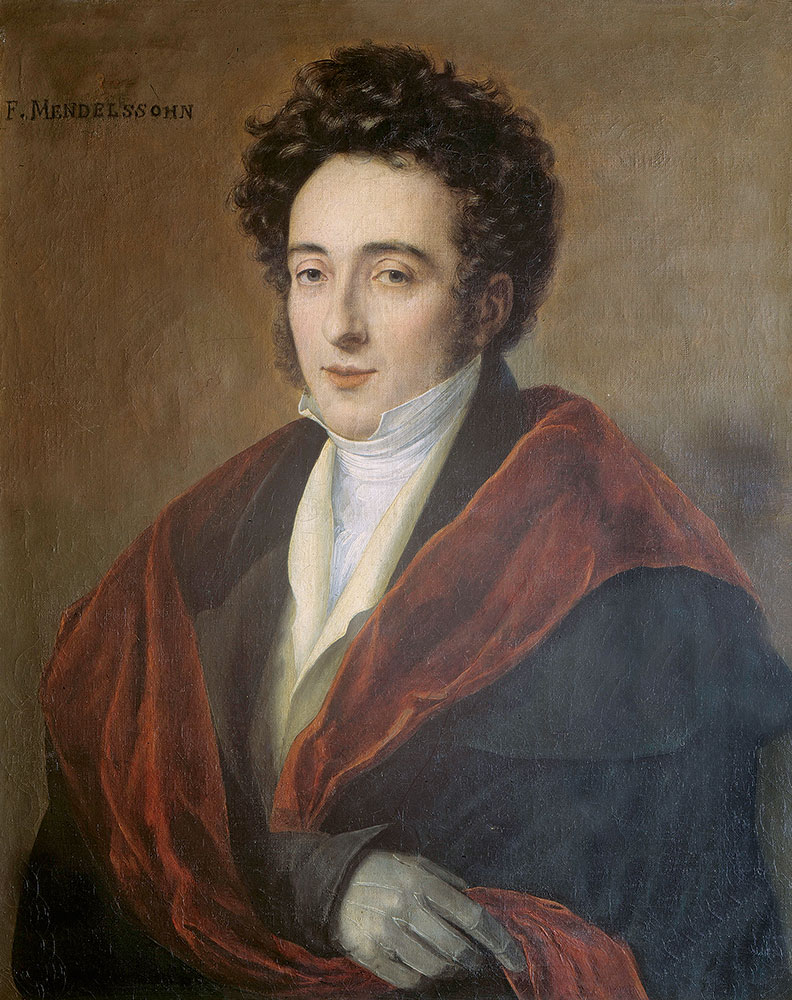
When discussing Felix Mendelssohn’s piano concertos, one must first consider Mendelssohn the pianist. He was a titan of the keyboard, a prodigy whose technical command was spoken of in the same breath as that of Franz Liszt and Frédéric Chopin. However, his style was distinct. Where Liszt offered thunderous power and demonic bravura, Mendelssohn was celebrated for his incredible velocity, pearly articulation, and an elegant, almost weightless touch. His concertos are a direct reflection of this personal style. They are not bombastic battles between soloist and orchestra, but rather dazzling and dramatic conversations. He composed them as a traveling virtuoso, premiering them himself across Europe to thunderous acclaim. They are the works of a supreme musician at the height of his powers, designed to thrill audiences while simultaneously pushing the concerto form into new and exciting territory.
Breaking the Mold: Structural Innovations
The most significant and influential feature of Mendelssohn's numbered concertos is their structural innovation. He largely abandoned the traditional three-movement concerto structure, which featured long orchestral introductions (tuttis) and formal breaks between movements that invited applause. Instead, he links all three movements to be played attacca (without pause), creating a continuous dramatic arc. In the G minor concerto, the piano makes a dramatic entrance after only a few bars of orchestral fury, immediately seizing the listener’s attention. Quiet brass fanfares serve as transitional material, connecting the fiery first movement to the serene slow movement, and the slow movement to the brilliant finale. This technique creates a more unified and novelistic listening experience, a major step away from the more segmented Classical model and a crucial influence on the through-composed concertos of Liszt, Schumann, and others.
Piano Concerto No. 1 in G minor, Op. 25
Composed in just three days during a trip to Munich in 1831, the G minor concerto is a whirlwind of youthful fire and passion. It became an instant sensation and one of the most popular concertos of the 19th century—so popular, in fact, that Hector Berlioz once joked that the sight of a G minor piano score gave him a nervous tic. The work’s opening is pure Sturm und Drang, a rushing orchestral storm that is immediately answered by the piano’s explosive octaves and arpeggios. The entire first movement is a breathless display of virtuosity, yet it is also remarkably concise. The central Andante is a moment of pure, song-like beauty, a "Song without Words" for piano and orchestra, introduced and concluded by a soft brass chorale that links it to the outer movements. The finale is a brilliant, glittering moto perpetuo that brings the work to an exhilarating conclusion.
Piano Concerto No. 2 in D minor, Op. 40
Written six years after its famous sibling, the D minor concerto is a more mature and perhaps more introspective work. Though it has often stood in the shadow of the G minor, it is in many ways a more substantial and powerfully constructed piece. Like its predecessor, it features linked movements and an immediate entry for the soloist, but the overall mood is more serious and grand. The opening movement is less fiery and more dramatic, with a powerful, almost Brahmsian weight to its themes. The piano writing is just as brilliant, but it feels more integrated into the orchestral texture. The slow movement, Adagio, is a sublime piece of poetic lyricism, a tranquil barcarolle that unfolds with effortless grace. The finale is a light-footed and elegant scherzo-rondo, showcasing the sparkling, "elfin" side of Mendelssohn's musical personality and bringing the concerto to a joyful, rather than thunderous, close.
The Earlier and Other Concertante Works
Mendelssohn’s engagement with the piano and orchestra began long before his two famous numbered concertos. At the astonishing age of thirteen, he composed a full-scale Concerto in A minor for piano and string orchestra, a work that, while clearly indebted to Mozart and Hummel, is remarkably accomplished. He also composed two double concertos in his teens—one for two pianos and orchestra, and another for piano, violin, and orchestra—further demonstrating his early mastery of large-scale forms. In addition to the numbered concertos, he wrote three shorter, single-movement concert pieces for piano and orchestra during the 1830s: the Capriccio brillant, the Rondo brillant, and the Serenade and Allegro giocoso. Each is a perfectly crafted showcase of Romantic virtuosity, combining dazzling finger-work with irresistible melodic charm.
Virtuosity with Elegance and Clarity
The piano writing across all these works is consistently brilliant and demanding. Mendelssohn’s scores are filled with torrents of fast scales, shimmering arpeggios, rapid-fire chords, and brilliant octave passages. However, this virtuosity is never empty or bombastic. There is a transparency and elegance to his keyboard style that sets him apart from many of his contemporaries. The piano part, no matter how difficult, is always beautifully integrated with the orchestra. He often uses the piano to create delicate, filigree-like textures that shimmer above the orchestral sound, and his most powerful moments are achieved through speed and energy rather than sheer percussive force. It is the virtuosity of a refined poet, not a heavyweight brawler.
A Lasting Legacy
Mendelssohn’s piano concertos are a vital link between the Classical era and the high Romanticism that followed. Their structural innovations, particularly the integration of movements, had a profound impact on the evolution of the concerto form. While the overwhelming popularity of the G minor concerto led to a period where it was considered overplayed, both numbered concertos have since been rightfully re-established as cornerstones of the repertoire. They are beloved by pianists for their rewarding and brilliant keyboard writing and adored by audiences for their perfect balance of fiery drama, lyrical beauty, and exhilarating energy.
Follow us :


Sheet Music International - Copyright 2026 all rights reserved