A Virtuosic National Epic
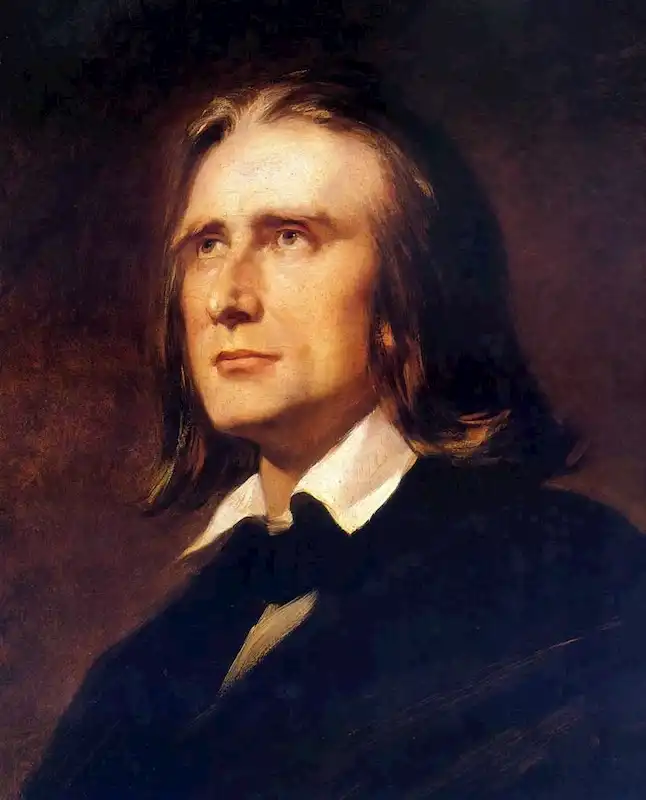
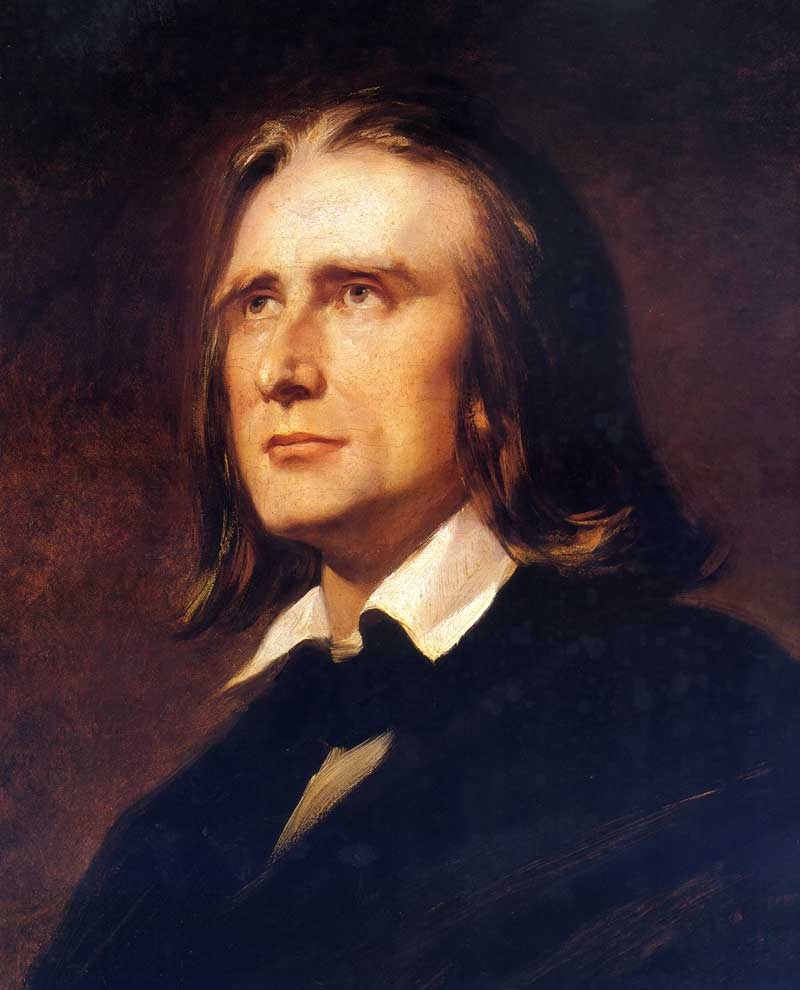
By the early 1850s, Franz Liszt had largely retired from his career as a globe-trotting piano virtuoso and had settled in Weimar, dedicating himself to composition. It was here that he began a series of revolutionary orchestral works, including his famous symphonic poems. It was also during this time that he decided to take the brilliant Hungarian nationalism of his solo piano rhapsodies and elevate it to the grand stage of the concert hall. He took one of his finest and most dramatic solo rhapsodies, the Fourteenth, and, with the help of his student Hans von Bülow, transformed it into the magnificent Fantasia on Hungarian Folk Melodies for piano and orchestra. The work, which is in effect a one-movement Hungarian concerto, is one of Liszt's most brilliant and popular creations, a powerful and virtuosic epic that pits a heroic piano soloist against the full might of the symphony orchestra.
A Showcase for a Protégé
The "Hungarian Fantasy" was created for Hans von Bülow, one of the 19th century’s most brilliant and influential musicians. Bülow was not only one of Liszt’s greatest pupils but also a fierce champion of his music. Liszt arranged the Fantasy as a perfect showcase for Bülow's powerful, intellectual, and virtuosic style of playing. The premiere, which took place in Pest, Hungary, with Bülow at the piano and the composer's friend Ferenc Erkel conducting, was a triumphant success and helped to solidify the work’s place as a staple of the Romantic piano repertoire.
The Csárdás as a Model
Like his solo Hungarian Rhapsodies, the Fantasy is based on the structure of the csárdás, the Hungarian national dance which is itself derived from the older verbunkos recruiting music. This form is characterized by its dramatic contrast between a slow, improvisatory, and often melancholy first section and a fast, wild, and thrilling concluding section. This structure provides a perfect framework for a work of dramatic variety and virtuosic display.
Musical Analysis: The Slow Introduction
The Fantasy begins with a powerful and dramatic introduction. The orchestra, led by the brass and timpani, lays down a stern, almost military, rhythm. Over this, the piano enters with a series of powerful, declamatory statements, full of grand chords and brilliant, improvisatory flourishes. The mood is one of heroic and dramatic defiance. This leads to a beautiful, lyrical section, reminiscent of a duma, or Slavic epic ballad. The piano, in a more tender and expressive mood, sings a beautiful, folk-like melody over a simple accompaniment. This section showcases the lyrical, poetic side of Liszt’s writing.
Musical Analysis: The Fast Section
After the slow section builds to a climax, the music erupts into the brilliant and famous fast section. Based on the Hungarian folk song "Magasan repül a daru" ("High flies the crane"), this is the wild, thrilling dance that forms the second half of the work. The piano introduces the catchy, highly rhythmic main theme, which is then taken up by the orchestra. What follows is a brilliant series of variations of ever-increasing speed and virtuosity. Liszt unleashes the full arsenal of his pianistic effects: lightning-fast octave passages, brilliant arpeggios, and huge, athletic leaps. The dialogue between the piano and orchestra is a thrilling battle, with musical ideas tossed back and forth in a brilliant display of instrumental firepower.
The Role of the Orchestra
In this work, the orchestra is far more than a mere accompanist; it is a full partner in the drama. Liszt, who was at this time revolutionizing the art of orchestration in his symphonic poems, uses the orchestra with immense skill and color. The brass section is particularly prominent, providing a powerful, almost martial, foundation. The woodwinds add touches of folk-like color, and the strings engage in brilliant, fiery exchanges with the piano. The percussion, especially the triangle, is used to add to the brilliant "Gypsy" style of the finale.
The Ultimate "Hungarian" Statement
Of all of Liszt’s works in the Hungarian style, the Fantasy is perhaps the most brilliant, concise, and exciting. It distills all the best elements of his solo rhapsodies—the dramatic contrasts, the improvisatory freedom, the folk-like melodies, and the staggering virtuosity—into a perfectly paced, one-movement work for piano and orchestra. It is a work that perfectly captures the charismatic showmanship of its composer.
An Enduring Favorite
The "Hungarian Fantasy" has been a favorite of both pianists and audiences since its premiere. Its combination of haunting melodies, dramatic flair, and sheer, breathtaking virtuosity makes it one of the most exciting works in the entire piano concerto repertoire. It is a powerful and thrilling celebration of Liszt's Hungarian heritage and a timeless testament to his status as the supreme master of the Romantic piano.