Your Request is under process, Please wait.

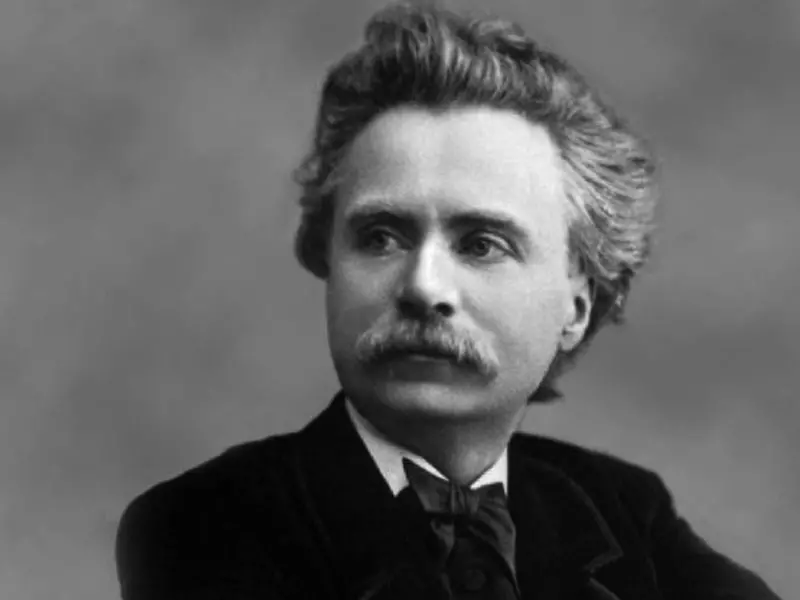
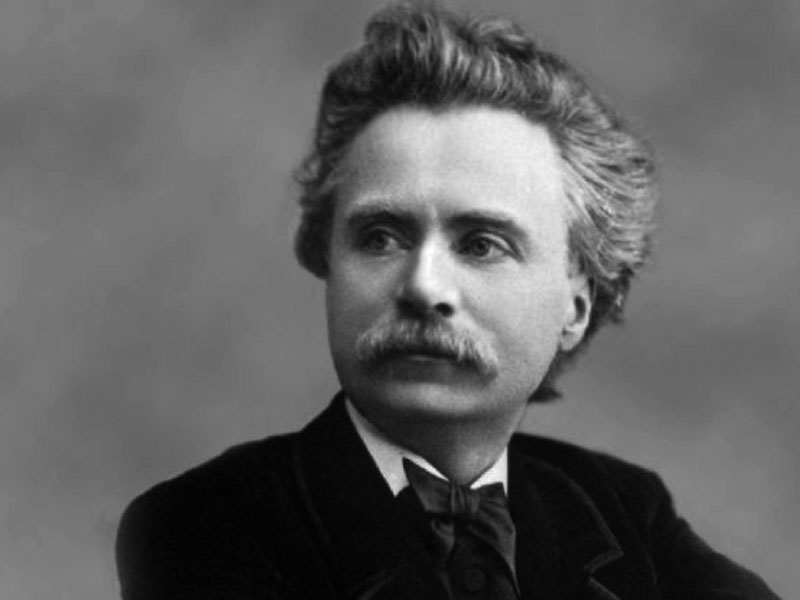
Edvard Grieg’s Norwegian Dances are a vibrant and enchanting celebration of the rustic spirit of his homeland. Interestingly, these now-famous orchestral works were not originally conceived for the concert hall, but for the intimate setting of the 19th-century parlor. Grieg composed them in 1881 as a suite for piano four-hands, a hugely popular format for domestic music-making. Drawing on authentic folk tunes from a collection by the folklorist Ludvig Mathias Lindeman, Grieg crafted a set of four dances that perfectly captured the Norwegian character, from gentle melancholy to wild, stamping energy. The pieces became
...From the Parlor to the Concert Hall
In the late 19th century, before the advent of recorded music, the piano was the center of domestic musical life. One of the most popular forms of home entertainment was playing piano duets (four-hands). It was for this thriving amateur market that Edvard Grieg composed his Norwegian Dances in 1881. Like the Hungarian Dances of Johannes Brahms or the Slavonic Dances of Antonín Dvořák, Grieg's work was a sophisticated and artistic treatment of his native folk music, designed to be both enjoyable for amateurs to play and a proud expression of national culture. The dances proved so successful in their original keyboard form that Grieg authorized an orchestration by the respected Czech composer and conductor Hans Sitt. Sitt’s brilliant and colorful arrangement, published in 1888, is the version that has become a beloved staple of the international orchestral repertoire.
The Source: Lindeman's Folk Melodies The Voice of the People
As with his later Symphonic Dances, Grieg did not invent the melodies for his Norwegian Dances. He sourced them from a monumental collection of folk tunes gathered by the organist and folklorist Ludvig Mathias Lindeman. Grieg’s genius lay in his ability to see the artistic potential locked within these simple, rustic tunes. He took these raw melodies and imbued them with rich Romantic harmonies, sophisticated structures, and a deep emotional resonance, transforming them from simple folk material into enduring works of art without sacrificing their authentic spirit.
Dance No. 1: Allegro marcato A Rustic March
The suite opens with a sturdy and vigorous dance in D minor. It has the character of a rustic march, with a strongly marked rhythm and a stern, almost severe main theme. This powerful opening, full of the rugged character of the Norwegian landscape, is contrasted with a graceful and lyrical middle section in D major. This brief moment of sunshine and charm provides a lovely contrast before the stern, marching music of the opening returns to bring the dance to a forceful conclusion.
Dance No. 2: Allegretto tranquillo e grazioso An Iconic Melody
The second dance is one of the most famous and beloved melodies Grieg ever composed. It is a gentle, lilting folk waltz in A major, full of grace, charm, and a touch of wistful melancholy. The enchanting main theme is introduced by a solo oboe, its simple, song-like quality immediately capturing the listener's heart. The orchestration throughout is delicate and transparent. The middle section offers a contrast, a simpler, more hymn-like folk song, before the main waltz theme returns, this time with a richer harmonization in the strings. The dance fades away to a quiet, magical close. Its immense popularity has ensured it a life of its own as a standalone concert piece.
Dance No. 3: Allegro comodo e risoluto A Stamping Dance
After the gentle grace of the second dance, the third returns to a more boisterous and earthy folk spirit. It is a vigorous and powerful dance in G major, with the heavy, stamping rhythm of a men’s folk dance like the halling. The mood is resolute and almost boisterous, full of raw, masculine energy. It is a brief but powerful movement that showcases the more rugged and untamed side of Norwegian folk culture, a perfect foil to the elegance of the preceding dance.
Dance No. 4: Allegro molto A Thrilling Finale
The suite concludes with a thrilling and complex finale. The dance begins with a slow and majestic introduction that builds a sense of anticipation. This then launches into a wild, whirlwind of a dance, an Allegro molto based on a powerful, fiddle-like tune. The music is a brilliant blend of raw, rustic energy and grand, almost symphonic scope. It is the longest and most developed of the four dances, driving forward with relentless energy. A powerful coda brings the suite to a triumphant and exhilarating conclusion, a final, brilliant celebration of the Norwegian folk spirit.

Follow us : 


Sheet Music International - Copyright 2025 all rights reserved
| English: Sheet Music (PDF) | Free Scores | Français: Partitions (PDF) | Musique gratuite | Ελληνικά: Παρτιτούρες (PDF) | Δωρεάν μουσική |
| Deutsch: Noten (PDF) | Kostenlose Partituren | Español: Partituras (PDF) | Música impresa | Português: Partituras (PDF) | Música gratuita |
| Italiano: Spartiti (PDF) | Partiture musicali | Русский: Ноты (PDF) | Бесплатные партитуры | Norsk: Noter (PDF) | Gratis noter |
| Українська: Ноти (PDF) | Безкоштовні партитури | Polski: Nuty (PDF) | Darmowe nuty | Nederlands: Bladmuziek (PDF) | Gratis partituren |