Your Request is under process, Please wait.

George Gershwin’s An American in Paris is a joyous, swashbuckling, and brilliantly innovative musical postcard from the Jazz Age. Composed in 1928, this "tone poem" for orchestra is a groundbreaking fusion of American jazz, blues, and the traditions of European classical music. Rather than a formal symphony, the work is a rhapsodic and episodic journey, following the adventures of an American tourist strolling through the bustling streets of the French capital. Gershwin’s own program notes describe the listener hearing the various street noises and the “French ‘flavour’” of the city. To capture this atmosphere with perfect
...A Rhapsodic Stroll Through the City of Light
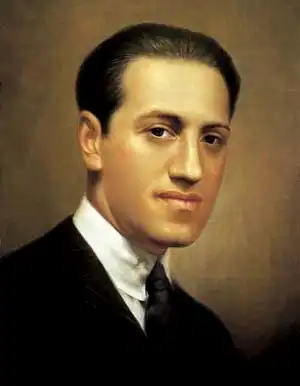
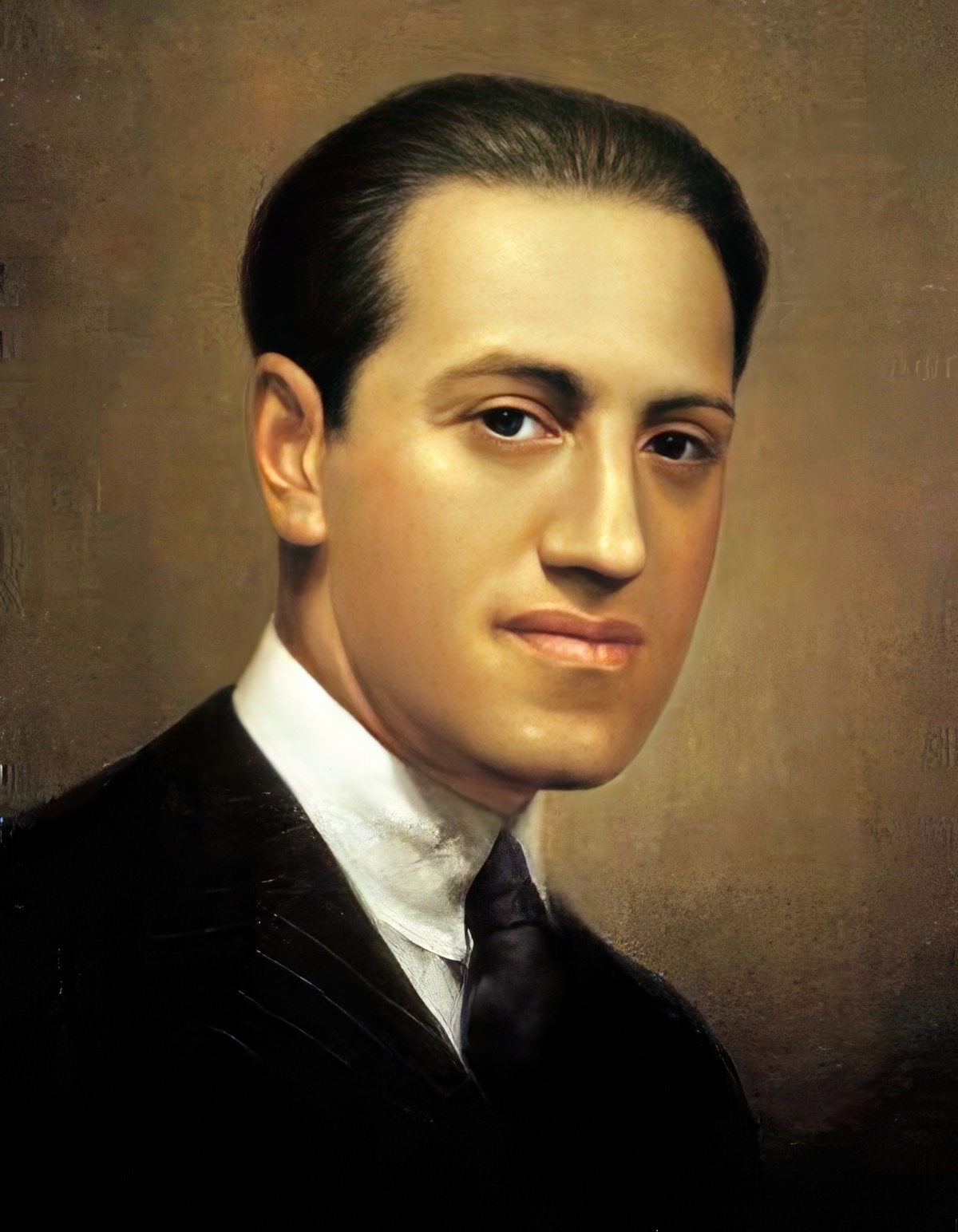
In 1928, George Gershwin, already a famous and wealthy composer from his Broadway hits and Rhapsody in Blue, traveled to Paris. His goal was to soak up the culture and to study with the most famous composition teacher in the world, Nadia Boulanger. Boulanger famously rejected him, fearing that a rigorous classical training would damage his natural, jazz-infused genius. "What could I give you that you haven't already got?" she reportedly asked. Undeterred, Gershwin threw himself into the life of the city, and the experience became the direct inspiration for his next major concert work. He described his intentions perfectly: “My purpose here is to portray the impressions of an American visitor in Paris as he strolls about the city, listens to the various street noises, and absorbs the French atmosphere. ” The result is not a formal, structured symphony, but a vibrant, episodic, and deeply personal musical diary of his own experiences.
Following the sensational success of Rhapsody in Blue (1924), Gershwin was determined to prove that the idioms of American popular music—jazz, blues, and ragtime—could form the basis of a serious, large-scale orchestral work. An American in Paris was his most ambitious step yet. He called it a "rhapsodic ballet," and its free-flowing, impressionistic structure owes a debt to French composers he admired, like Claude Debussy and Maurice Ravel. However, the musical language itself is unmistakably American. The jaunty rhythms, the bent notes of the blues, and the sheer, unadulterated swagger of the melodies were unlike anything heard in a European concert hall. It was a joyful declaration of independence, a work that celebrated its American roots while tipping its hat to its Parisian setting.
The work is built around a series of brilliant, memorable themes, the first of which represents the American tourist himself. This "walking theme," a jaunty, carefree 2/4 melody introduced by the strings and clarinet, captures the tourist's initial impressions as he strolls down the Champs-Élysées. It’s a perfect musical depiction of a confident, slightly cocky American exploring the city with wide-eyed wonder. A second, more frenetic walking theme follows, which Gershwin intended to represent the lively chaos of Parisian café culture and the constant interruption of taxi horns.
The most famous and novel feature of the score is Gershwin's use of four real Parisian taxi horns. He insisted on specific pitches (A-flat, B-flat, a higher D, and a lower A) to create the authentic soundscape of the city's traffic. This was a radical act of musical realism, incorporating the "noise" of modern life directly into the symphony orchestra. Beyond the horns, Gershwin's orchestration is a marvel of color and energy. He was one of the first composers to fully integrate saxophones into the symphonic texture, using their unique, bluesy timbre to great effect. He also employs a vast percussion section, celeste, and xylophone to add to the sense of urban bustle and glitter.
The exuberant energy of the opening section eventually gives way to the work's emotional core. The tempo slows, and a solo trumpet, muted and melancholic, introduces a rich and soulful blues theme. Gershwin described this section as the tourist succumbing to a "spell of homesickness. " It is a moment of profound nostalgia and loneliness, a rich, authentic blues progression transported into the heart of a symphony orchestra. The theme is taken up by the full orchestra, swelling to a passionate, almost tragic climax. It is the most personal and deeply felt music in the piece, a reminder that even amidst the excitement of a foreign city, the heart can still long for home.
The American’s bluesy introspection is short-lived. He is shaken from his reverie by a cheerful new theme, a fast-paced Charleston introduced by two trumpets. This section represents the tourist meeting a new friend (or perhaps the same one) and shaking off his homesickness. The blues theme is then brilliantly transformed from a slow, sad lament into a loud, joyful, and triumphant shout by the full orchestra. This marks the turning point where the tourist stops feeling like an outsider and fully embraces the joyous, frantic energy of Paris. The finale brings back the opening walking theme in a grand, celebratory style, and the work drives to an exuberant, crashing conclusion.
An American in Paris was an immediate success with audiences, though some critics were initially dismissive of its jazzy elements. Its place in popular culture, however, was cemented by the 1951 MGM musical of the same name, starring Gene Kelly and Leslie Caron. The film, which won the Academy Award for Best Picture, famously concludes with a stunning 17-minute dialogue-free ballet featuring Kelly and Caron, choreographed to Gershwin's complete tone poem. This sequence, set against backdrops inspired by French Impressionist painters, created an unforgettable visual counterpart to the music, forever linking the piece in the public imagination with the vibrant, romantic imagery of Paris.
Follow us : 


Sheet Music International - Copyright 2025 all rights reserved
| English: Sheet Music (PDF) | Free Scores | Français: Partitions (PDF) | Musique gratuite | Ελληνικά: Παρτιτούρες (PDF) | Δωρεάν μουσική |
| Deutsch: Noten (PDF) | Kostenlose Partituren | Español: Partituras (PDF) | Música impresa | Português: Partituras (PDF) | Música gratuita |
| Italiano: Spartiti (PDF) | Partiture musicali | Русский: Ноты (PDF) | Бесплатные партитуры | Norsk: Noter (PDF) | Gratis noter |
| Українська: Ноти (PDF) | Безкоштовні партитури | Polski: Nuty (PDF) | Darmowe nuty | Nederlands: Bladmuziek (PDF) | Gratis partituren |