Your Request is under process, Please wait.

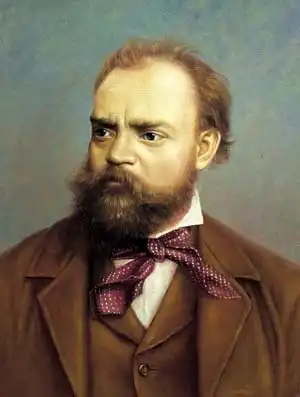
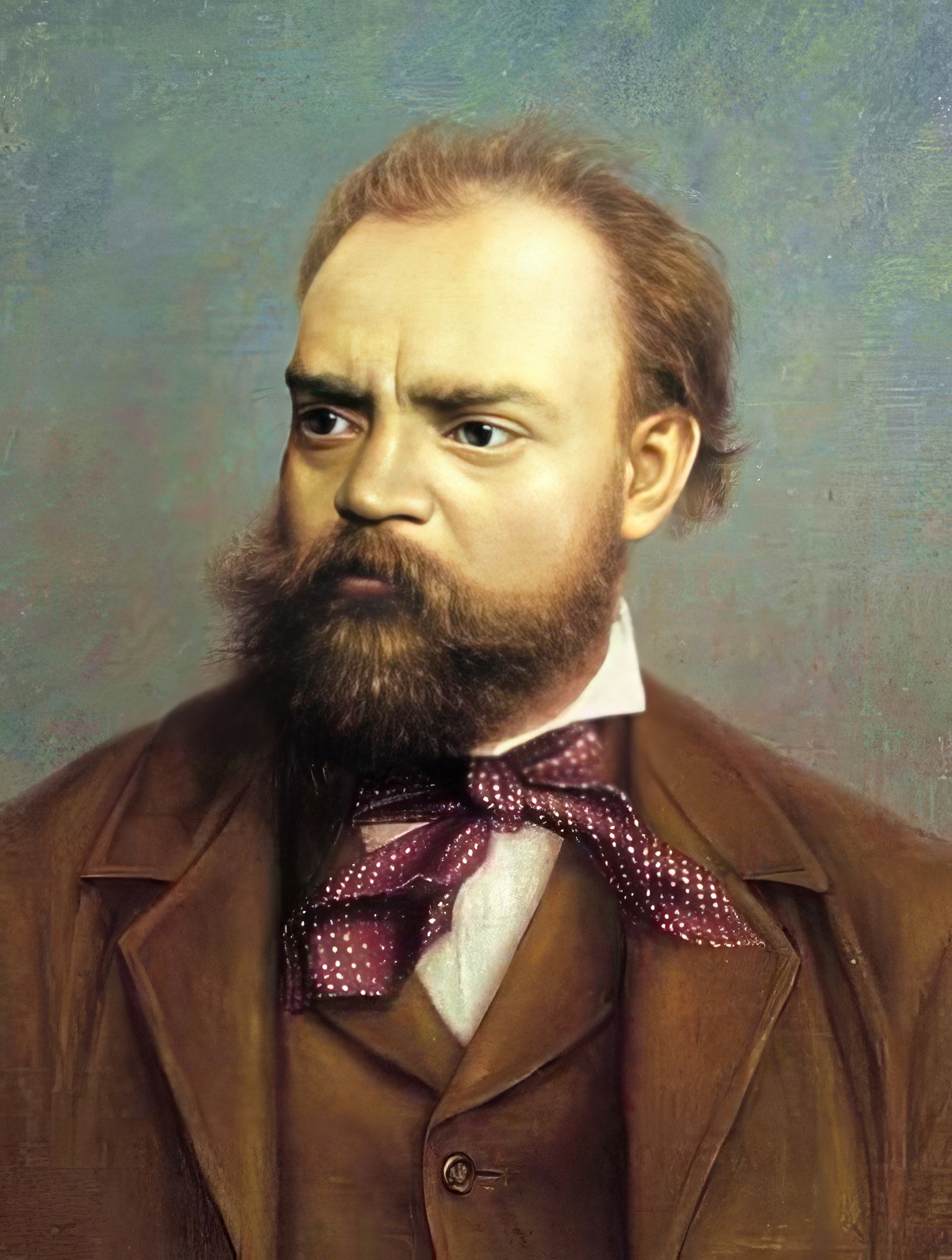
Antonín Dvořák’s Fifth Symphony is a work of pure sunshine and lyrical grace, the composer’s first truly mature masterpiece in the genre. Composed with astonishing speed during a happy and productive summer in 1875, the symphony is thoroughly pastoral in character, evoking the woods, fields, and streams of his beloved Bohemian homeland. It marks a significant departure from the dramatic, Wagnerian-influenced symphonies of his youth. Here, Dvořák’s own unique voice emerges with newfound confidence and clarity. The music is characterized by warm, flowing melodies, brilliant and transparent orchestration, and a sense of serene contentment. From the gentle clarinet theme that
...A Summer of Sunshine and Genius
The summer of 1875 was an idyllic time for Antonín Dvořák. At 34, he was a newly married man with a young son, and his professional life was finally blossoming. Thanks to the Austrian State Stipendium, which he had just won for the second year in a row on the strong recommendation of Johannes Brahms, he was enjoying a period of financial security that allowed him to step away from his grueling duties as a church organist and dedicate himself fully to composition. In a remarkable six-week burst of creativity between June and July, surrounded by the tranquility of the Czech countryside, he composed his Fifth Symphony. This happy, secure, and creatively fertile environment is baked into the very sound of the music. Unlike the stormy, ambitious, and influence-wrestling symphonies of his youth, the Fifth is a work of serene confidence and radiant optimism. It is the sound of a composer who is happy, at peace with the world, and in complete command of his craft.
The Opus Number Deception
For decades, the Fifth Symphony's place in Dvořák's output was obscured by a simple act of commercial opportunism. Though composed in 1875, the work sat unpublished for over a decade. In 1888, after Dvořák had become an international celebrity with works like his Slavonic Dances and Sixth Symphony, his opportunistic German publisher, Fritz Simrock, decided to publish the F major symphony. In order to pass it off as a brand-new work and command a higher price, Simrock gave it the misleadingly high opus number of 76, placing it chronologically near the much later Eighth Symphony. For a long time, this caused confusion among musicians and scholars, making it difficult to appreciate the symphony for what it truly is: the crucial breakthrough work of Dvořák’s early maturity and the true beginning of his symphonic greatness.
Movement I: Allegro ma non troppo
The symphony opens with one of the most gentle and inviting gestures in all of Dvořák’s music. A solo clarinet, over a soft string accompaniment, presents a warm, lyrical theme that feels like the beginning of a peaceful walk in the countryside. This pastoral mood defines the entire first movement. The music is characterized by its flowing melodies, rich woodwind colors, and a sense of unhurried grace. The sonata form is handled with a newfound conciseness and clarity, a stark contrast to the sprawling structures of his earlier symphonies. Here, Dvořák has mastered the art of symphonic development taught by masters like Beethoven and Brahms, but the musical language itself—the melodic shapes, the rhythmic inflections, the harmonic warmth—is entirely his own.
Movement II: Andante con moto
The slow movement is a beautiful and deeply expressive orchestral nocturne. Cast in A minor, it provides a melancholic contrast to the sunshine of the first movement. The main theme, a plaintive and haunting melody introduced by the strings and echoed by the woodwinds, has the character of a dumka, a type of Slavic folk ballad that often alternates between sad and happy moods. The movement builds from a quiet, introspective opening to a passionate and dramatic central climax, showcasing Dvořák's incredible gift for emotional storytelling. He then masterfully brings the music back down to the hushed, mysterious atmosphere of the beginning, ending the movement on a note of poignant tranquility.
Movement III: Scherzo: Allegro scherzando
While it functions as the symphony’s scherzo, Dvořák simply gives this movement the tempo marking Allegro scherzando, letting the music's playful character speak for itself. The movement is a masterpiece of rhythmic vitality and delicate orchestration. The main theme is a graceful, lilting melody with a distinctly Czech accent, propelled forward by an irresistible rhythmic bounce. The central trio section is calmer, offering a beautifully flowing melody that serves as a perfect counterpart to the scherzo’s high spirits. This is Dvořák in his element, writing music that is sophisticated in its construction but has the direct, infectious appeal of a folk dance.
Movement IV: Finale: Allegro molto
The finale is the most dramatic and complex movement of the symphony, a powerful statement that balances the work's pastoral nature with a thrilling sense of heroic struggle. It begins with a low, ominous motif in the cellos and basses that builds tension before erupting into the main theme, a fiery and turbulent melody in A minor. This powerful opening shows that Dvořák has not completely abandoned the dramatic flair of his earlier works. Throughout this inventive movement, Dvořák expertly guides the listener through moments of intense struggle, soaring lyricism, and triumphant celebration. In a masterstroke of cyclical form, just before the final coda, he brings back the gentle, pastoral opening theme of the very first movement. This moment of quiet reflection, looking back to the beginning of the journey, makes the symphony’s ultimate, blazing F major conclusion all the more powerful and satisfying.
Follow us : 


Sheet Music International - Copyright 2026 all rights reserved
| English: Sheet Music (PDF) | Free Scores | French: Sheet Music (PDF) | Free Scores | Greek: Sheet Music (PDF) | Free Scores |
| German: Sheet Music (PDF) | Free Scores | Spanish: Sheet Music (PDF) | Free Scores | Portuguese: Sheet Music (PDF) | Free Scores |
| Italian: Sheet Music (PDF) | Free Scores | Russian: Sheet Music (PDF) | Free Scores | Norwegian: Sheet Music (PDF) | Free Scores |
| Ukrainian: Sheet Music (PDF) | Free Scores | Polish: Sheet Music (PDF) | Free Scores | Dutch: Sheet Music (PDF) | Free Scores |