L'apprenti sorcier (The Sorcerer's Apprentice) (1897)
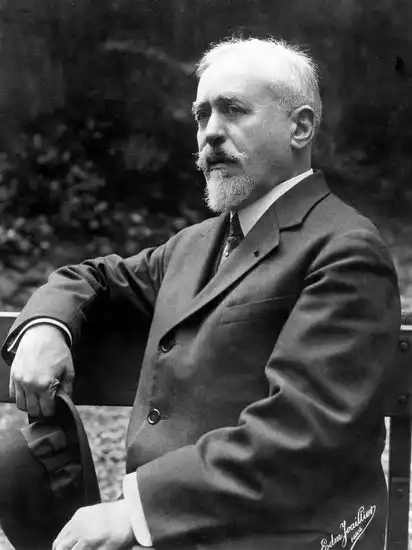
Paul Dukas (1865-1935)
Here in Phoenix, where every drop of water is precious and carefully managed, Paul Dukas’s The Sorcerer’s Apprentice resonates with a particular, cautionary humor. It is a timeless story about the dangers of wielding power without wisdom and the chaos that ensues from a seemingly clever shortcut—a lesson that feels right at home in the desert. This brilliant "symphonic scherzo" is one of the most vivid and thrilling examples of musical storytelling ever composed.
The piece is based on a 1797 ballad by the great German writer Johann Wolfgang von Goethe.
...
L'apprenti sorcier (The Sorcerer's Apprentice) (1897)
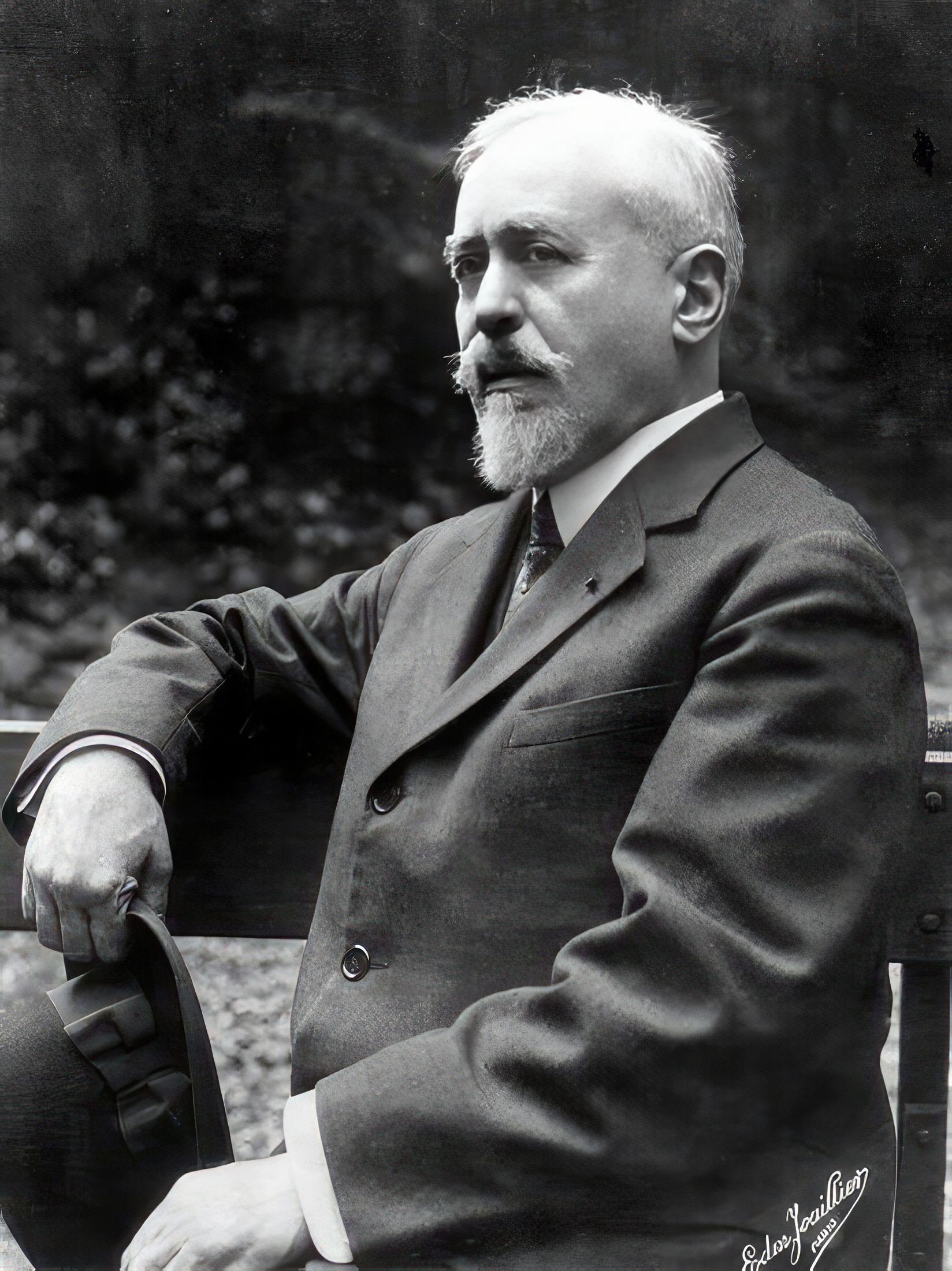
Paul Dukas (1865-1935)
Here in Phoenix, where every drop of water is precious and carefully managed, Paul Dukas’s The Sorcerer’s Apprentice resonates with a particular, cautionary humor. It is a timeless story about the dangers of wielding power without wisdom and the chaos that ensues from a seemingly clever shortcut—a lesson that feels right at home in the desert. This brilliant "symphonic scherzo" is one of the most vivid and thrilling examples of musical storytelling ever composed.
The piece is based on a 1797 ballad by the great German writer Johann Wolfgang von Goethe. Dukas’s music follows the narrative so perfectly that one can visualize the entire story from the first note to the last.
The story begins as the old sorcerer leaves his workshop, a moment captured by mysterious, quiet chords. His young apprentice, tired of his chore of hauling water by the bucketful, decides to try his hand at magic. He recalls one of his master’s spells, and with a few hesitant incantations, he brings a broomstick to life. The theme for the broom, introduced by the comical, lumbering bassoon, is one of the most recognizable in music—a stiff, jerky melody that perfectly depicts the enchanted object clumsily going about its task.
At first, the apprentice is delighted. The broom fetches the water, and the music becomes a jaunty, self-satisfied march. But his triumph is short-lived. The tub overflows, and the apprentice realizes with dawning horror that he does not know the command to make the broom stop. The music begins to accelerate, the orchestration growing thicker and more frantic as the water level rises. In a fit of panic, the apprentice grabs an axe and splits the broom in two.
There is a moment of stunned silence… which is quickly broken as both pieces of the broom stand up and resume their task, now working twice as fast. The music erupts into a chaotic, brilliant fugue, with the broom theme tumbling over itself in every section of the orchestra. The workshop is flooding, and all seems lost. Just then, the powerful, authoritative chords of the sorcerer are heard. The master has returned. With a single, mighty brass command, the spell is broken, the brooms are still, and order is restored. A few final, quiet notes suggest the apprentice may have received a well-deserved swat for his magical misadventure.
While a concert hall favorite for decades, the piece was launched into global superstardom in 1940 when Walt Disney made it the centerpiece of his animated classic, Fantasia. The unforgettable image of Mickey Mouse in a pointy blue hat, frantically conducting an army of marching brooms, is now inextricably linked with Dukas's music. For millions, this is and always will be Mickey’s theme.
It is a testament to the music’s power that it could inspire such iconic animation. It is also a small miracle that we have the piece at all. Paul Dukas was so intensely self-critical that he destroyed the vast majority of his own compositions. Thankfully, he allowed this masterpiece of wit, color, and narrative genius to survive, securing his place in musical history forever.