Piano Concerto No. 1 in E minor, Op. 11 (1830)
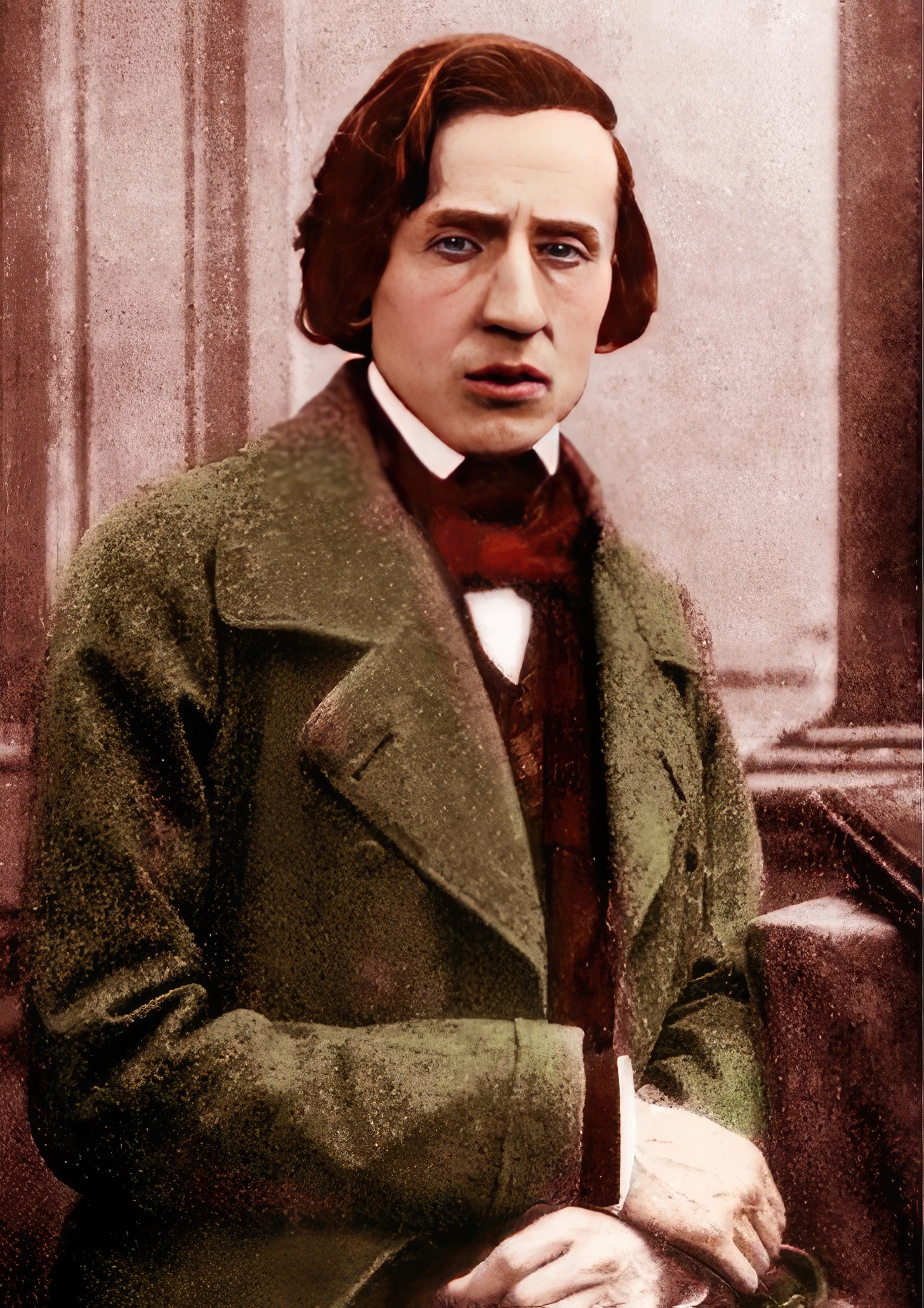
Frédéric Chopin (1810-1849)
Frédéric Chopin was, above all, the poet of the piano. While other composers saw the concerto as a dramatic dialogue or even a battle between soloist and orchestra, Chopin approached it as a love letter from the piano to the world, with the orchestra serving as a rich, supportive backdrop for the soloist’s intimate confessions and brilliant flights of fancy. Nowhere is this more apparent than in his magnificent Piano Concerto No. 1.
The first thing to know about this concerto is a classic piece of musical trivia: it is not his first. His concerto in F minor (posthumously published as No. 2) was written a year earlier. The E minor concerto was simply the first to be published, thus securing the “No. 1” title for posterity. But what is far more important is the poignant context of its creation. Chopin composed this work in Warsaw in 1830, at the age of just twenty. He was a young genius on the cusp of leaving his beloved Poland for a grand tour of Europe, full of youthful confidence and secretly nursing an intense, unrequited love for a young singing student named Konstancja Gładkowska.
He premiered the concerto on October 11, 1830, in what would be his final concert on his native soil. Just weeks later, he departed. The November Uprising against Russian rule broke out shortly thereafter, and Chopin would live the rest of his life in exile, primarily in Paris, never to see his homeland again. This concerto, therefore, is not just a showpiece of youthful virtuosity; it is a passionate, deeply personal farewell from a young patriot to his nation.
The concerto unfolds in three distinct movements:
I. Allegro maestoso: After a long and dramatic orchestral introduction that sets a heroic, almost noble, stage, the piano finally makes its grand entrance. The movement is a breathtaking display of what was then called the style brillant—sparkling, elegant, and fiendishly difficult passagework. Yet beneath the virtuosity lies a current of deep passion and yearning, a dialogue between heroic flair and tender lyricism.
II. Romanze: Larghetto: Here we find the heart of the concerto. This movement is a sublime nocturne, a love song of exquisite beauty. Chopin himself wrote that its creation should evoke the feeling of “a beautiful spring moonlit night.” It is here that his love for Italian opera shines through. The piano line is pure bel canto (“beautiful singing”), a long, ornamented, and deeply expressive melody that seems to sigh and soar with emotion. In the heat of a Phoenix summer, this movement offers a moment of cool, breathtaking respite.
III. Rondo: Vivace: The dreamy introspection of the Romanze is swept away by a finale bursting with life and energy. The piano launches into a brilliant and joyful dance based on the rhythm of a Krakowiak, a traditional Polish folk dance. It is a thrilling display of pianistic fireworks and a final, exuberant nod to the native music that was always at the core of Chopin’s identity.
This concerto is the quintessence of the young Chopin—passionate, poetic, patriotic, and utterly devoted to the expressive power of the piano. It is the sound of a genius saying goodbye, pouring all of his youthful dreams and sorrows into the instrument he would revolutionize forever.