The Horn Call and the Coin: Bruckner’s Fourth Symphony, the “Romantic”
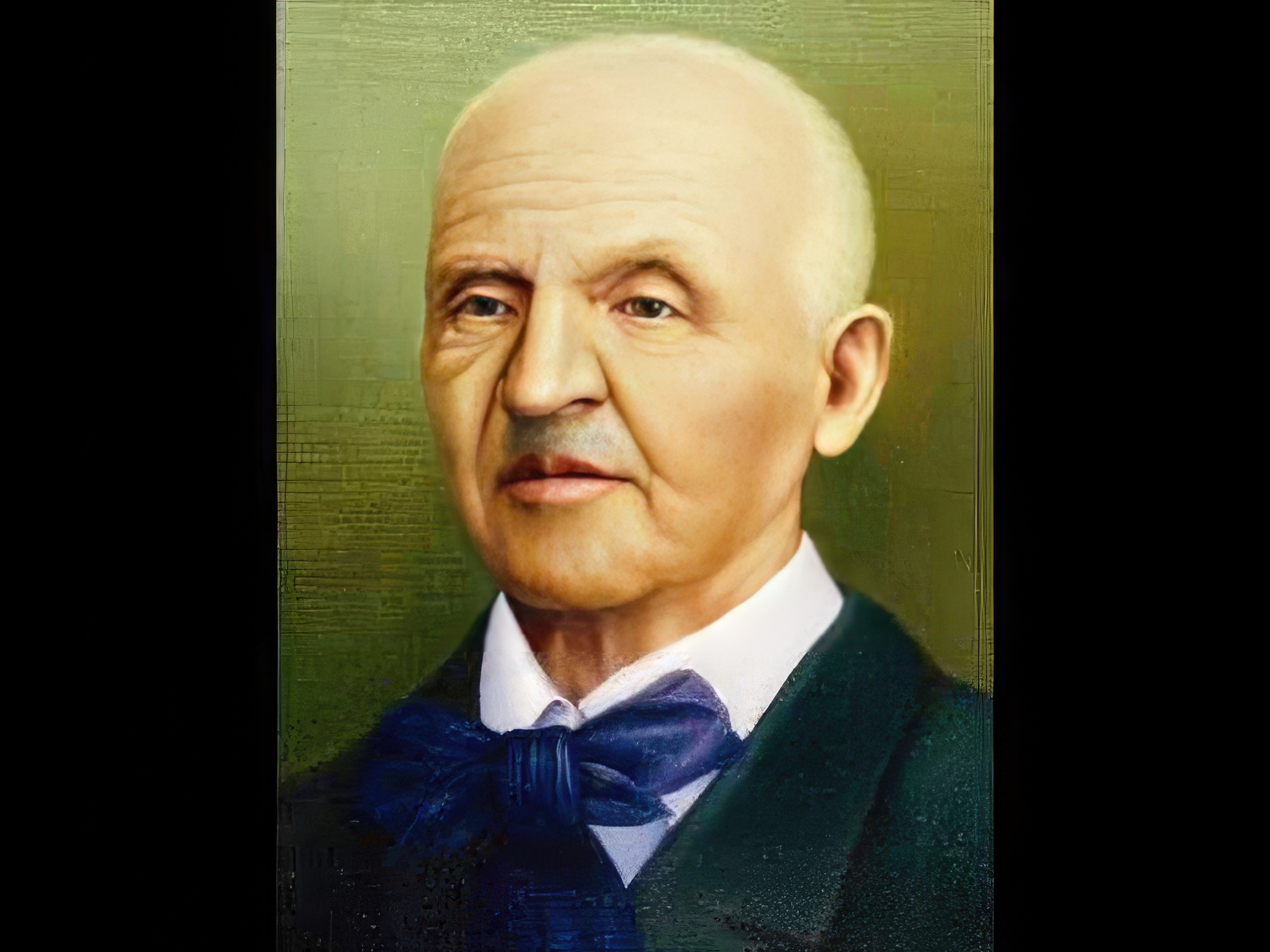
For much of his career, the Austrian composer Anton Bruckner endured a cycle of artistic rejection and crushing self-doubt. His monumental symphonies were often dismissed by the powerful Viennese critics as "monstrous," "formless," and "incomprehensible." But with his Fourth Symphony, the clouds of derision finally parted, giving Bruckner his first taste of unqualified, triumphant success. It is a work that not only solidified his reputation but also gave the world one of music’s most evocative and beloved openings: a solitary horn call echoing as if from a deep, mystical
...
The Horn Call and the Coin: Bruckner’s Fourth Symphony, the “Romantic”
For much of his career, the Austrian composer Anton Bruckner endured a cycle of artistic rejection and crushing self-doubt. His monumental symphonies were often dismissed by the powerful Viennese critics as "monstrous," "formless," and "incomprehensible." But with his Fourth Symphony, the clouds of derision finally parted, giving Bruckner his first taste of unqualified, triumphant success. It is a work that not only solidified his reputation but also gave the world one of music’s most evocative and beloved openings: a solitary horn call echoing as if from a deep, mystical forest.
This symphony is the only one to which Bruckner himself gave a title: the “Romantic.” But his concept of romanticism was not one of personal love or angst. Instead, it was a chivalric, medieval fantasy. He even provided a loose, charmingly specific program for the work. Of the famous opening, he wrote: "Medieval city—Daybreak—Morning calls sound from the city towers—the gates open—on proud horses, the knights burst out into the open, the magic of nature envelops them—forest murmurs—bird song." While one needn’t follow this script literally, it provides a perfect entry point into the symphony's fairy-tale atmosphere.
The journey of the Fourth Symphony to its final, familiar form is a quintessentially Brucknerian tale of relentless revision. The first version of 1874 was never performed in his lifetime. He then undertook a major overhaul, completely replacing the original Scherzo with the now-famous “Hunt” Scherzo, a thrilling tableau of galloping rhythms and chattering winds. He also composed an entirely new finale, nicknamed the “Volksfest” (People’s Festival), before discarding it and composing yet another finale—the one we hear today. This obsessive need to revise speaks volumes of the composer’s deep-seated insecurity, even as he was crafting a masterpiece.
The long-awaited premiere of the revised work finally took place in Vienna on February 20, 1881, conducted by the eminent Hans Richter. The performance was a resounding success, with each movement being met with thunderous applause. The “Hunt” Scherzo so electrified the audience that it had to be repeated. For Bruckner, who had weathered so many disastrous premieres, it was a moment of pure vindication.
This premiere also produced one of the most touching and revealing anecdotes about the composer. After the concert, the deeply grateful Bruckner, a man of simple, rustic origins, approached the celebrated conductor Richter. Fumbling in his pocket, he pressed a coin—a silver Thaler—into Richter’s hand and stammered, “Take this, and drink a mug of beer to my health.” Richter, amused and moved by this naïve gesture of thanks, accepted the coin and, as a sign of his deep respect, wore it on his watch chain for the rest of his life.
From the iconic horn call of the first movement to the tender, prayer-like cellos of the Andante and the thrilling fanfares of the “Hunt” Scherzo, the Fourth Symphony is Bruckner at his most accessible and pictorial. It is a work that transports the listener to a world of misty castles, noble knights, and sun-dappled forests. It is the sound of a humble genius finally, and deservedly, finding his audience, his gratitude overflowing in the form of a simple coin offered to a friend.