As the evening's soloist takes the stage, the viola cradled in their arm, we are poised to experience one of the most purely beautiful and heartfelt works ever written for the instrument: the Romanze for Viola and Orchestra, Op. 85 by Max Bruch. It is a piece that sings with the warmth and richness of the human voice, a lyrical outpouring that reminds us why Bruch, despite his own protestations, remains a beloved figure in the landscape of Romantic music.
Max Bruch, born in Cologne in 1838, carries a curious legacy. He was a composer of immense talent, a master
...
As the evening's soloist takes the stage, the viola cradled in their arm, we are poised to experience one of the most purely beautiful and heartfelt works ever written for the instrument: the Romanze for Viola and Orchestra, Op. 85 by Max Bruch. It is a piece that sings with the warmth and richness of the human voice, a lyrical outpouring that reminds us why Bruch, despite his own protestations, remains a beloved figure in the landscape of Romantic music.
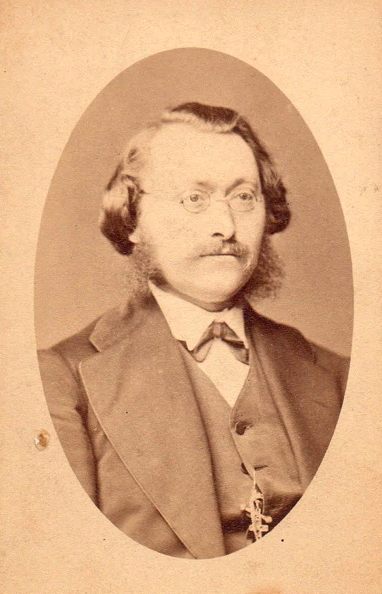
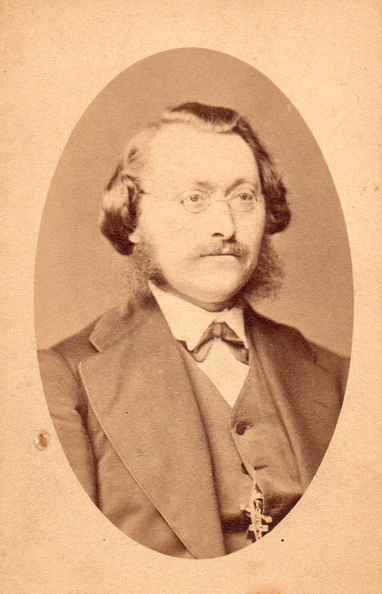
Max Bruch, born in Cologne in 1838, carries a curious legacy. He was a composer of immense talent, a master of melody and orchestration, yet his fame today rests almost entirely on a handful of works. Most famously, his first Violin Concerto in G minor has so thoroughly dominated his reputation that it often eclipses a vast and worthy catalog of symphonies, operas, and choral music. Bruch himself grew weary of its celebrity, once exasperatedly writing to a publisher, "I have a fine concerto for viola and orchestra... Why isn't that played?" He even quipped, "On my tombstone they can write, 'Here lies the composer of one violin concerto'."
This brings us to the glorious piece before us tonight. Composed in 1911, the Romanze is a late work, penned when Bruch was in his seventies. It stands as a testament to his enduring gift for crafting exquisite, long-breathed melodies. The very title, Romanze (Romance), tells us what to expect: not a piece of virtuosic fireworks or complex formal arguments, but an intimate, song-like confession. It is music of deep feeling, tinged with a gentle melancholy and a sweet, reflective nostalgia that is characteristic of Bruch's later style.
The work was written for Maurice Vieux, the principal violist of the Paris Opéra orchestra at the time. This dedication highlights a significant aspect of the viola's journey. For much of the 18th and 19th centuries, the viola was often relegated to the background, filling out harmonies and playing a supporting role to the more brilliant violins and sonorous cellos. However, by the late Romantic era, composers and performers alike began to recognize its unique voice—a soulful, mellow, and deeply expressive timbre that was perfect for conveying introspection and passion. Bruch's Romanze is a prime example of this newfound appreciation, treating the viola not as a workhorse, but as a poet.
From its opening notes, the viola emerges as the protagonist in a tender narrative. The orchestra provides a lush, velvety cushion of sound, supporting the soloist without ever overpowering it. The piece unfolds in a single, continuous movement, loosely structured in a three-part form. The main theme, introduced by the viola, is a melody of breathtaking beauty and simplicity, full of yearning and heartfelt emotion. A slightly more agitated central section offers a brief moment of emotional turbulence, a shadow that quickly passes before the serene opening material returns. This return is not one of triumph, but of peaceful resignation and quiet contentment, as the music eventually fades into a whisper, leaving the listener in a state of tranquil contemplation.
There are no grand battles or heroic struggles in this music. Instead, Bruch offers us a moment of profound and honest beauty. It’s a work that seems to look back on a life lived, acknowledging its sorrows but ultimately finding peace in its cherished memories. In a world that often rushes and shouts, the Romanze for Viola is a welcome invitation to pause, to breathe, and to listen to the quiet, heartfelt song of an instrument finally given its chance to truly sing.