Your Request is under process, Please wait.

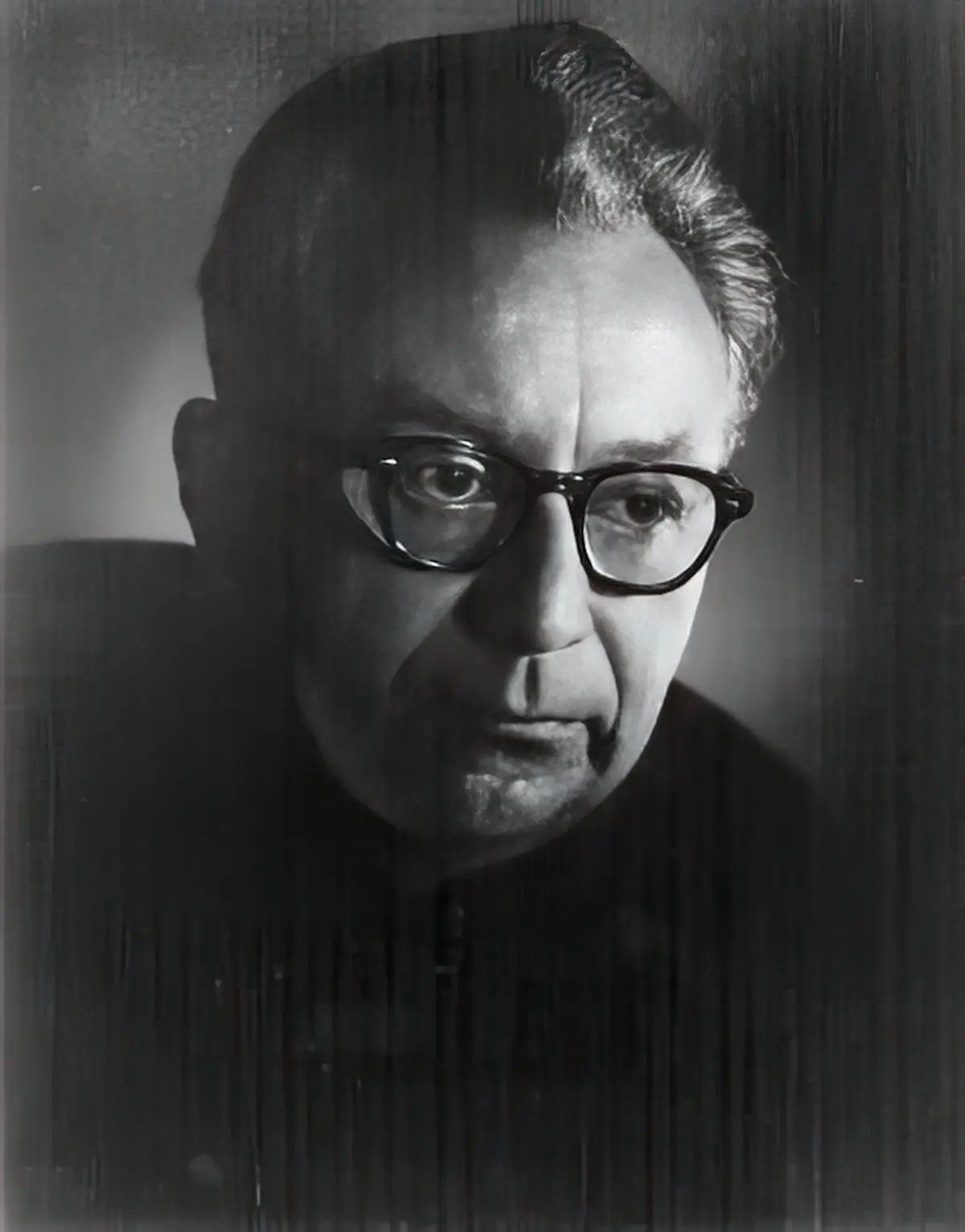
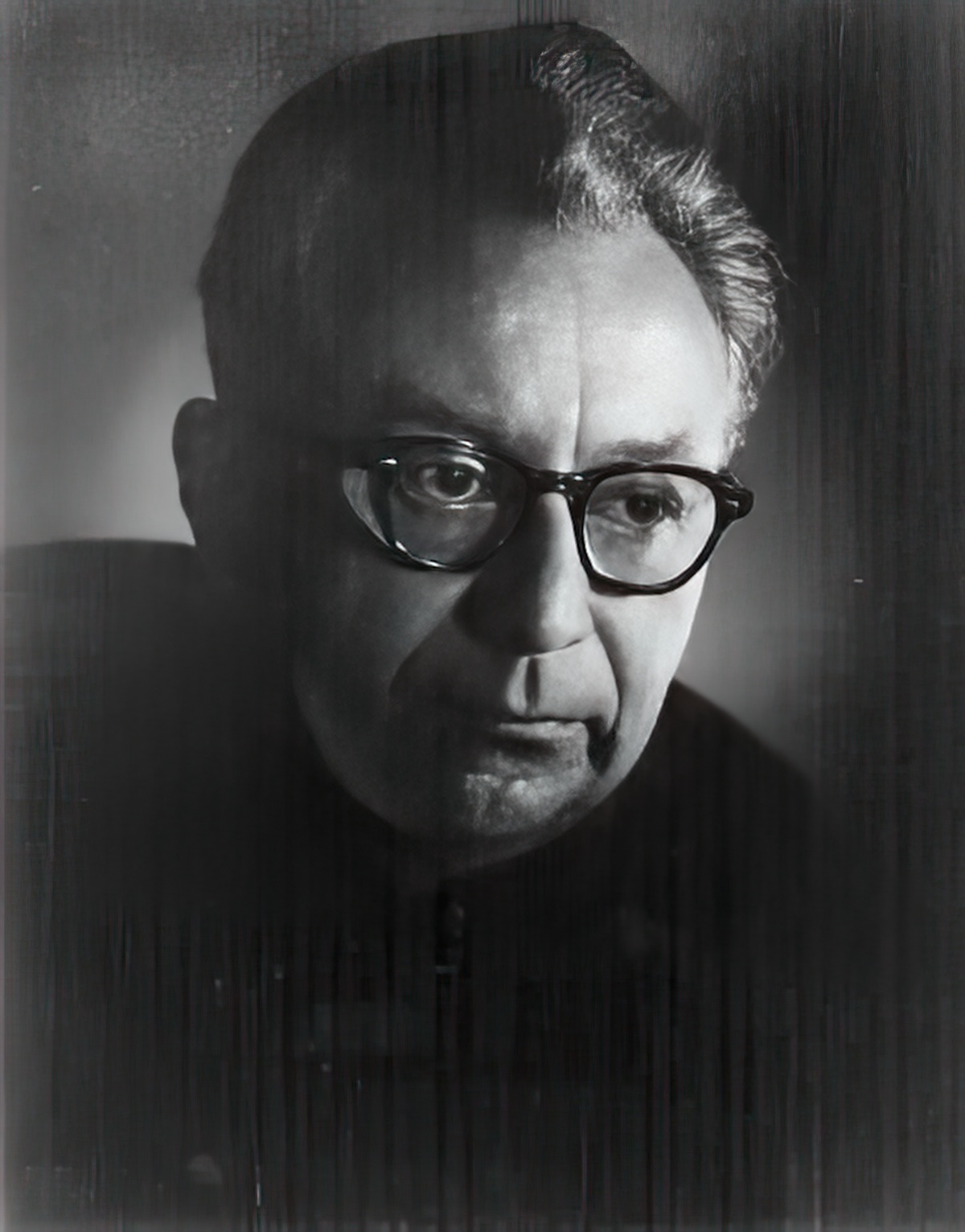
Edwin Eugene Bagley (1857-1922)
Download free sheet music from Edwin Bagley.
Experience one of the most celebrated marches in American history with sheet music by Edwin Eugene Bagley. While he composed many works, Bagley is immortalized for his masterpiece, the "National Emblem" march, a stirring and patriotic staple of concert bands worldwide. We offer high-quality, printable PDF scores of this iconic work, perfect for bands, ensembles, and solo piano transcriptions. Whether for a concert, parade, or educational study, our digital downloads provide a clear and accurate edition of America's "other national anthem." Download your free score today and perform a
...he Man Who Wrote America's Other National Anthem
In the pantheon of great American march composers, one name stands out for achieving immortality with a single, perfect composition. While John Philip Sousa was the undisputed "March King," Edwin Eugene Bagley earned his place in history as the creator of what many consider America's "other national anthem." His "National Emblem" march is a thunderous, brilliantly constructed work that has thrilled audiences for over a century. The story of its creator is a classic American tale of a journeyman musician who, in a flash of inspiration on a rattling train car, captured the very essence of national pride and created a piece of music far more famous than himself.
A Showman's Beginnings
Edwin Eugene Bagley was born in Craftsbury, Vermont, on May 29, 1857, into a musical family. His father was a respected musician, and his brother, Ezra, would also go on to a career as a celebrated cornetist. Young Edwin was a restless and adventurous spirit. At the tender age of thirteen, he ran away from home and joined the Leavitt-Gigantean Minstrels, a traveling variety show. For the next several years, he lived the life of a touring entertainer, honing his skills not just as a musician but as a performer. He became a versatile multi-instrumentalist, playing brass instruments and even developing a "one-man band" novelty act to entertain crowds. This rugged, practical education in popular entertainment, far from the formal conservatory, would shape his direct and crowd-pleasing musical style.
A Journeyman Musician
After his time on the vaudeville and minstrel circuits, Bagley settled into a career as a professional brass player, primarily on the trombone and cornet. His talent was considerable, and he performed with some of the most prominent ensembles of the late 19th century. He toured with the Swiss Bell Ringers, played euphonium with the Germania Band of Boston, and, most famously, spent nine years as a trombonist in the orchestra of the Bostonians, a premier light opera company. Throughout these years, he was a working musician, playing in theaters, parades, and concert halls. He was not an academic composer but a performer who understood what moved an audience from the perspective of the stage. This intimate knowledge of instrumentation and popular taste proved to be the perfect foundation for his future masterpiece.
The Accidental Masterpiece: "National Emblem"
By the early 1900s, Bagley was the director of the city band in Keene, New Hampshire. The famous story of the composition of "National Emblem" occurred in 1902 during a train tour with his band. According to legend, Bagley began sketching the march on the back of an envelope. Frustrated with his initial efforts, he supposedly crumpled up the manuscript and tossed it aside. Fortunately, his eagle-eyed band members, who knew his talent, rescued the discarded piece from the floor. They played through the melody, immediately recognized its potential, and urged him to complete it.
The march was finalized and eventually published in 1906. Its success was immediate and overwhelming. "National Emblem" is a work of musical genius, perfectly structured for maximum patriotic impact. The introduction is bold and commanding, but the true masterstroke lies in the trio section. Here, Bagley brilliantly incorporates the opening phrase of "The Star-Spangled Banner" into the melody. While Francis Scott Key's song was a well-known patriotic air, it had not yet been declared the official national anthem of the United States (that would not happen until 1931). By quoting this beloved tune, Bagley infused his march with a deep sense of national identity and pride that resonated powerfully with the American public. The result is a piece that is simultaneously original and deeply familiar, a quality that has contributed to its enduring popularity.
Life Beyond the March
"National Emblem" became such a monumental hit that it overshadowed everything else Bagley ever wrote. He was a proficient composer, and he published other marches, waltzes, and overtures, with titles like "The Ambassador," "America's Favorite," and "Knight of Honor." While these were solid, well-crafted pieces for their time, none possessed the lightning-in-a-bottle brilliance of "National Emblem." He continued his career primarily as a band director and teacher, leading various municipal and professional bands throughout New England. He was a respected figure in the town band movement, a cornerstone of American cultural life in the early 20th century. He worked in Bellows Falls, Vermont, and later returned to Keene, where he was a beloved community music leader until his death.
Legacy
Edwin E. Bagley died in Keene, New Hampshire, on January 29, 1922. He was buried in Holy Cross Cemetery, but his true monument is his music. His legacy is almost entirely defined by one piece, but what a piece it is. "National Emblem" is considered by many musicians and historians to be one of the three greatest American marches ever written, alongside John Philip Sousa's "The Stars and Stripes Forever" and "The Washington Post." It is a staple in the repertoire of military bands, concert bands, and community ensembles across the nation. Bagley’s story is a powerful reminder that a single, perfect work of art, born of experience and a moment of pure inspiration, can grant a composer a permanent and cherished place in a nation's history.
Bierley, Paul E. The Heritage Encyclopedia of Band Music: Composers and Their Music. Integrity Press, 1991.
Bridges, Glenn. Pioneers in Brass. Sherwood Publications, 1965.
Camus, Raoul F. "Bagley, E. E." Grove Music Online. Oxford University Press, 2001.
Smith, Norman E. March Music Notes. Program Note Press, 1986.
Follow us : 


Sheet Music International - Copyright 2026 all rights reserved
| English: Sheet Music (PDF) | Free Scores | French: Sheet Music (PDF) | Free Scores | Greek: Sheet Music (PDF) | Free Scores |
| German: Sheet Music (PDF) | Free Scores | Spanish: Sheet Music (PDF) | Free Scores | Portuguese: Sheet Music (PDF) | Free Scores |
| Italian: Sheet Music (PDF) | Free Scores | Russian: Sheet Music (PDF) | Free Scores | Norwegian: Sheet Music (PDF) | Free Scores |
| Ukrainian: Sheet Music (PDF) | Free Scores | Polish: Sheet Music (PDF) | Free Scores | Dutch: Sheet Music (PDF) | Free Scores |