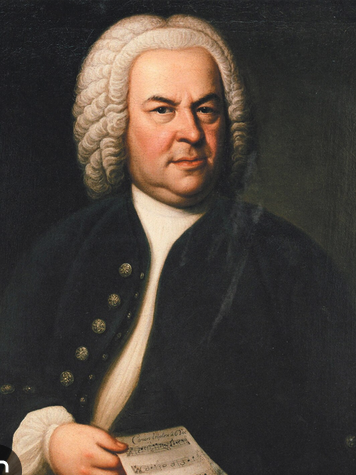
The Lyrical Heart: J.S. Bach’s English Suite No. 4
The six works that comprise J.S. Bach’s “English” Suites each possess a distinct and powerful personality. While the Second and Third Suites explore the dramatic intensity of the minor mode, the Fourth Suite in F major, BWV 809, shifts the mood into a world of warmth, lyricism, and pastoral grace. The nickname “English” remains a historical quirk—a title likely originating from a copyist’s manuscript rather than any direct connection to England—but the music itself is a brilliant example of Bach’s genius, merging the formal elegance of the French dance suite with a sunny, Italianate melodicism.
Composed with the others around 1715, the Fourth Suite immediately sets itself apart with its remarkable Prelude. Unlike the fiery, concerto-like openings of the preceding two suites, this prelude is a sprawling, almost improvisatory movement. It begins not with a bold theme, but with a gentle, rolling wave of arpeggiated chords, creating a sense of spaciousness and unhurried invention. The music flows beautifully from one idea to the next, a seamless and elegant monologue that feels less like a structured concerto and more like Bach is simply thinking aloud at the keyboard, his ideas unfurling with effortless grace. A brilliant fugal section provides a burst of contrapuntal energy in the middle, before the music returns to its initial, flowing character.
Following this expansive opening is the Allemande, a German dance of moderate tempo. Bathed in the warm key of F major, the music is exceptionally lyrical and richly textured. Bach weaves intricate, song-like lines together into a complex polyphonic fabric, creating a mood of serene and sophisticated beauty. The energy rises in the French Courante, a “running” dance of remarkable lightness and brilliance. The rhythm is a playful mix of duple and triple meters, and the two hands engage in a sparkling, virtuosic chase up and down the keyboard.
The suite’s emotional center is, as always, the Sarabande. This slow, stately dance in triple time is a moment of profound, poised elegance. While some of Bach’s sarabandes are marked by deep pathos, this one is more serene and noble, a beautiful cantilena (singing melody) that unfolds with quiet dignity and grace.
In place of the rustic bourrées of the previous suites, Bach here inserts a pair of graceful Menuets. The first is a quintessential example of the courtly dance, full of poised gestures and refined charm. The second Menuet provides a darker, more intimate contrast, shifting to the parallel minor key (D minor) and featuring a more complex, contrapuntal texture. The return of the cheerful first Menuet provides a perfectly balanced conclusion to this charming interlude.
The suite culminates in a magnificent Gigue. A lively dance of English or Irish origin, Bach transforms it into a vehicle for his supreme contrapuntal skill. The gigue is a brilliant, three-voiced fugue whose subject is an energetic, unforgettable theme built on cascading scales. The mood is one of unbridled joy and intellectual brilliance, bringing this sunny and lyrical suite to an exhilarating close. From its uniquely flowing prelude to its joyful finale, the Fourth English Suite is a testament to Bach’s ability to infuse formal structures with warmth, personality, and boundless creativity.