Your Request is under process, Please wait.

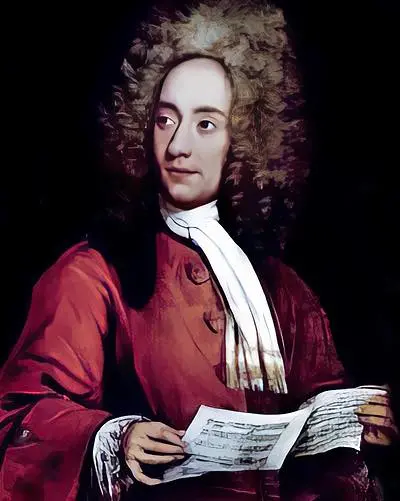
Few pieces of classical music are as instantly recognizable or emotionally potent as the Adagio in G minor, famously attributed to the Venetian Baroque composer Tomaso Albinoni. With its solemn, walking bass line and a soaring, sorrowful violin melody, the work has become a cultural touchstone, featured in countless films, television shows, and memorial events. Its profound sense of tragedy and beauty seems to speak directly to the soul.
However, the story behind this beloved piece is one of the most fascinating and debated in music history. The
...Tomaso Albinoni was a respected contemporary of Antonio Vivaldi in Venice. He was a prolific composer, particularly known for his instrumental works and operas. Johann Sebastian Bach himself held Albinoni's work in high regard, even using his themes as the basis for several fugues.
The modern version of the Adagio was published in 1958 by Remo Giazotto, an Italian musicologist and composer who was working on a catalog of Albinoni's music. Giazotto claimed to have discovered a small manuscript fragment—containing just a bass line and a few bars of melody—in the ruins of the Saxon State Library in Dresden, which had been destroyed by bombing during World War II. From this supposed fragment, Giazotto "reconstructed" the complete work for strings and organ.
For decades, the piece was accepted as Albinoni's, rescued from obscurity by Giazotto. Yet, the original fragment has never been produced for scholarly review, and a growing consensus believes that the work is almost entirely Giazotto's own composition. The lush, romantic harmonies and cinematic sweep of the piece are more characteristic of mid-20th-century sensibilities than the restrained elegance of the Baroque era.
Regardless of its true authorship, the Adagio in G minor is an undeniable masterpiece of emotion. It unfolds with a powerful, meditative gravity, building from a quiet lament to a passionate climax before receding back into sorrowful contemplation. Whether it is an echo of a lost work by Albinoni or a brilliant homage by Giazotto, its power to move listeners remains undiminished, securing its place as one of the most cherished pieces in the classical repertoire.

Follow us : 


Sheet Music International - Copyright 2026 all rights reserved
| English: Sheet Music (PDF) | Free Scores | French: Sheet Music (PDF) | Free Scores | Greek: Sheet Music (PDF) | Free Scores |
| German: Sheet Music (PDF) | Free Scores | Spanish: Sheet Music (PDF) | Free Scores | Portuguese: Sheet Music (PDF) | Free Scores |
| Italian: Sheet Music (PDF) | Free Scores | Russian: Sheet Music (PDF) | Free Scores | Norwegian: Sheet Music (PDF) | Free Scores |
| Ukrainian: Sheet Music (PDF) | Free Scores | Polish: Sheet Music (PDF) | Free Scores | Dutch: Sheet Music (PDF) | Free Scores |