Funeral March of a Marionette (1872)
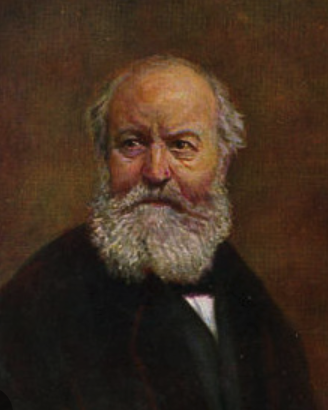
Charles Gounod (1818-1893)
There’s a very good chance you know this piece, even if you’ve never seen its title before. For millions, this music will forever conjure a very specific image: the portly, black-suited silhouette of a man stepping onto a screen, followed by a droll, dryly delivered “Good eev-en-ing.” The unforgettable theme music for the television series Alfred Hitchcock Presents, this quirky little march has become synonymous with the Master of Suspense and his unique brand of sophisticated, macabre humor.
What may come as a surprise, however, is that its composer was
...
Funeral March of a Marionette (1872)
Charles Gounod (1818-1893)
There’s a very good chance you know this piece, even if you’ve never seen its title before. For millions, this music will forever conjure a very specific image: the portly, black-suited silhouette of a man stepping onto a screen, followed by a droll, dryly delivered “Good eev-en-ing.” The unforgettable theme music for the television series Alfred Hitchcock Presents, this quirky little march has become synonymous with the Master of Suspense and his unique brand of sophisticated, macabre humor.
What may come as a surprise, however, is that its composer was not a mid-century television musician, but one of the giants of 19th-century French grand opera. Charles Gounod is the celebrated master behind the sweeping romance of Roméo et Juliette and the epic drama of Faust. This piece, a witty and charming trifle, shows a completely different side of the composer—his clever sense of humor and his gift for miniature storytelling.
“Funeral March of a Marionette” is exactly what its title promises. It does not mourn a king or a hero, but a puppet. Gounod even provided a short, comical program for the piece. The story goes that a marionette has met his tragic end in a duel. The march begins with the solemn funeral procession, but the music immediately betrays the joke. The plodding bassoons and staccato woodwinds give the theme a stiff, wooden quality, as if the puppet mourners are jerking along on their strings. The mood is mock-serious, a perfect parody of a true funeral march.
The central and most amusing part of the story comes in the middle section. Here, the funeral procession comes to a halt. Why? Because the marionettes, overcome with grief (or perhaps just thirsty), have decided to stop at a tavern for refreshments. The music shifts from its somber march to a lighter, more conversational texture. You can almost hear the puppets chattering amongst themselves, perhaps sharing fond memories of their fallen comrade, or more likely, gossiping over a quick drink before having to resume their mournful duties.
Once the break is over, the main funeral theme returns. The procession dutifully resumes its march to the cemetery, and the piece ends with a few quiet, plucked notes, as the little wooden figure is finally laid to rest.
Originally written for solo piano in 1872 as part of a never-completed collection called Suite Burlesque, Gounod later orchestrated it, giving it the rich, dark-hued colors we hear today. Its eventual pairing with Alfred Hitchcock in 1955 was a stroke of genius. The music perfectly mirrored Hitchcock’s own persona: formal and elegant on the surface, but with a clever, dark twinkle in its eye. It’s the perfect musical accompaniment for a story that is about to be both spooky and fun.
Tonight, as you listen, enjoy this wonderful piece of musical comedy—a work that lived one life as a clever 19th-century parody and a second as the iconic theme song for our favorite master of suspense.